Alles Wichtige, was Sie über schiefe Zähne wissen sollten

Schiefe Zähne sind ein häufiges zahnmedizinisches Problem, das sowohl das Erscheinungsbild als auch die Mundgesundheit beeinträchtigen kann. Viele Menschen fragen sich, wie schiefe Zähne korrigiert werden können, ob eine Zahnspange notwendig ist oder ob es alternative Behandlungsmöglichkeiten gibt. Dieser Artikel fasst die wichtigsten Informationen zusammen, die Sie über schiefe Zähne wissen sollten, einschließlich der Ursachen, Diagnostik und geeigneten Behandlungsmethoden, damit Sie die Situation besser verstehen und die passendste Lösung wählen können.
Was sind schiefe Zähne?
Schiefe Zähne bezeichnen einen Zustand, bei dem die Zähne verdreht, gekippt oder aus ihrer normalen Position rotiert sind. Dies tritt häufig zusammen mit Zahnengstand auf, meist weil nicht genug Platz im Kiefer vorhanden ist, damit die Zähne korrekt durchbrechen können. Infolgedessen verdrehen oder rotieren die Zähne, um in den begrenzten Raum zu passen, was dazu führt, dass sie sich statt in einer glatten, natürlichen Zahnreihe falsch ausrichten. Neben dem Aussehen können schiefe Zähne auch langfristig negative Auswirkungen auf die Mundgesundheit haben.
Was gilt als schiefe Zähne?
Schiefe Zähne können in vielen Formen auftreten, von einzelnen leicht gekippten oder rotierten Zähnen bis zu mehreren stark fehlgestellten Zähnen. Wenn Sie eines der folgenden Merkmale bemerken, könnten dies schiefe Zähne sein:
- Zähne, die verdreht, rotiert oder aus ihrer normalen Ausrichtung gekippt sind
- Zähne, die sich überlappen oder zusammengepresst sind
- Zähne, die nach vorne hervorstehen oder zu weit nach hinten liegen
- Ungleichmäßige Zahnzwischenräume
- Ein inkorrekter Biss zwischen Ober- und Unterkiefer
Was verursacht schiefe Zähne?
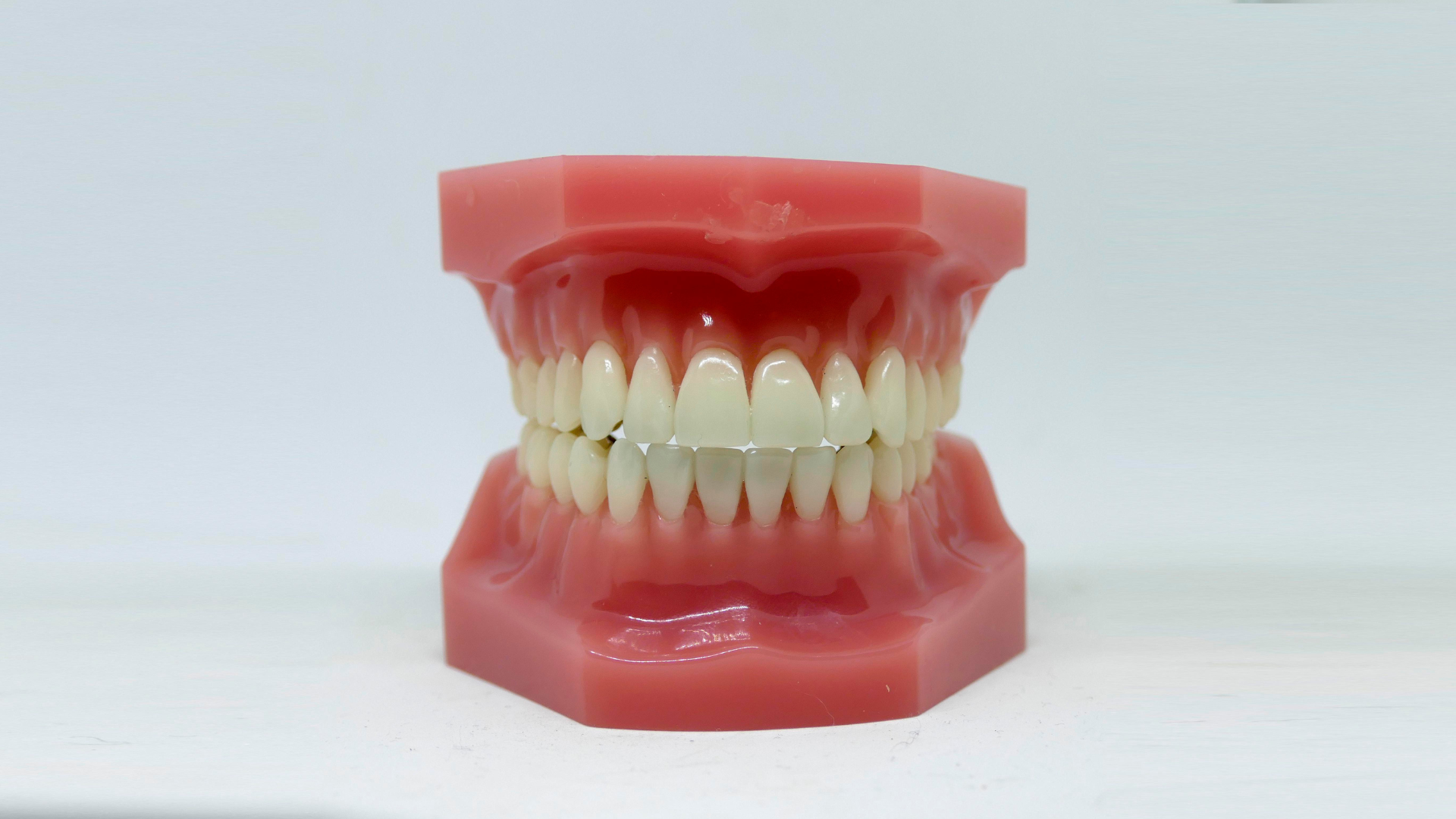
Schiefe Zähne können durch viele Faktoren verursacht werden, darunter sowohl Genetik als auch Umwelteinflüsse. Das Verständnis der Ursache kann helfen, den geeignetsten Behandlungsplan zu bestimmen. Zu den Hauptursachen gehören:
Genetik
Die Genetik spielt eine wichtige Rolle bei der Entstehung von schiefen Zähnen. Die Gesichtsstruktur, Kiefergröße und Zahngröße können vererbt werden. Wenn Sie einen kleinen Kiefer, aber relativ große Zähne haben, gibt es möglicherweise nicht genug Platz, damit sich alle Zähne richtig ausrichten. Dadurch können sich die Zähne verdrehen oder kippen, um in den beengten Raum zu passen. Auch ein Ungleichgewicht zwischen Ober- und Unterkiefer kann zu schiefen Zähnen beitragen.
Zahntrauma
Unfälle oder Verletzungen, die direkt auf die Zähne oder den Kiefer einwirken, können die Struktur des Mundes verändern und die Zahnstellung beeinflussen. Ein Aufprall, der einen Zahn aus seiner Position verschiebt, oder eine Verletzung, die den Kieferknochen verformt, können dazu führen, dass neu durchbrechende oder bleibende Zähne abnorm wachsen. Dies führt eventuell zu schiefen Zähnen.
Übermäßiger Druck auf Zähne und Zahnfleisch
Bestimmte Gewohnheiten können kontinuierlichen Druck auf Zähne und Zahnfleisch ausüben, wodurch sich die Zähne nach und nach aus ihrer normalen Position bewegen. Bei Kindern zählen hierzu langfristiges Daumenlutschen, längere Verwendung eines Schnullers nach dem 4. Lebensjahr oder Lippensaugen. Bei Erwachsenen können Angewohnheiten wie Zungendrücken, Nägelkauen oder Zähneknirschen ebenfalls zu ungleichmäßigem Druck führen und eine allmähliche Verschiebung und Schiefstellung der Zähne verursachen.
Früher Verlust von Milchzähnen
Der vorzeitige Verlust von Milchzähnen, bevor sie auf natürliche Weise ausfallen, kann dazu führen, dass die Nachbarzähne in die Lücke wandern und so den Platz für die später durchbrechenden bleibenden Zähne verringern. Wenn die bleibenden Zähne durchbrechen wollen, steht ihnen dann eventuell nicht genug Platz zur Verfügung und sie wachsen schief, verdrehen sich oder überlappen sich mit anderen Zähnen. Bleiben Milchzähne hingegen zu lange bestehen, können sie ebenfalls verursachen, dass die bleibenden Zähne an einer abnormalen Stelle durchbrechen.
Komplikationen schiefer Zähne
Schiefe Zähne sind nicht nur ein kosmetisches Problem, sondern können die Mundgesundheit und Lebensqualität auf vielfältige Weise beeinträchtigen.
- Schwierige Reinigung – Fehlstehende Zähne erschweren das Zähneputzen und die Verwendung von Zahnseide, wodurch sich Plaque und Zahnstein ansammeln können.
- Höheres Risiko für Zahnkaries – Wenn die Zähne nicht gründlich gereinigt werden können, entstehen Karies besonders in schwer erreichbaren Bereichen.
- Zahnfleischerkrankungen – Die Ansammlung von Bakterien um die Zähne und das Zahnfleisch kann zu einer Zahnfleischentzündung führen und zu einer Parodontalerkrankung fortschreiten.
- Abnormaler Zahnabrieb – Ein ungleichmäßiger Biss kann dazu führen, dass bestimmte Bereiche der Zähne mehr als gewöhnlich abgenutzt werden.
- Kiefergelenksprobleme – Eine schlechte Bissausrichtung kann zu Schmerzen im Kiefergelenk, Kopfschmerzen oder Gesichtsschmerzen führen.
- Mundgeruch – Eingeschlossene Bakterien zwischen eng stehenden Zähnen können unangenehmen Atem verursachen.
- Geringeres Selbstvertrauen – Schiefe Zähne können dazu führen, dass sich manche Menschen beim Lächeln oder Sprechen in der Öffentlichkeit unwohl fühlen, was soziale Interaktionen und das Selbstbild beeinflussen kann.
Behandlungsmöglichkeiten für schiefe Zähne
Es gibt verschiedene Möglichkeiten, schiefe Zähne zu behandeln, abhängig vom Schweregrad des Problems, dem Alter des Patienten und der zugrundeliegenden Ursache. Ein Zahnarzt wird diese Faktoren bewerten, um die am besten geeignete Behandlung zu empfehlen.
1. Kieferorthopädische Behandlung (Zahnspange)
Zahnspangen sind die effektivste und am häufigsten verwendete Methode zur Korrektur von schiefen Zähnen. Sie wirken durch kontinuierlichen Druck, um die Zähne allmählich in die richtige Position zu bewegen. Heutzutage können Patienten zwischen traditionellen Metallzahnspangen und transparenten Alignern wählen, je nach Bedarf und Eignung. Die kieferorthopädische Behandlung dauert in der Regel etwa 1-3 Jahre, abhängig von der Komplexität des Falls, führt aber zu langanhaltenden Ergebnissen und verbessert sowohl das Aussehen als auch die Bissstellung.
2. Veneers
Veneers sind eine Option zur Behandlung leichter schiefer Zähne und eignen sich für Menschen, die nur einige Frontzähne optisch verbessern möchten. Diese Methode verwendet spezielle Materialien, wie zum Beispiel Keramik, die auf die Vorderfläche der Zähne geklebt werden, um ihre Form und ihr Aussehen zu verbessern. Neben der Korrektur leichter Schiefstellungen können Veneers zugleich Farbton und Gesamtform der Zähne optimieren. Der Hauptvorteil ist, dass die Behandlung viel weniger Zeit als eine Zahnspange benötigt. Allerdings sind Veneers bei stark schiefen Zähnen oder bei zusätzlicher Bissproblematik nicht geeignet.
3. Kieferoperation
Wenn schiefe Zähne durch gravierende strukturelle Kieferanomalien verursacht werden, kann die Behandlung eine Kieferoperation in Kombination mit einer kieferorthopädischen Therapie umfassen. Die Operation hilft, die Kieferstruktur zu korrigieren und das Gleichgewicht zu verbessern, was die kieferorthopädische Behandlung effektiver macht und zu besseren Gesamtergebnissen führt. Diese Option ist für Erwachsene geeignet, deren Knochenwachstum abgeschlossen ist und die sowohl schiefe Zähne als auch kieferbezogene Anomalien mit Auswirkungen auf den Biss und die Kieferfunktion haben.
Quelle:
**Übersetzt und zusammengestellt vom ArokaGO Content Team
XDC DENTAL CLINIC
Diesen Artikel teilen
Weitere Artikel
Entdecken Sie weitere Einblicke in Gesundheitsversorgung und Medizintourismus.

Experiencing back pain from sitting at a desk? Is it office syndrome or a spinal problem?
What causes back pain from sitting and working? Differentiating office syndrome symptoms from spinal problems with assessment guidelines by orthopedic doctors at Phyathai Sriracha Hospital

Was sollten Herzpatienten essen? Eine Liste mit Lebensmitteln, die man essen sollte, und Lebensmitteln, die man vermeiden sollte.
Herzerkrankungen… Warum auf die Ernährung achten? Patienten mit Herzerkrankungen, insbesondere mit ischämischer Herzerkrankung oder erhöhten Blutfetten, müssen ihre Ernährung strikt kontrollieren, da Nahrung die Blutfette direkt beeinflusst, den Blutdruck beeinflusst und die Verengung der Koronararterien beeinflusst.

Was sind die Symptome einer frühen Kniearthrose? Achten Sie auf Knieschmerzen, Steifheit und knackende Geräusche im Knie.
Viele Menschen haben Knieschmerzen beim Hinsetzen oder Aufstehen, bei langem Gehen oder beim Auf- und Absteigen von Treppen. Einige spüren nach dem Aufwachen eine Steifheit im Knie, hören Geräusche bei Bewegungen des Knies oder beginnen, ein Ziehen zu verspüren, das ein vollständiges Beugen oder Strecken verhindert. Sie denken möglicherweise, dass dies nur Zeichen des Alterns sind, doch tatsächlich können diese Beschwerden frühe Anzeichen einer leichten Kniearthrose sein und sollten von einer orthopädischen Fachkraft abgeklärt werden, um die tatsächliche Ursache herauszufinden.