ဘယ်လိုကြည့်မလဲ မျိုးကြေးကပ်ခိုင်လှုပ်ရှားထားသည့် အနားလေးကို ပြုပြင်မလဲ

ပခိုက်တစ်ရွေ့သားတစ်ခု ပြတ်ရွှေ့ခြင်းသည် အသက်ကြီးသူများနှင့် အားကစားသမားများအတွက် ပုံမှန်တက်ကြွသော ပြဿနာတစ်ခုဖြစ်ပြီး နေ့စဉ်ဘဝလုပ်ဆောင်ချက်များအပေါ် ဆိုးရွားစွာ သက်ရောက်စေပါသည်။ ဤအခြေအနေနှင့်ပတ်သက်၍ နေ့စဉ်ဘဝအတွက် အခက်အခဲများခန့်မရနိုင်ပါ။ ထို့ကြောင့် ပခိုက်နာခြင်း၊ ဉပမာ ယာယီကုတင်တွင်အိပ်ရာယူချိန်တွင်နာခြင်း သို့မဟုတ် နာခြင်းကာလအတော်ကြာမှန်သမျှ ဖြစ်ပေါ်လျှင် ရောဂါရှာဖွေရန်နှင့် အချိန်မီကုသရေးအတွက် ဆရာဝန်လှုံ့ဆော်အပ်ပါသည်။ ဤဆောင်းပါးသည်ပခိုက်တစ်ရွေ့သားပြတ်ခြင်း၏ 原因များ၊ ရောဂါလက္ခဏာများနှင့် အမဲအရာကုသမှုများကို ဆွေးနွေးပေးသွားမည်ဖြစ်ပြီး မိမိတို့ပြန်လည်အားကောင်းစွာ အသက်မူရန်အတွက် အထောက်အကူဖြစ်စေရန် ရည်ရွယ်ပါသည်။
ပခိုက်တစ်ရွေ့သား ပြတ်ရွှေ့ခြင်း၏ 原因 များ
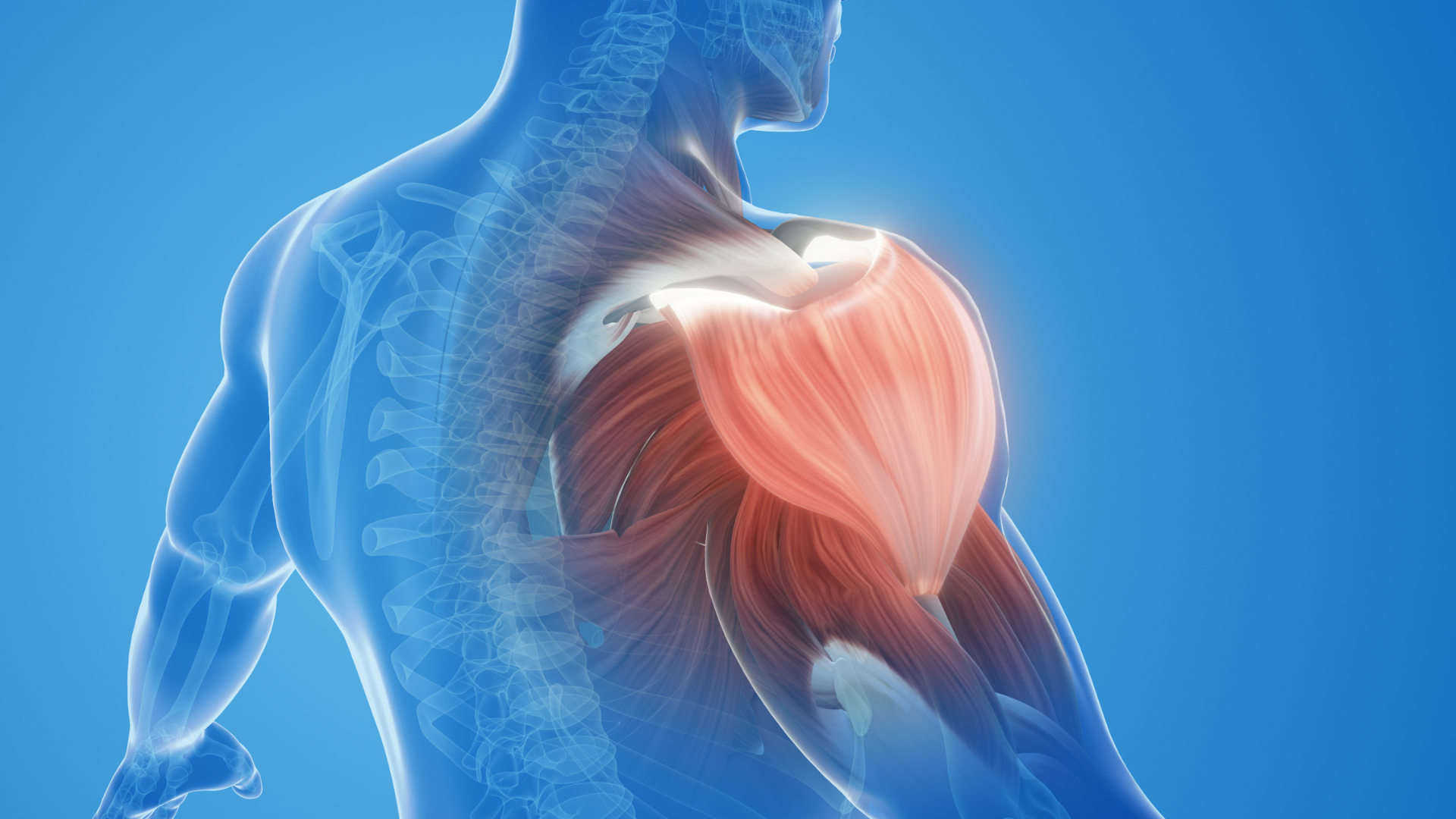
ပခိုက်တစ်ရွေ့သားပြတ်ခြင်း (Rotator Cuff Tear) သည် တစ်စုံတစ်ရာသော 原因များကြောင့် ဖြစ်ပေါ်နိုင်ပါသည်။ အဓိကအားဖြင့် တစ်ကိုယ်ရေတစ်ဖက်သား ပျက်စီးခြင်း၊ အထွက်မတော်မိခြင်း သို့မဟုတ် အခြား အကြောင်းကောင်းများပါဝင်နိုင်သည်။ ဤအခြေအနေသည် ပခိုက်ဒေသတွင် နာခြင်း သို့မဟုတ် မပျော်နပ်မှု ဖြစ်စေပြီး လက် သို့မဟုတ် ပခိုက်ကို အပြည့်အသုံးမပြုနိုင်စေတာ ဖြစ်စေနိုင်သည်။ သာမန်အားဖြင့် ဤအခြေအနေ၏ အကြောင်းရင်းများကို တစ်ရက်တည်းနားလည်၍ လက္ခဏာများနှင့် ကုသမှုရွေးချယ်မှုများကို ပိုမိုသိရှိနိုင်ပါမည်။ ဤ 原因 များတွင် ဆီးယူပါဝင်သည် -
ပခိုက်တစ်ရွေ့သား၏ ပျက်စီးပျက်ယုတ်ခြင်း
အသက်ကြီးလာသောနောက် သက်သက်ရှုး သက်တမ်း တိုးလာပြီဆိုရင် ပခိုက်တစ်ရွေ့သားတွေ ပျက်စီးပျက်ယုတ်တတ်သဖြင့် ပခိုက်တစ်ရွေ့သားပြတ်ခြင်းကဲ့သို့သော သက်နစ်ကျသော ပြဿနာများ ပိုမိုလာနိုင်သည်။ ဤသို့ဖြစ်ရခြင်းမှာ ပခိုက်အဆစ်အနား၌ calcium ဓာတ်တက်ခြင်း တို့လည်း ပါဝင်တတ်သည်။ ဤသော calcium တက်ခြင်းများသည် ပခိုက်တစ်ရွေ့သားများနှင့် ပတ်သက်သော ပွတ်တိုက်မှုဖြင့် အစားထိုးဆွေးမွေးဒဏ်ရနိုင်ပြီး နောက်ဆုံးမှာပြတ်သွားသည်။
ထို့အပြင် ခန္ဓာကိုယ်ရဲ့ အသားအရေကို ပိုမိုပျက်စီးစေတဲ့ ဖွဲ့စည်းမှုပြောင်းလဲစေတဲ့ အလေ့အထများ၊ ဥပမာ ဆေးလိပ် သောက်သုံးခြင်းများလည်း ပခိုက်တစ်ရွေ့သားများ ပိုမိုပျက်စီးလာခြင်းကို အစားထိုးနက်နက်ရှိုင်းရှိုင်း ဖြစ်လာစေပြီး ပြတ်ခြင်းကိုလည်း ပိုမိုဖြစ်လွယ်စေသည်။ ထို့ကြောင့် နောက်ဆုံး သွေးတိုက်ပွဲပခိုက်တစ်ရွေ့သား ပြတ်ခြင်းသို့ရောက်နိုင်ပါသည်။
ပခိုက်တစ်ရွေ့သားရဲ့ ပြင်းထန်ပြီး ကြာရှည်သုံးစွဲမှု
အသက်ကြီးသူများအပြင် အားကစားသမားများ သို့မဟုတ် ခန္ဓာကိုယ်ဖိအားပြင်းအလုပ်လုပ်များပေါ်တည်သူများပါ ပခိုက်တစ်ရွေ့သားပြတ်ခြင်း အန္တရာယ်ရှိသူများ ဖြစ်လေ့ရှိသည်။ ဥပမာ တင်းနစ် သို့မဟုတ် တင်းနစ်တောင့် သုံးသောသူများသည် ခန္ဓာကိုယ် လွှမ်းခြင်း၊ ထိုးခြင်းများအတွက် ပခိုက်ကို အလွန်အသုံးပြုရသောကြောင့် ပခိုက်တစ်ရွေ့သားမှာ ပိုမိုလျင်မြန်စွာ အစားထိုးဖြစ်လာနိုင်သည်။ ထပ်ခါတလဲလဲ အသုံးပြုရာတွင် ပခိုက်တစ်ရွေ့သား မကြာခဏပျက်စီးမှတ်တတ်ပြီး နောက်ဆုံးမှာ ပခိုက်တစ်ရွေ့သား ပြတ်ခြင်း ဖြစ်ပေါ်နိုင်ပါသည်။
ပြင်းထန်သော ထိခိုက်ဒဏ်ရာ
နေ့စဉ်ဘဝတွင် လမ်းပေါ်တွင်ကျသွားခြင်း သို့မဟုတ် အားကစားပြိုင်ပွဲတစ်ခုချင်းတွင်, လက်ရှည်ဖြင့် မြေကြီးကို တလှမ်းထိခိုက်၍ မထိုက်မတန်အားဖြင့် ပခိုက်တစ်ရွေ့သားအနာညာဖွားဖြစ်နိုင်သည်။ ဥပမာ ဘောလုံးဂိုးသမား, သို့မဟုတ် မြေပြင်ပေါ်တွင် ကျထားခြင်းများသည် ပခိုက်ဒဏ်ရာများ ဖြစ်စေနိုင်သည်။ ထိုသို့ထိခိုက်ဒဏ်ရာများကို အချိန်အတော်ကြာ放置ထားပါက ပခိုက်တစ်ရွေ့သား ပြတ်ခြင်းဖြစ်နိုင်သည်။ ထို့အပြင် ခန္ဓာကိုယ်ဖွံ့ဖြိုးဆဲ ကလေးငယ်များအတွက်လည်း ထိခိုက်မှုများသည် အကြောင်းပြချက်တစ်ခုဖြစ်နိုင်သည်။
ပခိုက်တစ်ရွေ့သား ပြတ်ခြင်း၏ လက္ခဏာများ
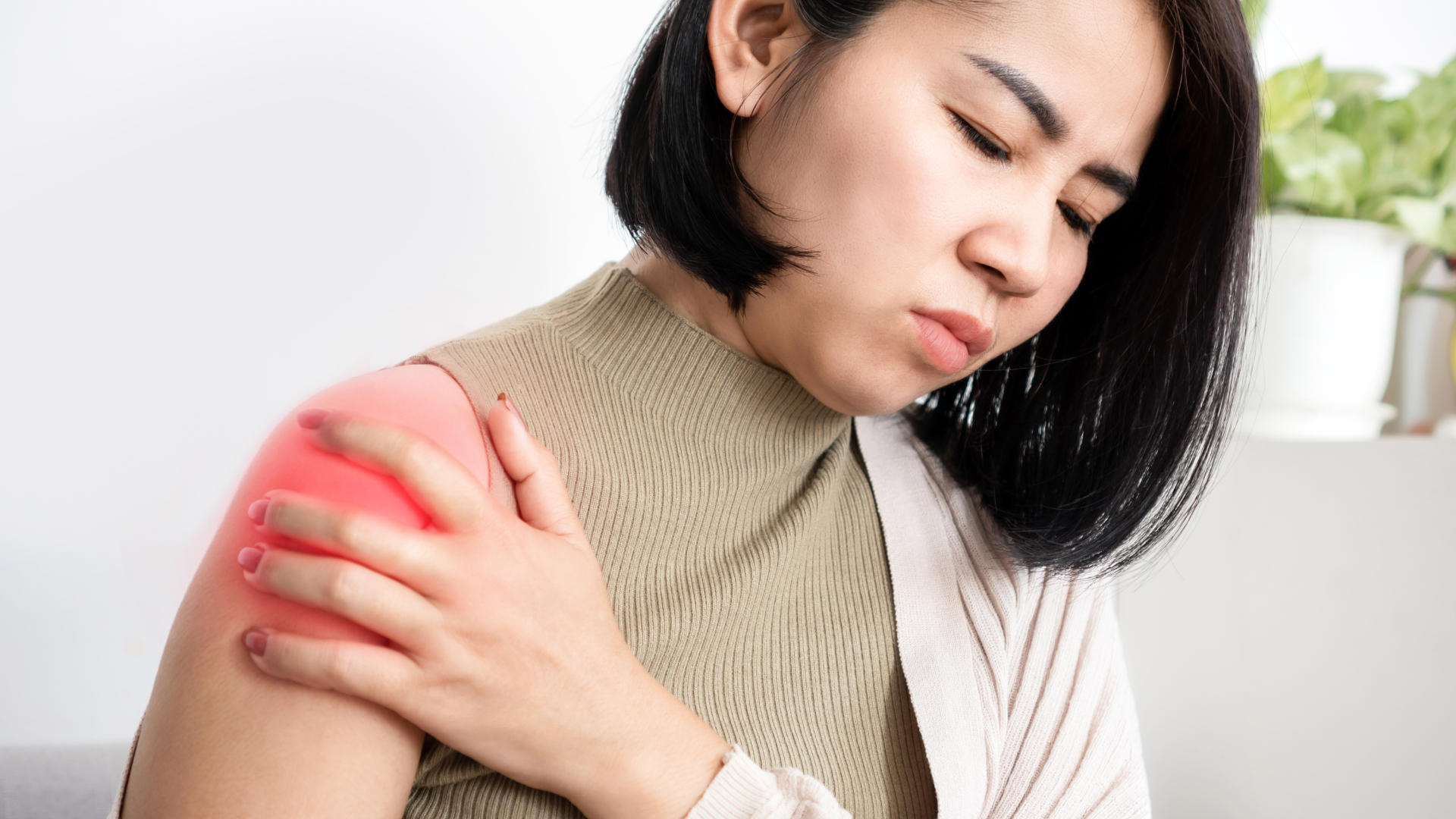
ပခိုက်တစ်ရွေ့သားပြတ်ခြင်း၏ 原因 များကို နားလည်ပြီးနောက်, လက်တွေ့ ရောဂါလက္ခဏာများ သိနိုင်ရန် သင့်အတွက် အချိန်မီကုသရန် အထောက်အကူဖြစ်ပါသည်။ အများအားဖြင့် ပခိုက်တစ်ရွေ့သားပြတ်ခြင်းရှိသူများမှာ အောက်ပါ လက္ခဏာများ ပေါ်ထွက်လေ့ရှိသည်-
- ပခိုက်ဒေသနာခြင်း၊ အထူးသဖြင့် သက်ဆိုင်ရာဘက်အပေါ်အိပ်ရာယူသည့်အခါညပိုင်းတွင် ပိုမိုနာသည်။ ထို့အပြင် နားမှာ၊ ချောင်းတံနှင့် လက်တစ်လျားတို့တွင်လည်း နာခြင်းရှိနိုင်သည်။
- ပခိုက်တစ်ခုတည်းတုတ်ကွေးမှုကူရှင်းရန် အခက်အခဲဖြစ်စေသည်။
- လက်ကို အလျားစိုက်ထုပ်တင်သည့်အခါနာခြင်း၊ အဆစ်တစ်ခု "lock" ဖြစ်နေသကဲ့သို့ခံစားရသည်။
- ကြွက်သားအားနည်းမှုကြောင့် ပစ္စည်းကိုထုပ်တင်ရန် ခက်ခဲထောက်ပံ့သည်။
- ပခိုက်အတင်းအကျပိုမိုရှိခြင်းကြောင့် ပခိုက်ကို လှုပ်ရှားရန်အခက်အခဲဖြစ်သည်။
ပခိုက်တစ်ရွေ့သားပြတ်ခြင်းဖြစ်စေနိုင်သော နာကျင်မှု အဆင့်သည် လူတစ်ယောက်ခြင်း မတူကြောင်း သတိပြုရန်လိုအပ်ပါသည်။ နာကျင်မှုပမာဏသည် ပြတ်နုတ်မှုအခြေအနေနှင့် မတူညီနိုင်ပါ။ ဥပမာ အချို့သူများသည် ပြတ်နုတ်မှု သေးငယ်သော်လည်း နာကျင်မှု အလွန်ပြင်းထန်သောတစ်ဦးတည်းရှိနိုင်သည်။ တစ်ဖက်သို့ ကွဲပြားသောသူများသည် ပိုများသော အနာတစ်ဖြောင့်ရှိလည်း နာကျင်မှုနည်းပါးနိုင်ပါသည်။
ပခိုက်တစ်ရွေ့သားပြတ်ခြင်းမှ နာကျင်မှုနှင့် အားကစားပြီးနောက် သစ်ပြားနာကြွေးခြင်း၏ ကွဲပြားချက်
အားကစား ပြီးနောက် သို့မဟုတ် ခန္ဓာကိုယ်လှုပ်ရှားမှုတိုးလာသည့်နောက် လူအများသည် ကြွက်သားနာခြင်း သို့မဟုတ် ပါးနာချမ်းခြင်းဖြစ်လေ့ရှိသည်။ ဤပုံစံနာခြင်းကို DOMS (Delayed Onset Muscle Soreness) ဟုခေါ်သည်။ ၎င်းသည် ကွက်သားလိမ္မော် tissue ထိခိုက်ပြီးနောက် ဖြစ်လာသော အနာသောယ်ခြင်းကြောင့် ဖြစ်သည်။ ယခုအနာခြင်းသည် ပုံမှန်အားဖြင့် ၃-၄ ရက်အတွင်းလျော့နည်းသွားပါသည်။
သို့သော်၊ ယင်းကာလ ကျော်လွန်ပြီးနောက်လည်း နာခြင်းမသက်သာပဲ ရှိနေပါက နက်ရှိုင်းသော ပြဿနာတစ်ခု သင်္ကေတ ဖြစ်နိုင်သည်။ ဥပမာ အိပ်ရာယူသည့်အခါ ပခိုက်နာခြင်း၊ neck၊ scapula၊ သို့မဟုတ် လက်တစ်လျားအောက်သို့ ထပ်နာလာခြင်းများရှိပါက ပခိုက်တစ်ရွေ့သား ပြတ်ခြင်း ဖြစ်နိုင်သည်။ ဤအခါတွင် ဆရာဝန်ထံ လေ့လာစစ်ဆေးစေရန် လိုအပ်ပါသည်။
ရင်းမြစ် : KDMS Hospital
**ဘာသာပြန်ပြီးစုစည်းတင်ပြသူများ - ArokaGO Content Team
.
လွတ်လပ်သော စာရေးဆရာ
ဤဆောင်းပါးကို မျှဝေပါ
ဆောင်းပါး ထပ်မံကြည့်ရှုပါ
ကျန်းမာရေး စောင့်ရှောက်မှုနှင့် ဆေးဘက်ဆိုင်ရာ ခရီးသွားလာမှု ဆိုင်ရာ ထိုးထွင်းသိမြင်မှုများ ပိုမို ရှာဖွေတွေ့ရှိပါ။

ပိတ်ဆို့နေသော သားဥပြွန်များ + သုက်ပိုးအရည်အသွေး ညံ့ဖျော့ခြင်း—အမွှာကိုယ်ဝန် အောင်မြင်မှုအကြောင်း ဇာတ်လမ်း။
Hydrosalpinx (အရည်ပြည့်နေပြီး ပိတ်ဆို့နေသော fallopian tubes) နှင့် သုတ်ကောင်အရည်အသွေးမကောင်းခြင်းတို့ ပေါင်းစပ်နေသော်လည်း IVF/ICSI ဖြင့် ကလေးရနိုင်သေးပါသည်။ အကြောင်းမှာ fertilization လုပ်ငန်းစဉ်သည် fallopian tubes ကို လုံးဝမဖြတ်သန်းဘဲ ဆောင်ရွက်နိုင်သောကြောင့် ဖြစ်သည်။ သို့သော် IVF မစတင်မီတွင် အောင်မြင်သော ကိုယ်ဝန်ရရှိနိုင်မှုကို မြှင့်တင်ရန် ထိခိုက်နေသော fallopian tube ကို ခွဲစိတ်၍ ဖယ်ရှားခြင်း သို့မဟုတ် clip တပ်ခြင်းကို ဆရာဝန်များက မကြာခဏ အကြံပြုကြသည်—ဤသည်မှာ ၃ နှစ်ကြာ စောင့်ဆိုင်းပြီးနောက် နောက်ဆုံးတွင် အမွှာကိုယ်ဝန်ရရှိခဲ့သော မိခင်တစ်ဦး၏ တကယ့်ဖြစ်ရပ်ကဲ့သို့ပင် ဖြစ်သည်။

ICSI အချိန်ဘယ်လောက်ကြာလဲ? သင်၏ ပထမဆုံး အကြံပေးဆွေးနွေးခြင်းမှ ကိုယ်ဝန်ရရှိခြင်းအထိ အချိန်ဇယား
ICSI သည် မျိုးမပွားနိုင်မှုကို ကြုံတွေ့နေရသော စုံတွဲများအတွက် အများဆုံး အသုံးပြုသည့် ကူညီမျိုးပွားနည်းပညာများထဲမှ တစ်ခုဖြစ်သည်။ မကြာခဏ မေးလေ့ရှိသော မေးခွန်းများထဲမှ တစ်ခုမှာ “ICSI သည် ဘယ်လောက်ကြာမလဲ?” သို့မဟုတ် “ရလဒ်ကို သိရန် မတိုင်မီ ICSI အတွက် ဘယ်နှစ်လ ကြာမလဲ?” ဖြစ်သည်။ အဖြေမှာ ကိန်းသေ တစ်ခုတည်းမဟုတ်ဘဲ ဆေးဘက်ဆိုင်ရာ အကြောင်းအရာများစွာနှင့် တစ်ဦးချင်းစီ၏ ကုသမှုအပေါ် တုံ့ပြန်မှုတို့ပေါ် မူတည်သည်။

အေးခဲထားတဲ့ ဥများကို ဘယ်လောက်ကြာကြာ သိမ်းဆည်းထားနိုင်ပြီး ဘယ်အချိန်မှာ အသုံးပြုသင့်ပါသလဲ?
အေးခဲထားသော သားဥများကို ဘယ်လောက်ကြာအောင် သိမ်းထားနိုင်ပါသလဲ? ဤသည်မှာ မိမိတွင် ကလေးယူရန် မသင့်တော်သေးဘဲ အနာဂတ်တွင် မိမိ၏ သားဥများကို အသုံးပြုရန် စီစဉ်နေသူများအတွက် အရေးကြီးသော မေးခွန်းတစ်ခု ဖြစ်သည်။ သင့်လျော်သော အခြေအနေများအောက်တွင် အေးခဲထားသော သားဥများကို နှစ်ပေါင်းများစွာ သိမ်းဆည်းထားနိုင်သည်။ သို့သော် ၎င်းတို့ကို မည်သည့်အချိန်တွင် အသုံးပြုမည်ကို ဆုံးဖြတ်ရာတွင် သားဥထုတ်ယူချိန်ရှိ သင့်အသက်အရွယ်၊ ကိုယ်ဝန်ဆောင်ရန် စီစဉ်သည့်အချိန်ရှိ သင့်ကျန်းမာရေးအခြေအနေ၊ နှင့် သိုလှောင်မှု သဘောတူညီချက်၏ စည်းမျဉ်းများကို ထည့်သွင်းစဉ်းစားရန် လိုအပ်သည်။ ဤကွဲပြားသော အချက်များကို နားလည်ခြင်းက ကလေးယူရေးအတွက် ပိုမိုရှင်းလင်းသော အစီအစဉ်တစ်ခု ချမှတ်နိုင်ရန် ကူညီပေးနိုင်သည်။