Rhinoplasty with GDCC Technique (Glued Diced Costal Cartilage)

Rhinoplasty Using the GDCC Technique (Glued Diced Costal Cartilage)
The nasal structure of many Asian individuals often consists of weaker cartilage, thicker skin, a low nasal bridge, and a less projected nasal tip. Because of these anatomical characteristics, costal cartilage (rib cartilage) is frequently used in rhinoplasty for Asian patients due to its strength and sufficient quantity.
Rib cartilage rhinoplasty is particularly suitable for patients with conditions such as short nose, saddle nose, crooked nose, small nose, or flat nose, where significant nasal bridge augmentation and septal structural reconstruction are required.
Currently, Block Costal Cartilage (BCC) is a commonly used technique for nasal bridge augmentation. However, this technique may have certain drawbacks, such as cartilage warping, visible ridging, or an uneven nasal surface.
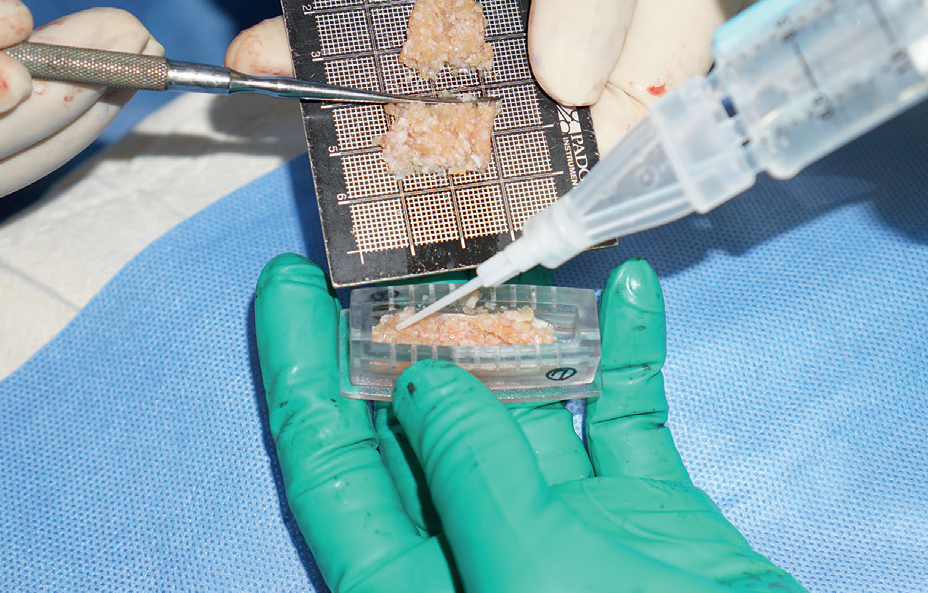
To reduce these potential complications, the Glued Diced Costal Cartilage (GDCC) technique has been developed.
Advantages of the GDCC Technique
The GDCC technique involves dicing rib cartilage into small pieces and securing them together, which allows surgeons to shape the nasal bridge more precisely. This approach offers several benefits:
๐ Creates a smooth and natural-looking nasal bridge
๐ Maximizes the use of rib cartilage
๐ Reduces the risk of cartilage warping or collapse
๐ Provides more flexible and natural contouring
Important Considerations
Although the GDCC technique offers many advantages, it is technically complex and requires significant surgical expertise. Therefore, patients should consult with experienced surgeons and reputable clinics to ensure both beautiful and safe long-term results.
Proper consultation and surgical planning are essential to achieve a balanced, natural-looking nose that suits each individual’s facial structure.
source : ALINE CLINIC
**Translated and compiled by ArokaGO Content Team
Independent Writer
Share this article
More Articles
Discover more insights on health care and medical tourism.

Cerebral Ischemia: Stop the Risk of Chronic Cerebral Ischemia with Cerebral Revascularization Surgery
Stroke is considered one of the major causes of permanent disability and death, especially among middle-aged and elderly groups. However, this disease is not limited to the elderly only, as certain cerebrovascular abnormalities can be found from childhood, such as Moyamoya disease, which is a condition where the cerebral arteries gradually narrow or become blocked, usually occurring at the base of the brain. This results in insufficient blood supply to the brain and may lead to chronic cerebral ischemia or unexpected acute stroke symptoms.

Influenza
Influenza, commonly known as the flu, is a contagious disease that occurs every year. It is caused by the influenza virus, which spreads through respiratory droplets such as nasal mucus, saliva, or sputum when an infected person coughs, sneezes, or breathes close to others.

Symptoms of loose knees, swollen knees, and knee noises in young people know the causes and appropriate treatment methods.
Knee problems are not only an issue for the elderly. Nowadays, many young people are starting to experience symptoms of knee instability, knee swelling, and knee noises, which affect daily life and exercise activities. If you are experiencing these problems, understanding the causes and finding the correct treatment methods will help you take care of yourself and prevent the condition from worsening.