The Healing Journey: How Medical Tourism is Transforming Global Healthcare Experiences

Medical tourism, defined as the act of receiving medical care in a foreign country, has grown significantly in recent years. Patients often pursue medical care abroad to reduce costs, access treatments unavailable in their home countries, or receive care that is perceived as better or more specialized. According to government statistics, approximately 20% of all international travelers engage in medical tourism, with Thailand emerging as a key destination. In 2016, Thailand attracted 1.85 million medical tourists, generating over $2 billion in revenue, with significant representation from American (33%), Chinese (29%), and Japanese (18%) tourists (Aizura, 2017).
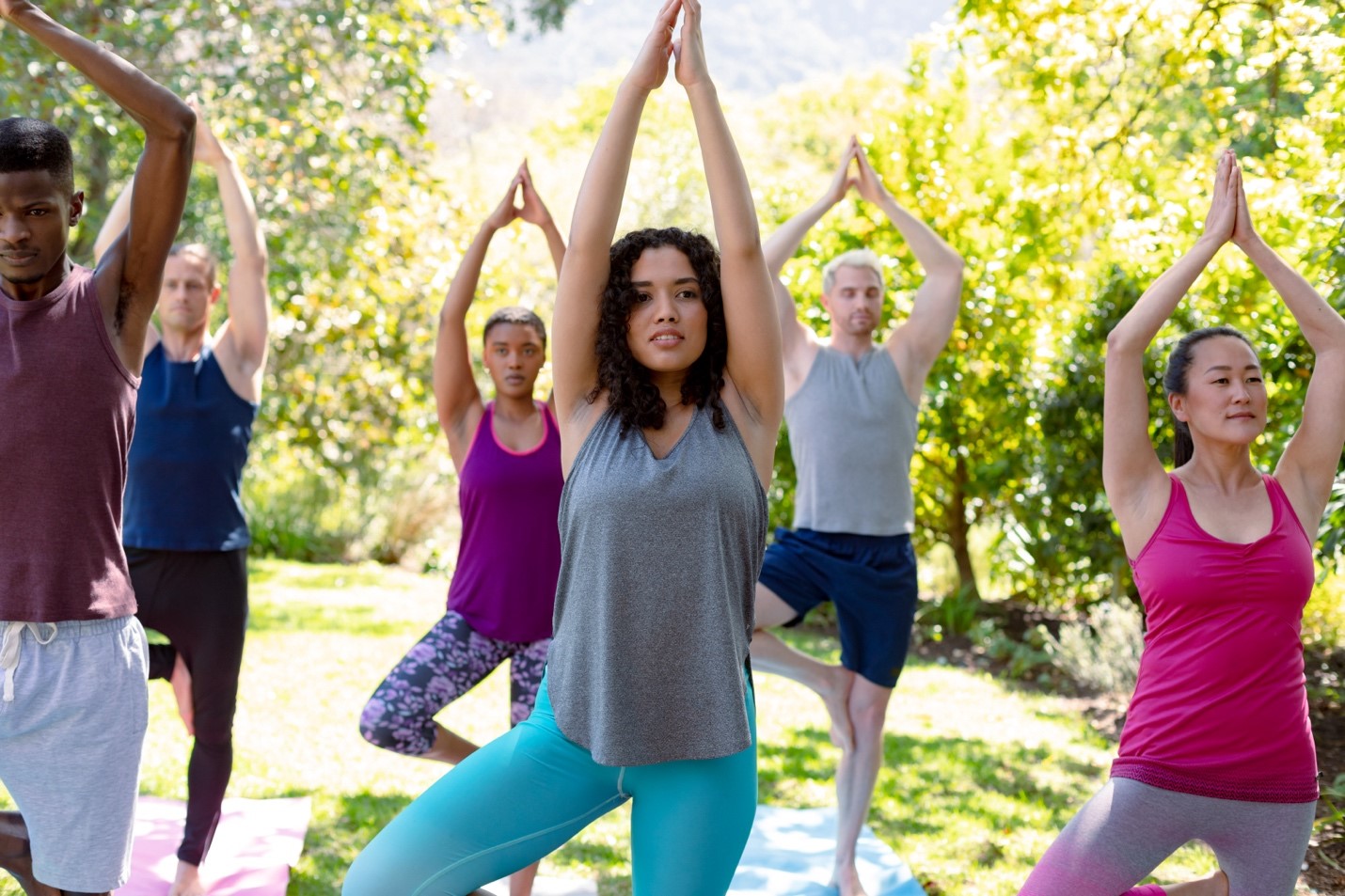
In parallel, wellness tourism, which caters to individuals seeking to improve their overall well-being, has also witnessed considerable growth. Unlike medical tourists, wellness tourists are typically healthy individuals who wish to enhance their physical, mental, and emotional states through various health-promoting activities. Between 2017 and 2019, wellness tourism expanded by 8% annually, reaching a global market value of $720 billion. However, the COVID-19 pandemic severely impacted the sector, causing a 39.5% decline to $436 billion in 2020. Despite this setback, the wellness tourism market is projected to rebound with a 21% annual growth rate through 2025, driven by new traveler values emphasizing nature, sustainability, and mental health, coupled with a rapid recovery from the pent-up demand experienced in 2021 and 2022.
Categories of Wellness Tourism
Wellness tourism can be classified into three primary categories: beauty spa, lifestyle modification, and spiritual retreat visitation. Additionally, there is a category known as "medical wellness" or "overlap tourism," which refers to the practice of traveling to a foreign country to receive health-improving medical or wellness therapies. This form of tourism focuses on preventative healthcare, wellness practices, and holistic treatments, often involving a variety of services such as spa treatments, yoga and meditation retreats, nutritional counseling, and fitness programs. Rehabilitation facilities, including hotels and resorts that offer recovery assistance, play a crucial role in this sector.

Global Impact and Prominent Institutions
The global impact of medical tourism is profound, with a growing number of tourists traveling across continents for medical care. This trend has led to the establishment of a robust medical tourism industry, with leading institutions such as Bumrungrad International Hospital in Thailand, Apollo Hospital in India, and Mount Elizabeth Hospital in Singapore becoming prominent players in the field.

Integration of Tourism Activities
Medical tourism is not solely about the medical procedures themselves; it also encompasses a range of tourism activities designed to enhance the overall experience. Entrepreneurs and healthcare providers collaborate to offer medical and health tourists a comprehensive and satisfying experience, with the goal of encouraging return visits. Medical tourism is poised to replace traditional tourism in many regions, particularly as countries like Thailand reopen their borders to foreign visitors.

Key Considerations for Health Care Practitioners
As the medical tourism industry evolves, healthcare practitioners in destination countries must prioritize several key factors to ensure the success and sustainability of their services:
1. High-Quality Health Services: Healthcare services must meet internationally recognized standards of care and service quality.
2. Cultural Sensitivity and Communication: Providers must be equipped to communicate effectively with international guests and be aware of their cultural sensitivities.
3. Transparent and Affordable Pricing: The cost of services must be clear and competitively priced.
4. Secure and Comfortable Lodging: Patients require safe and comfortable accommodations during their stay.
5. Efficient Transportation and Logistics: A well-coordinated transportation and logistics process is essential for a seamless experience.
6. Coordination of Care: Effective coordination between healthcare providers and patients is crucial for optimal treatment outcomes.
These elements are essential for building a comprehensive medical tourism infrastructure. Continuous monitoring and evaluation of treatment outcomes are necessary to maintain high standards and improve patient care.
Conclusion
Medical and wellness tourism represent significant opportunities for growth in the global healthcare market. As these sectors continue to expand, especially in the wake of the COVID-19 pandemic, countries like Thailand are well-positioned to capitalize on the increasing demand for high-quality medical and wellness services. By focusing on the key considerations outlined above, healthcare providers can enhance their offerings and ensure that they remain competitive in this dynamic and rapidly evolving industry.
References
- Aizura, A. (2017). Where health and beauty meet: femininity and racialisation in Thai cosmetic surgery clinics. Asian Studies Review, 33(3), 303-317.
- The Global Wellness Economy: Country Rankings. (2022). Global Wellness Institute. Retrieved from https://globalwellnessinstitute.org/industry-research/2022-global-wellness-economy-country-rankings/ (accessed 23 March 2023).
Share this article
More Articles
Discover more insights on health care and medical tourism.

Best Ways To Prevent Contact Lens Infections?
The most important thing in contact lens care is cleanliness which is not only the contact lens but also a contact lens storage case. Here are two important steps to contact lens care.

EBOO Therapy in the 21st Century: Restoring Health in a Toxic World
EBOO (Extracorporeal Blood Oxygenation and Ozonation) is a medical innovation that uses a blood filtration system combined with oxygen and ozone infusion. This process removes toxins, heavy metals and harmful by-products from the bloodstream while simultaneously increasing oxygen levels, improving circulation and supporting vital organ function.

Is cycling really effective in treating osteoarthritis of the knee? Discover the techniques for strengthening your knees through cycling without surgery.
For those experiencing knee pain or suffering from osteoarthritis, physical movement can often be daunting. Many choose to stop moving for fear of further knee damage, but in reality, inactivity leads to muscle atrophy and knee stiffness. One of the most commonly recommended methods by doctors and physical therapists worldwide is cycling to treat osteoarthritis. But the question is, how can one cycle effectively for rehabilitation without worsening the joint condition? This article provides the answer.