Where Is the Nasal Hump? Checking Causes and Methods to Create a Smooth, Sloped Contour

For anyone dealing with a curved or protruding nasal bridge, or feeling that their face looks overly harsh or less soft than desired, you may be experiencing a structural nasal feature known as a "Nasal Hump." This structural condition causes aesthetic concern for many, especially those planning facial restructuring. In this article, ALINE Clinic guides you through understanding where the nasal hump is located, how to spot it, and recommended structural adjustment methods to restore soft, natural facial balance.
Where Is the Nasal Hump (Nasal Hump) and How to Perform a Self-Check?
Many people wonder where the nasal hump is located. It is a bony and cartilaginous prominence sitting on the middle of the nasal bridge, specifically at the junction where the hard bone meets the upper lateral cartilage.
To perform a self-assessment:
- Gently run your index finger down your nasal bridge. If you feel a distinct bump or irregularity, a hump is present.
- Observe your profile from a 45-degree and 90-degree side angle. A noticeable upward curve or protrusion along the mid-bridge confirms a hidden nasal hump structure.
What Causes a Nasal Hump? Checking the Triggers Behind a Prominent Bridge
A prominent nasal bridge or hump can develop from several key factors, most commonly including:
Genetics and Development Factors
The primary cause is hereditary traits passed down through families. Additionally, disproportionate growth of bone and cartilage during pubertal development can cause the osseocartilaginous junction to expand outward, forming a distinct bump.
Accidents and Direct Trauma
Experiencing severe impact to the nose from physical accidents can cause nasal bone fractures or misalignment during bone healing. The body's natural callus formation and tissue repair process can subsequently leave behind a hard, bony protrusion on the bridge.
Is It Necessary to Rasp a Nasal Hump? How Does It Affect Facial Aesthetics?
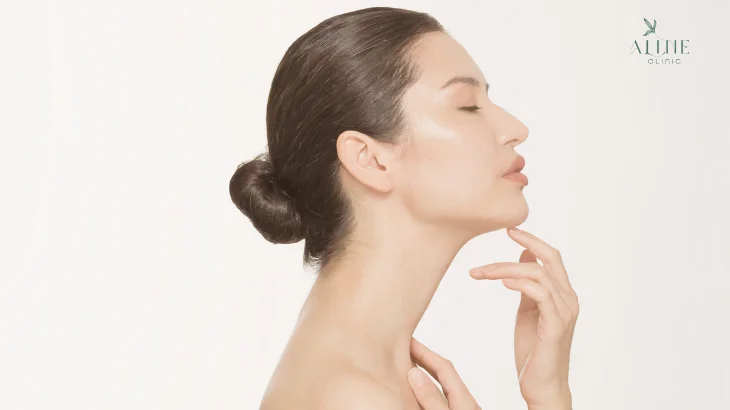
Deciding whether to address a nasal hump depends on personal aesthetic concerns and underlying anatomy. If the hump is minor and does not disrupt overall facial proportions, correction may be unnecessary. However, prominent humps often impart a harsh, stern, or overly angular facial appearance, disrupting soft facial harmony and impacting self-confidence.
Risks of Rhinoplasty Without Reducing the Hump
For individuals seeking nose augmentation using implants, addressing the underlying bone base is a critical step. Placing an implant directly over an unreduced hump prevents it from resting flush against the bone. This raises the risk of "floating implants," leading to implant deviation, crookedness, or unnatural-looking long-term outcomes.
Techniques for Reducing a Nasal Hump for a Natural Sloped Contour
Physicians assess facial anatomy to select the most appropriate surgical approach:
1. Nasal Hump Rasping (Rasping)
This technique utilizes specialized surgical rasps to smooth down protruding hard bone along the bridge. It is ideal for minor to moderate humps, serving as a primary base refinement step before further contouring.
2. Osteotomy (Nasal Base Reduction)
In cases where a nasal hump is accompanied by a wide or crooked nasal bone base, surgeons may perform an osteotomy. Controlled bone mobilization narrows and straightens the lateral nasal walls, creating a refined, slender bridge that harmonizes better with facial proportions than rasping alone.
3. Open Rhinoplasty (Structural Revision)
For complex nasal structures, high humps, or secondary revision cases, open rhinoplasty provides full visualization of internal anatomy. This allows precise resection and modification of both bone and cartilage, enabling total structural grafting and re-alignment for a tailored, elegant slope.
How Long Is the Recovery Period After Hump Reduction or Rasping?
Recovery timelines vary depending on surgical techniques and personal healing responses. Mild to moderate swelling and bruising around the nose and under-eye area typically subside within 1–2 weeks and resolve significantly within 1 month. Soft tissues and cartilage fully settle against the framework, revealing clear, natural-looking results within 3 to 6 months.
Structural Rhinoplasty and Hump Reduction Care at ALINE Clinic
If you are looking for attentive structural rhinoplasty, ALINE Clinic provides comprehensive consultations tailored to your facial concerns:

- Supervised by experienced facial plastic surgeons specializing in structural nasal modifications.
- Individualized anatomical evaluation and personalized treatment plans for soft, natural results.
- Multi-technique versatility covering rasping, lateral osteotomy, and open structural rhinoplasty.
- Standardized, sterile operating facilities focusing strictly on patient safety.
For patients interested in rhinoplasty in Korat (Nakhon Ratchasima) or surrounding regions, direct structural evaluations are available with ALINE Clinic physicians to co-design a balanced, confidence-boosting nasal profile.
Summary: Achieving a Soft and Balanced Facial Structure
A nasal hump is a bony projection on the nasal bridge that can make facial features look stern or unbalanced. Addressing it correctly - whether via rasping, osteotomy, or open structural rhinoplasty - prepares a smooth base for creating an aesthetically pleasing sloped contour while reducing future implant deviation risks. Consulting an experienced surgeon is recommended to select the optimal technique for your unique anatomy.
Reference :
Independent Writer
Share this article
More Articles
Discover more insights on health care and medical tourism.

Gingivitis: Symptoms, Causes, and Effective Treatment Methods
Good oral health is an essential aspect of overall well-being that should never be overlooked, especially regarding common conditions like Gingivitis. If left untreated, it can lead to more severe oral health complications. This article provides a comprehensive overview of the causes, symptoms, treatments, and prevention strategies for gingivitis to help you maintain healthy gums and teeth.

What Are Damon Braces? Everything Important You Need to Know Before Getting Orthodontic Treatment
Having a beautiful smile and good oral health is a widespread desire, and orthodontic treatment remains a popular choice. In particular, Damon Braces (Damon System) represent a modern orthodontic innovation developed to cater to individuals seeking faster, more comfortable results. This article provides a comprehensive guide to Damon braces - covering how the system works, superior benefits compared to traditional options, preparation steps, and post-treatment maintenance - so you feel fully prepared before beginning your orthodontic journey.

Low Ferritin Symptoms: What to Watch For in 2026
Low ferritin appears before anemia does. Symptoms begin when iron stores drop, sometimes months before red blood cell count falls. Many people attribute fatigue or hair thinning to stress or age when the cause is measurable and correctable. A ferritin test is a simple blood test, yet it is often missing from a routine check-up.