5 Non-Surgical Skin Tightening Treatments to Rejuvenate Your Look

What Causes Sagging Skin?
Sagging skin can result from several factors, including:
Age
As we grow older, the body produces less collagen and elastin, the proteins responsible for keeping the skin firm and elastic. As a result, the skin loses its tightness and wrinkles become more visible.
Sun Exposure
UV rays from sunlight break down collagen and elastin, causing the skin to lose elasticity and age more quickly.
Hormonal Changes
Certain hormones, especially estrogen, help maintain skin moisture and elasticity. When hormone levels change, such as during menopause, the skin can become less firm and more prone to sagging.
Lifestyle Habits
Daily habits can significantly affect skin firmness and make the face appear older than its actual age. Common contributing factors include:
๐ Smoking, which constricts blood vessels and reduces oxygen and nutrient supply to the skin
๐ Lack of sleep, which increases stress hormones and negatively affects skin health
๐ Poor nutrition, especially diets lacking essential vitamins and minerals needed for healthy skin
Facial Expressions
Frequent and intense facial movements, such as frowning or smiling, can also contribute to wrinkles and skin laxity over time.
Other Factors
Other causes of sagging skin may include:
๐ Genetics: Some people are naturally more prone to faster skin aging
๐ Rapid weight loss: When weight is lost too quickly, the skin may not tighten in time, leading to looseness
๐ Medical conditions: Certain conditions, such as thyroid disorders, may also contribute to skin laxity
5 Non-Surgical Skin Tightening Treatments
Vdesign would like to introduce the following five options for non-surgical skin tightening:
1. Skin Tightening with Botox Injections
Before discussing Botox for lifting and tightening, it is important to understand what Botox is.
Botox is a purified substance derived from a type of bacteria. It works by relaxing targeted muscles. When injected into specific facial muscles, it reduces their movement, which helps soften expression lines and can also create a lifting effect.
Botox is therefore one of the most popular non-surgical skin tightening options, especially for facial contouring, helping the face appear slimmer, firmer, and more youthful.
2. Facial Lifting with Fillers
Facial lifting with dermal fillers is another popular option for those who want a younger-looking appearance.
Fillers are substances used to restore volume to deep lines, nasolabial folds, and areas where the skin has lost fullness or hydration. This makes the skin appear plumper, smoother, and more youthful.
A commonly used filler ingredient is Hyaluronic Acid (HA), which has excellent water-retaining properties. This helps the skin stay hydrated and full. In addition, HA can also stimulate collagen and elastin production, which further supports skin strength and elasticity.
3. Skin Tightening with Ultraformer III
This procedure helps improve skin firmness and restore a more youthful appearance without surgery. It provides impressive results with little to no downtime.
For anyone looking for a treatment that can help the face look firmer, younger, and more defined, this may be an appealing choice.
What Is Ultraformer III?
Ultraformer III is a device that uses High-Intensity Focused Ultrasound (HIFU) to deliver thermal energy into the deeper layers of the skin. This stimulates the production of new collagen and elastin, resulting in firmer skin, reduced wrinkles, and a more contoured facial shape.
How Does Ultraformer III Work?
Ultraformer III works through three main mechanisms:
๐ Ultrasound energy: Focused ultrasound energy is delivered into the dermal layers, generating heat
๐ Collagen stimulation: The heat triggers the body to produce new collagen and elastin
๐ Skin tightening: Newly formed collagen and elastin help tighten the skin, reduce wrinkles, and improve facial contour
4. Facial Tightening with Ulthera SPT
Ulthera SPT is a skin tightening treatment that uses high-frequency ultrasound energy to lift and tighten the skin. It targets the SMAS layer, the same layer addressed in surgical facelifts, allowing for noticeable lifting results.
This technology is an advanced development of the original Ulthera system. It includes SPT (See-Plan-Treat), which allows the physician to visualize the skin layers in real time during treatment. As a result, the procedure can be tailored more precisely to each individual’s skin condition.
5. Facial Tightening with New Thermage FLX
Lastly, New Thermage FLX is one of the most well-known technologies for non-surgical facial tightening. It works through Monopolar Radiofrequency (RF), which delivers heat into the deeper layers of the skin and creates changes that improve firmness.
How New Thermage FLX Works
๐ Stimulates collagen production: Radiofrequency heat encourages the body to create new collagen and elastin, improving skin strength, smoothness, and firmness
๐ Tightens existing collagen: Heat also causes existing loose collagen fibers to contract, producing an immediate tightening effect
๐ Helps reduce excess fat: Thermal energy can also assist in reducing excess fat beneath the skin, making the face appear slimmer and more defined
How to Choose the Right Skin Tightening Procedure
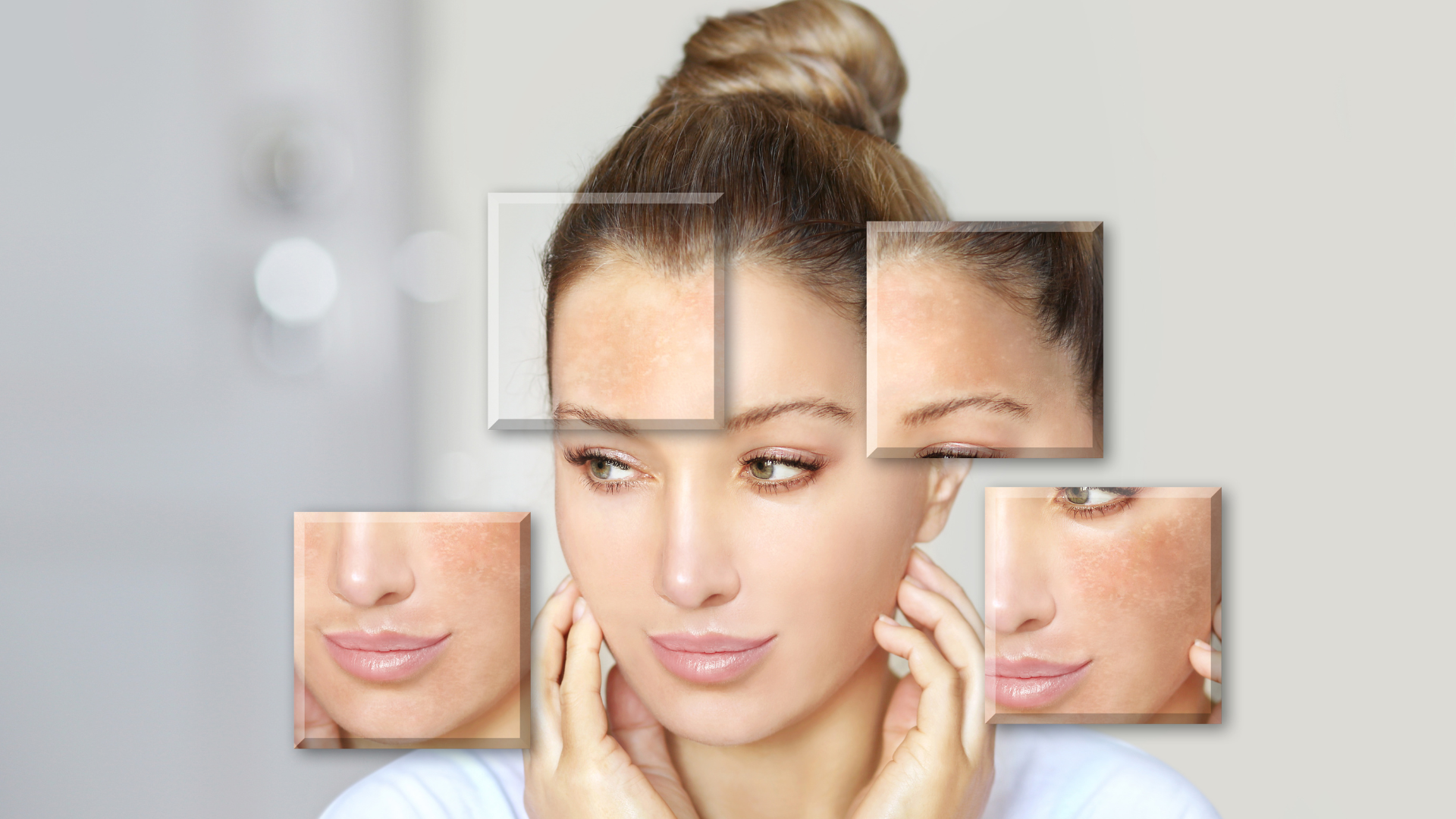
The most suitable skin tightening treatment depends on several factors, such as skin condition, age, aesthetic concerns, and budget.
In general, the procedures mentioned above are all popular options, but each one has its own strengths, limitations, and suitability for different skin concerns.
Factors to Consider
1. Skin Concerns
Each person has different needs. For example:
๐ If the skin is significantly sagging, a treatment that reaches deeper layers may be more suitable
๐ If wrinkle reduction is the main goal, a collagen-stimulating procedure may be enough
๐ If there is excess facial fat, a treatment that also helps reduce fat may offer dual benefits
In addition, every person’s skin strength and treatment response are different. It is therefore recommended to undergo a proper skin assessment so that a doctor can provide personalized advice.
2. Age
As age increases, skin laxity may become more pronounced. More intensive or deeper-acting procedures may therefore be required to achieve the desired results.
3. Budget
Cost is another important factor. Each treatment comes with different pricing, so it is important to consider your budget before making a decision.
Questions Patients Should Ask Their Doctor
Before choosing any skin tightening procedure, patients should ask their doctor the following questions:
๐ Is this technology suitable for my skin condition?
๐ How long will the results last?
๐ What are the possible side effects?
๐ How should I prepare before the treatment?
๐ How should I take care of myself afterward?
Conclusion
Non-surgical skin tightening technologies such as Ultraformer III, Ulthera SPT, and Thermage are excellent options for those who want firmer, younger-looking skin without surgery.
The results depend on several factors, including the type of device used, the individual’s skin condition, and the expertise of the physician performing the treatment. Consulting a qualified doctor is essential to receive advice that matches your needs and skin type.
source :
Arokago Providers V Design Clinic
**Translated and compiled by ArokaGO Content Team
Independent Writer
Share this article
More Articles
Discover more insights on health care and medical tourism.

Songkran Warning: How to Prevent and Handle “Shoe Suction” Injuries During Water Festival Celebrations
As Thailand celebrates Songkran, many festival-goers are enjoying water splashing in the streets, but one surprisingly common issue keeps returning every year, the so-called “shoe suction” problem, when wet slip-on sandals or rubber shoes become stuck tightly to the foot or ankle after prolonged exposure to water.

Office Syndrome: A Common Health Problem Among Modern Workers
In an era when working in front of a computer has become part of everyday life, Office Syndrome has emerged as one of the most common health concerns among working-age adults.

Urine does not flow, cannot hold urine
Urine does not flow, cannot hold urine, check urgently before it becomes an enlarged prostate or BPH (Benign Prostate Hyperplasia).