An In-Depth Look at Lymphatic Drainage Massage: The Art of Therapeutic Touch to Reduce Water Retention, Release Tension, and Restore a Sense of Lightness

Many individuals may have experienced unexplained weight fluctuations, facial puffiness, or a feeling of tightness in their clothing despite no significant changes in diet. Waking up with a sense of heaviness in the body is often not caused by fat accumulation, but rather by water retention and the buildup of waste within the body.
These conditions are commonly associated with modern lifestyles characterized by prolonged sitting, lack of movement, and accumulated stress.
At HydroHealth, we offer a refined approach to body care that combines the relaxation of a premium spa experience with the effectiveness of deep wellness support Lymphatic Drainage Massage. This therapeutic touch is designed to release internal heaviness and restore a true sense of lightness and balance.
Understanding the Lymphatic System: An Essential Yet Often Overlooked Mechanism
To fully appreciate the effectiveness of this therapy, it is important to understand the body’s underlying mechanisms. The lymphatic system functions as a primary drainage network, responsible for transporting excess fluids, toxins, and cellular waste away from tissues for elimination.
Unlike the circulatory system, which is powered by the heart, the lymphatic system does not have its own pumping mechanism. Instead, it relies on muscle movement and contraction to facilitate fluid circulation.
As a result, when the body experiences prolonged inactivity, muscle tension, or continuous stress, lymphatic flow can slow down leading to the accumulation of waste and fluid retention within tissues.
The Difference Between Lymphatic Drainage Massage and Conventional Massage
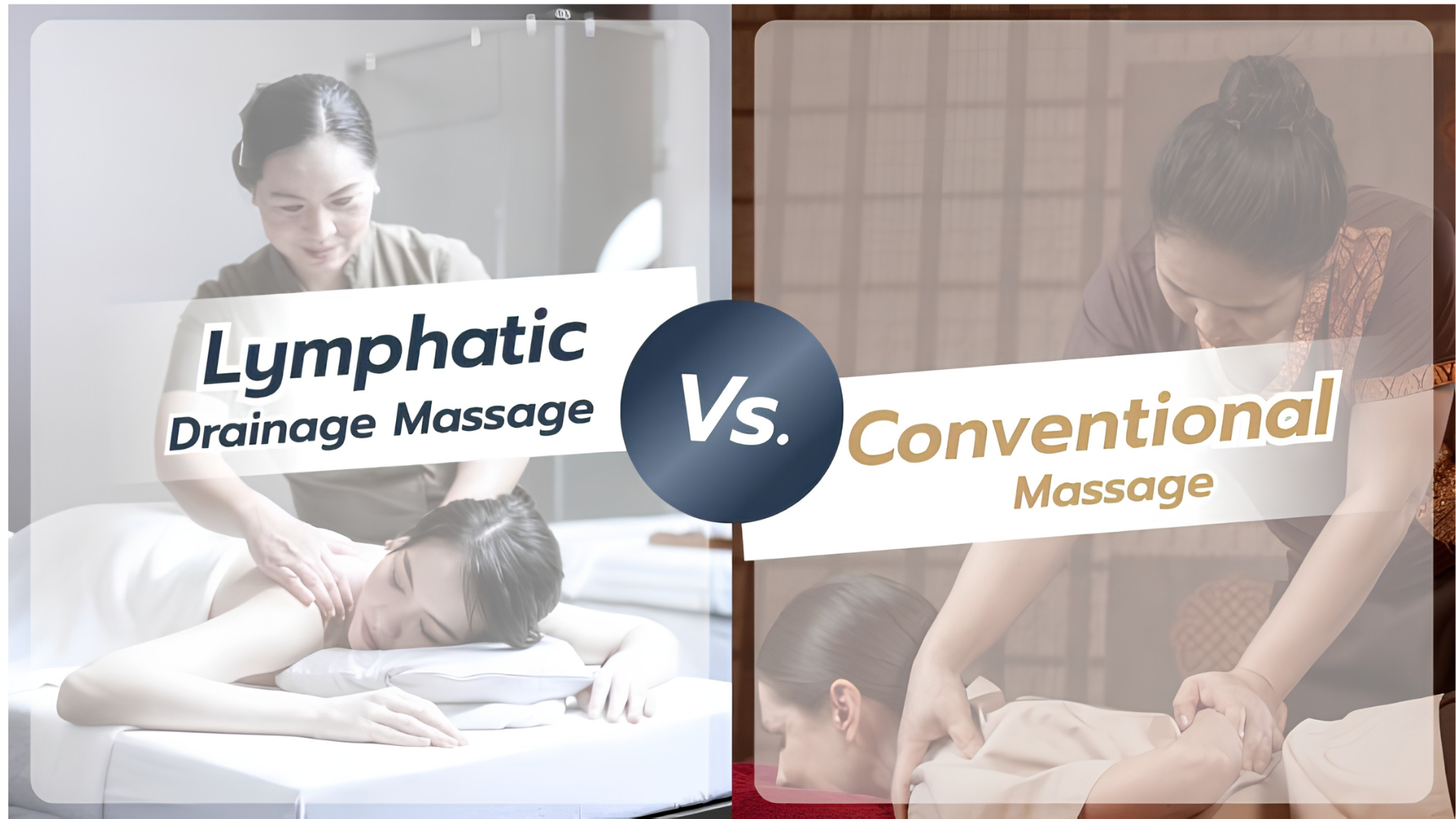
When most people think of massage, they often associate it with deep pressure techniques aimed at relieving muscle tension, such as deep tissue massage, which can sometimes cause discomfort or soreness afterward.
In contrast, Lymphatic Drainage Massage follows an entirely different principle.
Because the lymphatic vessels are located just beneath the skin, this technique utilizes light, gentle, and rhythmic strokes performed by trained therapists. These movements are carefully directed toward key lymph nodes such as those in the neck, underarms, and groin to encourage proper lymphatic flow in alignment with physiological pathways.
This approach is non-invasive, non-painful, and deeply relaxing often allowing clients to rest or even fall asleep comfortably during the session.
4 Noticeable Benefits: Restoring Lightness from Within
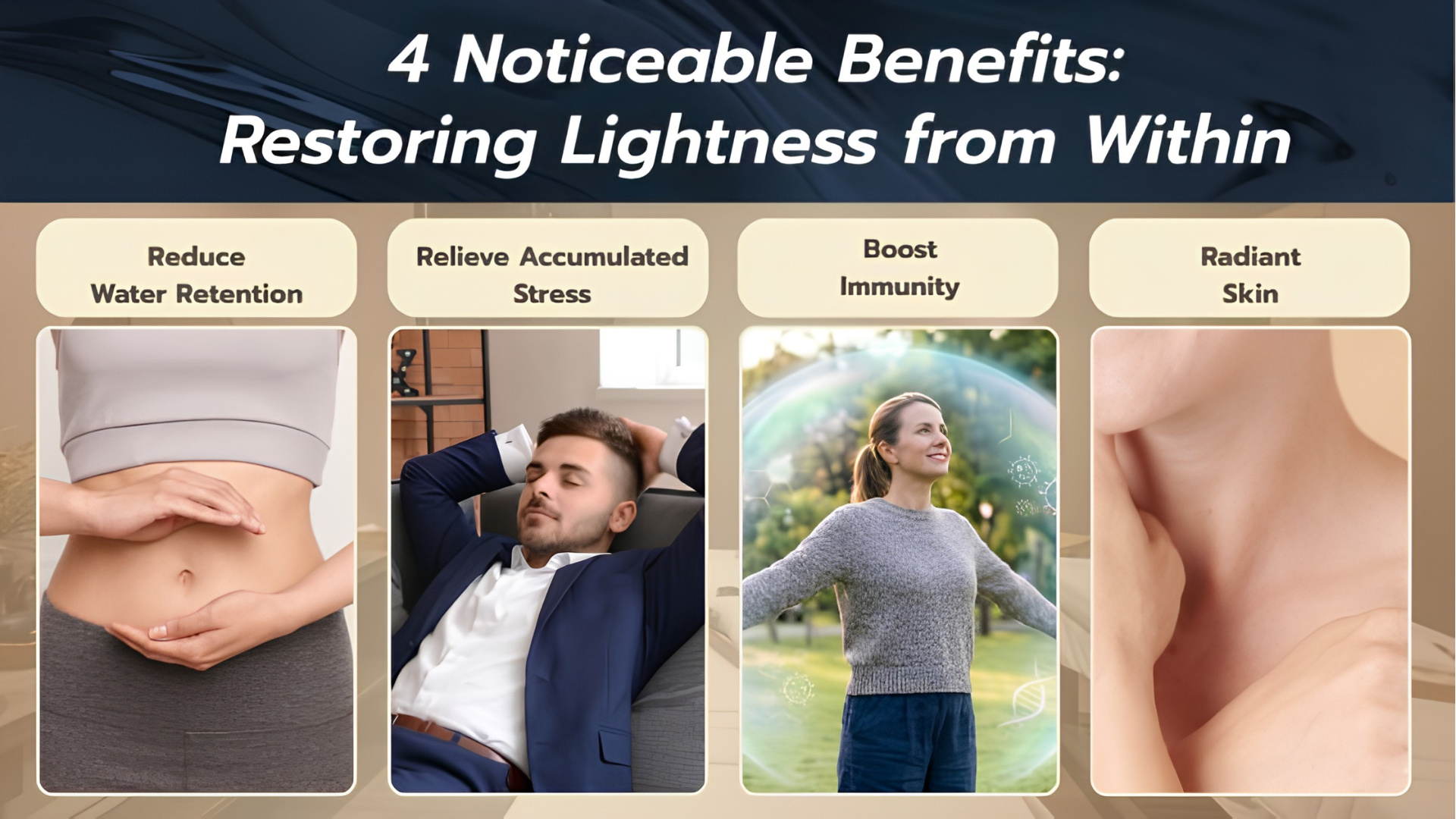
Lymphatic Drainage Massage not only supports physical appearance but also contributes to overall holistic well-being, offering the following benefits:
Reduce Water Retention:
Helps stimulate the drainage of excess fluids from areas such as the arms, legs, and face resulting in a more refined silhouette and a noticeable sense of lightness.
Relieve Accumulated Stress:
Support Immune Function:
Promote Radiant Skin:
A Perfect Complement to Systemic Detox

Lymphatic Drainage Massage is often recommended by wellness professionals as a complementary therapy alongside internal detox programs such as Colon Detox or the 3 Day System Reset.
This combination creates a synergistic effect: while internal programs help clear waste from the digestive system, lymphatic drainage supports the removal of excess fluids and residual waste through the body’s external pathways.
If your goal is to experience true rest one that delivers both deep relaxation and sustainable wellness results Lymphatic Drainage Massage at HydroHealth offers a refined and meaningful way to care for your body.
Restore balance. Reclaim lightness. Begin each day with renewed clarity and vitality.
Reference:
HydroHealth Lymphatic Drainage Massage
ArokaGO Providers HydroHealth Detoxification & Wellness Center
HYDROHEALTH DETOXIFICATION & WELLNESS CENTER
Share this article
More Articles
Discover more insights on health care and medical tourism.

Top 4 Romantic Beachfront Resorts in Samui with Private Pool Villas
Discover the top 4 romantic beachfront resorts in Samui with private pool villas. Explore luxury retreats like Melati Beach Resort & Spa and Chaweng Regent.

MTF Gender Affirmation Surgery at Asia Cosmetic Hospital: Options, Preparation, and Recovery
Choosing male-to-female gender affirmation surgery involves more than selecting a technique or scheduling an operation. Understanding the potential outcomes, limitations, risks, and aftercare can help you consider whether treatment fits your goals and circumstances.

9 Plastic Surgery Hospitals and Aesthetic Centers in Thailand to Explore on ArokaGO
Finding a plastic surgery hospital in Thailand often begins with a procedure in mind: a facelift, breast lift, rhinoplasty, or body contouring. Choosing where to receive treatment, however, involves more than reviewing photographs and comparing prices. Surgeon qualifications, treatment options, the actual treatment location, and postoperative care all deserve attention.