Can Stem Cells be Used to Treat Any Diseases?

Payao Poontarat, the first Thai Olympic hero with a bronze medal in the light flyweight, has undergone stem cell transplantation and benefited from the treatment before, though he later on died from complications of Amyotrophic Lateral Sclerosis (ALS). This is one of the interesting stories showing the major development of stem cell therapy and its potentials for treating diseases in Thailand.
Leukemia is a disease with high mortality risk. There are different types of treatments involved in combating leukemia which could be complicated. A stem cell transplant is one of the treatment alternatives to restore healthy bone marrow in patients with leukemia. According to the report from the Thailand Research Fund (TRF) in 2006, Siriraj Hospital doctors have used blood stem cells, also known as haematopoietic stem cells (HSC), to treat 400 patients with acute leukemia. As a result, haematopoietic stem cell transplantation has been shown to be effective with high cure rates, achieving about 70% and the patients without complications are fully recovered within 6 months.
Moreover, according to the data from the Thai Society of Hematology, bone marrow transplantation is also one of the curative treatments of thalassemia. Thalassemia, an inherited blood disorder causing the body to make fewer healthy red blood cells and less hemoglobin than normal, is commonly found in Thailand, approximately 400,000 patients. The signs and symptoms of thalassemia major appear within the first 3 years of life.
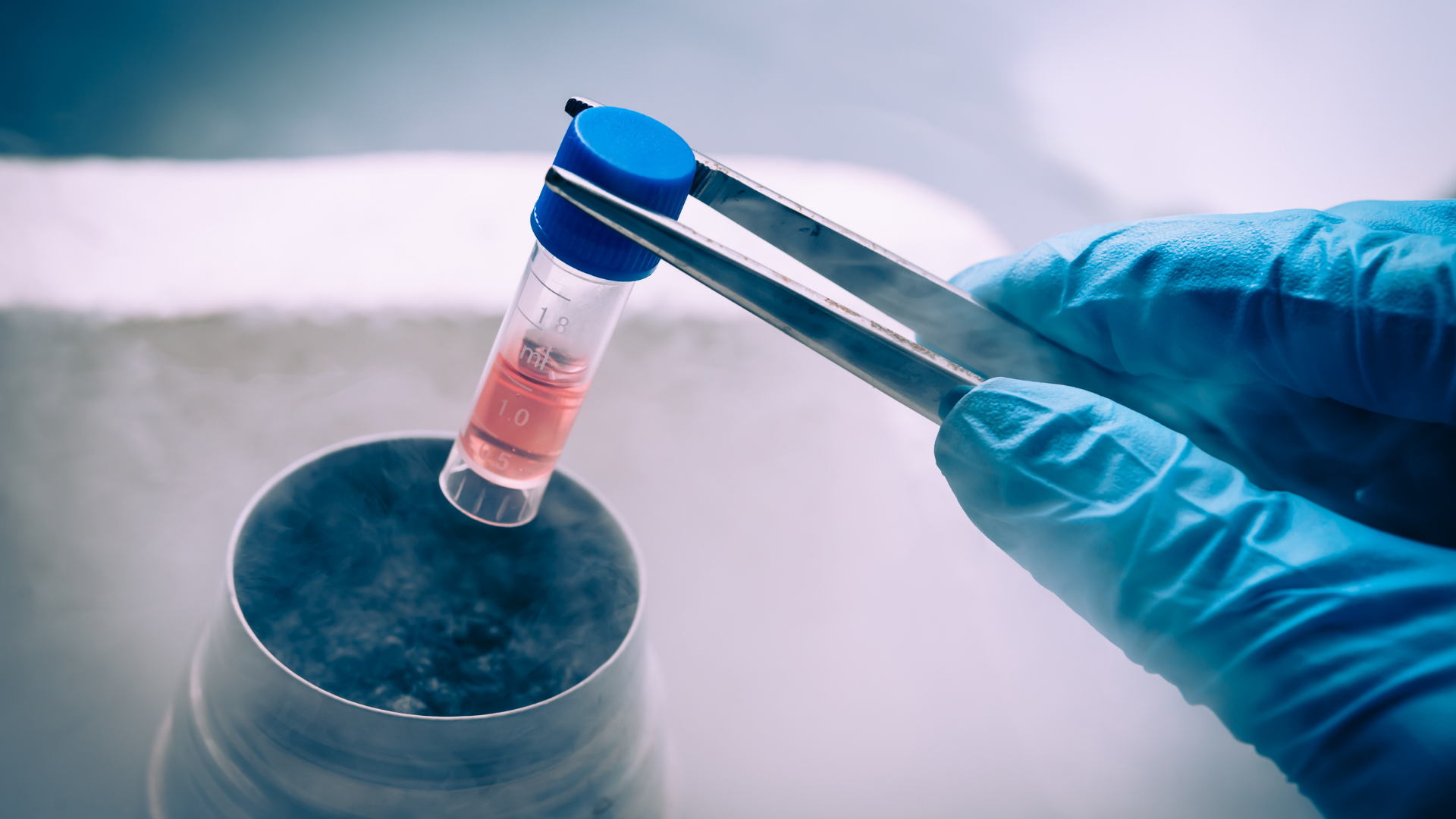
Most studies have shown that hematopoietic stem cell transplantation is a widely accepted therapy and its results have been proven satisfactory. To date, hematopoietic stem cell transplantation can be derived from 3 sources; umbilical cord blood, bone marrow, and peripheral blood.
Collecting stem cells from the placenta and the umbilical cord is considered as one component of family planning. It is one of the effective methods to lower the risk of serious health problems with the proven results.
Reference:
Stem cell for life Can Stem Cells be Used to Treat Any Diseases?
Stem cell for life
Share this article
More Articles
Discover more insights on health care and medical tourism.

PPOS: Innovative Approach to Ovarian Stimulation
PPOS (Progestin-primed Ovarian Stimulation) is a novel approach to stimulating ovulation in women undergoing procedures such as egg freezing or in-vitro fertilization (IVF).

Endometrial Microbiome and Its Correlation to Female Infertility
The human body hosts a vast number of natural microorganisms, collectively known as the microbiome, which includes bacteria, viruses, and fungi. Humans have co-evolved with these trillions of microorganisms, adapting to physiological changes over time.

PICSI – Another Way, Another Hope
Modern infertility treatments are increasingly enhanced by advanced technologies that significantly boost the chances of pregnancy. One widely used method is ICSI (Intracytoplasmic Sperm Injection), which allows for the selection of a single sperm to inject directly into the egg. [1,7] Since sperm quality plays a crucial role in fertilization and embryo development, ICSI has become an important tool in assisted reproduction. However, ICSI primarily selects sperm based on their morphology and motility, without insight into the sperm’s internal quality. This limitation has led to the development of an advanced technique known as PICSI, which helps further refine sperm selection, offering a promising solution for couples facing infertility caused by poor sperm quality.