Cardiac Echo (Echocardiogram): Key Benefits of Heart Ultrasound

The heart is a vital organ that works continuously 24 hours a day to pump blood throughout the body. But how can we know whether the heart is functioning efficiently and free from hidden abnormalities? A cardiac echo (echocardiogram), or heart ultrasound, is a medical technology that allows doctors to visualize the structure and function of the heart in real time. It enables detailed assessment of the heart muscle, heart valves, and blood flow. This helps detect abnormalities and potential risks at an early stage, allowing for appropriate preventive care planning before symptoms become more severe in the future.
What is a Cardiac Echo? Why Is It One of the Most Accurate Methods for Diagnosing Heart Disease?
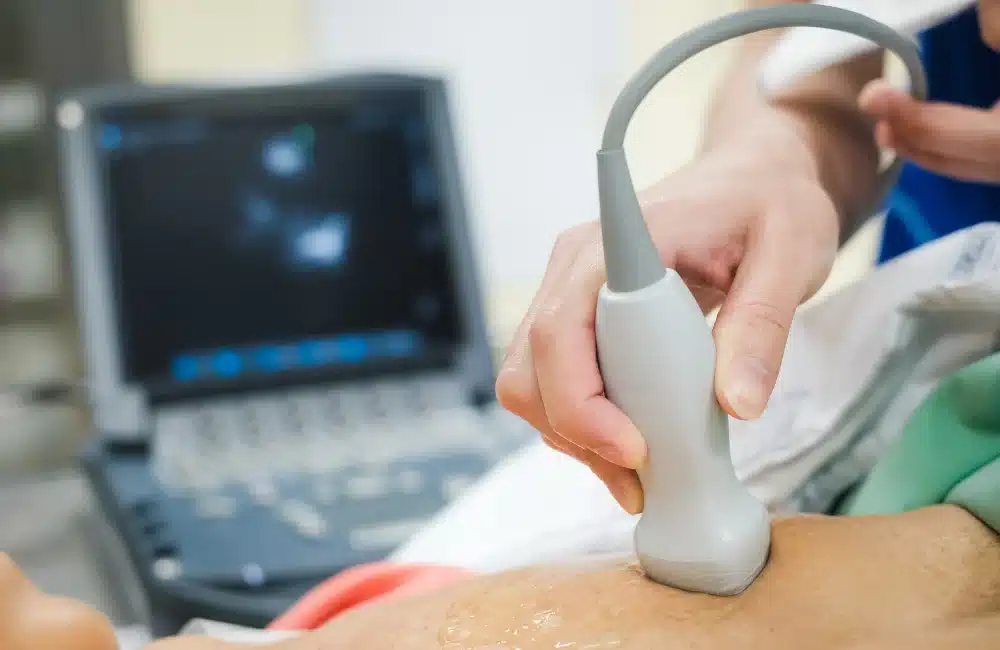
A cardiac echo (echocardiogram) is a diagnostic test that uses high-frequency sound waves (ultrasound) to examine the heart. The sound waves are transmitted through the chest wall to the heart, and the reflected signals are converted into moving images on a computer screen.
This method allows doctors to evaluate heart function in detail, providing clear visualization of the heart’s internal structures, including its size, contraction, and blood flow. It is a non-invasive procedure-patients do not experience pain, no blood is drawn, and no radiation is used.
Therefore, echocardiography is considered one of the most accurate and reliable methods for screening and diagnosing heart conditions in modern medicine.
How Does an Echocardiogram Work?
An echocardiogram uses sound waves (ultrasound) to generate 2D or 3D images of the heart. These images allow doctors to evaluate key components of the heart, including:
Assessment of Heart Chamber Size and Structure (Heart Chambers)
Echocardiography allows doctors to clearly evaluate the size and structure of all four heart chambers, determining whether they are proportionate or show abnormalities. Conditions such as an enlarged heart or thickened heart walls may indicate that the heart has been working excessively over a long period. This information is valuable for assessing the risk of cardiovascular diseases and conditions related to long-term high blood pressure.
Evaluation of Heart Valve Function (Heart Valves)
Heart valves play a crucial role in controlling the direction of blood flow within the heart. An echocardiogram enables doctors to observe how each valve opens and closes, assessing whether they function properly. It can also detect conditions such as valve regurgitation (leakage) or valve stenosis (narrowing), which, if left untreated, may affect heart function in the long term.
Measurement of Pumping Efficiency (Ejection Fraction - EF)
The ejection fraction (EF) is a key indicator used to assess how effectively the heart pumps blood throughout the body. An echocardiogram can calculate this value, helping doctors evaluate the performance of the heart muscle. If the EF is lower than normal, it may indicate reduced heart function and the need for further monitoring or treatment.
Detection of Blood Clots, Tumors, and Abnormalities of the Heart Muscle Wall
Echocardiography can help detect abnormalities within the heart, such as blood clots, tumors, or fluid accumulation in the pericardial sac. These conditions may impact heart function or increase the risk of complications. Early detection allows for appropriate monitoring and timely medical management.
Top 5 Benefits of an Echocardiogram for Long-Term Heart Health Planning
An echocardiogram (cardiac echo) is not only useful for patients with symptoms, but also plays a key role in helping both patients and doctors plan appropriate treatment and long-term heart care:
- Accurate diagnosis: Helps doctors clearly identify the cause of symptoms such as chest pain or fatigue by assessing heart function in detail
- Pre-surgical risk assessment: Evaluates heart readiness before major surgery to reduce risks during and after the procedure
- Monitoring treatment progress: Tracks changes in heart function to assess the effectiveness of ongoing treatment
- Reducing the risk of stroke: Detects conditions that may increase the risk of blood clots, which are associated with cerebrovascular diseases
- Supporting advanced treatment planning: Provides essential data for planning heart care alongside other innovations or treatments, such as EECP (Enhanced External Counterpulsation), a non-invasive therapy that improves blood circulation and cardiac function
Who Should Get an Echocardiogram? Recognize the Warning Signs Before It’s Too Late
An echocardiogram (cardiac echo) is not only for those with severe symptoms. If you experience any warning signs or fall into the following risk groups, you should consult a doctor promptly:
- Individuals with chest pain or unusual shortness of breath during exertion
If you feel more easily fatigued than usual when climbing stairs, or experience chest tightness or pressure, this may be an important sign that your heart is not pumping efficiently.
- Individuals with abnormal heart sounds (Heart Murmur) detected during a physical examination
Routine check-ups may reveal a “heart murmur,” which is often associated with abnormal heart valve function. An echocardiogram is the most effective way to confirm the severity of the condition.
- Patients with NCDs (Non-Communicable Diseases) such as hypertension, diabetes, and high cholesterol
These chronic conditions directly affect the heart muscle and blood vessels. Additionally, if you experience persistent body aches that impact your daily life, it is advisable to consult an orthopedic clinic to differentiate between musculoskeletal pain and fatigue related to heart conditions.

Article Summary
An echocardiogram (cardiac echo) is a comprehensive diagnostic tool that evaluates both the structure and function of the heart, including the heart muscle, heart valves, and blood circulation. The information obtained is valuable for diagnosis, monitoring treatment outcomes, and planning long-term heart health care.
At KLOSS Clinic, we specialize in musculoskeletal care, focusing on bones, joints, and muscles. We emphasize a comprehensive health assessment before any treatment, procedure, or rehabilitation plan. Having echocardiogram results allows our medical team to evaluate cardiovascular readiness alongside musculoskeletal treatment, ensuring that care is safe, appropriate, and tailored to each individual’s overall health condition.
Source : klosswellnessclinic
Kloss Wellness Clinic
Share this article
More Articles
Discover more insights on health care and medical tourism.

Songkran Warning: How to Prevent and Handle “Shoe Suction” Injuries During Water Festival Celebrations
As Thailand celebrates Songkran, many festival-goers are enjoying water splashing in the streets, but one surprisingly common issue keeps returning every year, the so-called “shoe suction” problem, when wet slip-on sandals or rubber shoes become stuck tightly to the foot or ankle after prolonged exposure to water.

Office Syndrome: A Common Health Problem Among Modern Workers
In an era when working in front of a computer has become part of everyday life, Office Syndrome has emerged as one of the most common health concerns among working-age adults.

Urine does not flow, cannot hold urine
Urine does not flow, cannot hold urine, check urgently before it becomes an enlarged prostate or BPH (Benign Prostate Hyperplasia).