Cell Therapy in Thailand: A Guide to Mesenchymal Stromal Cells (MSCs) and Personalized Regenerative Care

Cell therapy is an evolving field within regenerative medicine that investigates how cells and cell-derived biological mechanisms may support tissue repair, immune regulation, and recovery.
Among the most extensively studied cell types are Mesenchymal Stromal Cells (MSCs). Research has explored their potential roles in modulating immune responses, regulating inflammatory processes, and releasing bioactive molecules involved in cellular communication and tissue repair (Alvites et al., 2022; Han et al., 2025; Zhou et al., 2019).
In Thailand, interest in cell therapy and regenerative medicine continues to grow among individuals seeking personalized approaches to health, rehabilitation, and healthy aging. However, cell-based interventions require careful medical assessment, appropriate patient selection, quality-controlled cell preparation, and physician supervision.
This guide explains how MSCs work, the areas in which they are currently being studied, why cell quality matters, and what patients should consider when exploring Cell Therapy in Thailand.
What Is Cell Therapy?
Cell therapy refers to the use of living cells as part of a medical or regenerative approach, with the aim of influencing biological processes involved in tissue function, repair, or recovery.
Different types of cells may be used or investigated depending on the clinical context. One of the most widely researched groups is Mesenchymal Stromal Cells (MSCs), sometimes referred to in scientific literature as mesenchymal stem/stromal cells.
MSCs have attracted considerable research interest because of their ability to interact with surrounding cells and release biologically active molecules associated with immune modulation, inflammatory regulation, tissue repair, and vascular responses.
Importantly, research into MSCs varies considerably by medical condition, cell source, preparation method, dosage, route of administration, and patient population. Evidence from one condition therefore cannot automatically be applied to another.

What Are Mesenchymal Stromal Cells (MSCs)?
Mesenchymal Stromal Cells are multipotent cells that have been extensively investigated in regenerative medicine for their biological signaling and immunomodulatory properties.
Although MSCs are often discussed in relation to their ability to differentiate into certain cell types, much of their potential biological activity is thought to occur through communication with other cells.
This process is known as paracrine signaling.
MSCs can release bioactive substances such as:
- Cytokines
- Growth factors
- Extracellular vesicles
- Other signaling molecules
These substances participate in cell-to-cell communication and may influence biological processes involved in inflammation, immune regulation, vascular responses, and tissue repair (Alvites et al., 2022; Zhou et al., 2019).
How Do MSCs Work in the Body?
MSCs are being investigated for their ability to influence the biological environment surrounding damaged, inflamed, or stressed tissues.
Through paracrine signaling and interactions with other cells, MSCs may contribute to several biological processes, including:
- Modulating immune responses
- Regulating inflammatory signaling
- Supporting tissue-repair mechanisms
- Supporting angiogenesis and vascular responses
- Creating a biological environment conducive to cellular recovery
- Influencing the activity of resident cells within tissues
MSCs can also interact with immune cells such as T cells, B cells, macrophages, and natural killer cells, which helps explain the considerable scientific interest in their potential immunomodulatory effects (Alvites et al., 2022; Han et al., 2025).
These mechanisms remain active areas of scientific and clinical research. Their relevance and potential clinical benefit depend on the specific medical condition and individual patient factors.
What Is MSC Therapy Being Studied For?
Research into MSC-based therapies spans multiple areas of medicine. Some of the most extensively investigated applications include musculoskeletal conditions, immune and inflammatory processes, neurological recovery, and liver disease.
1. MSC Therapy for Knee Osteoarthritis and Cartilage Health
Knee osteoarthritis is a complex condition involving cartilage degeneration, changes in surrounding joint structures, and inflammatory processes.
Symptoms may include:
- Knee pain
- Joint stiffness
- Reduced range of motion
- Difficulty walking or exercising
- Reduced mobility and quality of life
MSCs have been investigated for their potential effects on inflammatory signaling and the biological environment within osteoarthritic joints.
A 2024 systematic review and meta-analysis of randomized controlled trials reported that participants receiving MSC-based interventions tended to report improvements in pain at 12-month follow-up, while the analysis found no significant difference in adverse events compared with control groups (Tabet et al., 2024).
These findings should not be interpreted as evidence that MSC therapy can cure osteoarthritis or regenerate cartilage in every patient. Treatment outcomes and appropriateness depend on disease severity, individual health factors, treatment protocols, and other aspects of care.
Individuals experiencing persistent knee pain, stiffness, or declining mobility should first undergo an appropriate medical and musculoskeletal assessment.
2. MSCs, Immune Regulation, and Inflammation
Chronic or dysregulated inflammation is involved in many health conditions and may influence recovery and tissue function.
MSCs have demonstrated interactions with several components of the immune system, including T cells, B cells, macrophages, and natural killer cells. Their immunomodulatory properties have therefore become an important area of laboratory and clinical research (Alvites et al., 2022; Han et al., 2025).
However, the presence of inflammation alone does not mean that an individual is an appropriate candidate for MSC therapy.
At Karnesh Wellness & Cell Revitalization Center, assessment may include medical history, underlying conditions, laboratory findings, previous treatments, current health status, and individual health objectives before a personalized care plan is considered.
3. MSC Therapy and Neurological Recovery After Stroke
Recovery following stroke can involve complex interactions among neuroinflammation, blood flow, neurological adaptation, rehabilitation, and overall health.
Researchers have investigated MSCs for their potential roles in:
- Modulating neuroinflammatory processes
- Supporting vascular responses
- Influencing cellular signaling
- Creating an environment potentially supportive of neurological recovery
Clinical research continues to examine MSC-based interventions in people who have experienced ischemic stroke, including their safety, administration methods, optimal timing, and potential effects on functional outcomes (Gallego et al., 2024).
MSC therapy should not be considered a replacement for established stroke treatment or rehabilitation.
Where medically appropriate, regenerative approaches may be considered as part of a broader care plan involving physical therapy, mobility rehabilitation, nutritional support, and other physician-directed interventions.
4. MSC Therapy and Liver Health
The liver performs essential functions involving metabolism, detoxification, protein synthesis, and numerous physiological processes.
Chronic liver injury may lead to inflammation, fibrosis, and progressive impairment of liver function. Researchers have therefore investigated MSCs for their potential influence on inflammatory and fibrotic processes and their possible role in supporting the biological environment of liver tissue.
A systematic review and meta-analysis by Lu et al. (2023) found that MSC therapy was associated with changes in certain liver-related clinical indicators, including albumin levels and MELD scores, among patients with liver cirrhosis included in the analyzed studies.
Further research remains necessary to determine which patients may benefit, as well as appropriate cell sources, protocols, dosages, and long-term outcomes.
People with fatty liver disease, abnormal liver function tests, cirrhosis, or other liver conditions should undergo comprehensive medical evaluation before considering any regenerative intervention.
5. MSCs for Musculoskeletal and Tissue Recovery
MSCs are also being investigated across several areas of musculoskeletal and sports medicine, including:
- Tendon injuries
- Cartilage damage
- Joint disorders
- Recovery following musculoskeletal injury
- Muscle rehabilitation
- Mobility restoration
Regenerative medicine should not necessarily be viewed as a single procedure.
Depending on the individual, a comprehensive program may involve physical rehabilitation, appropriate exercise, nutritional support, sleep management, lifestyle modification, and other medical interventions alongside any cell-based approach.
Why Is Cell Quality Important in Cell Therapy?
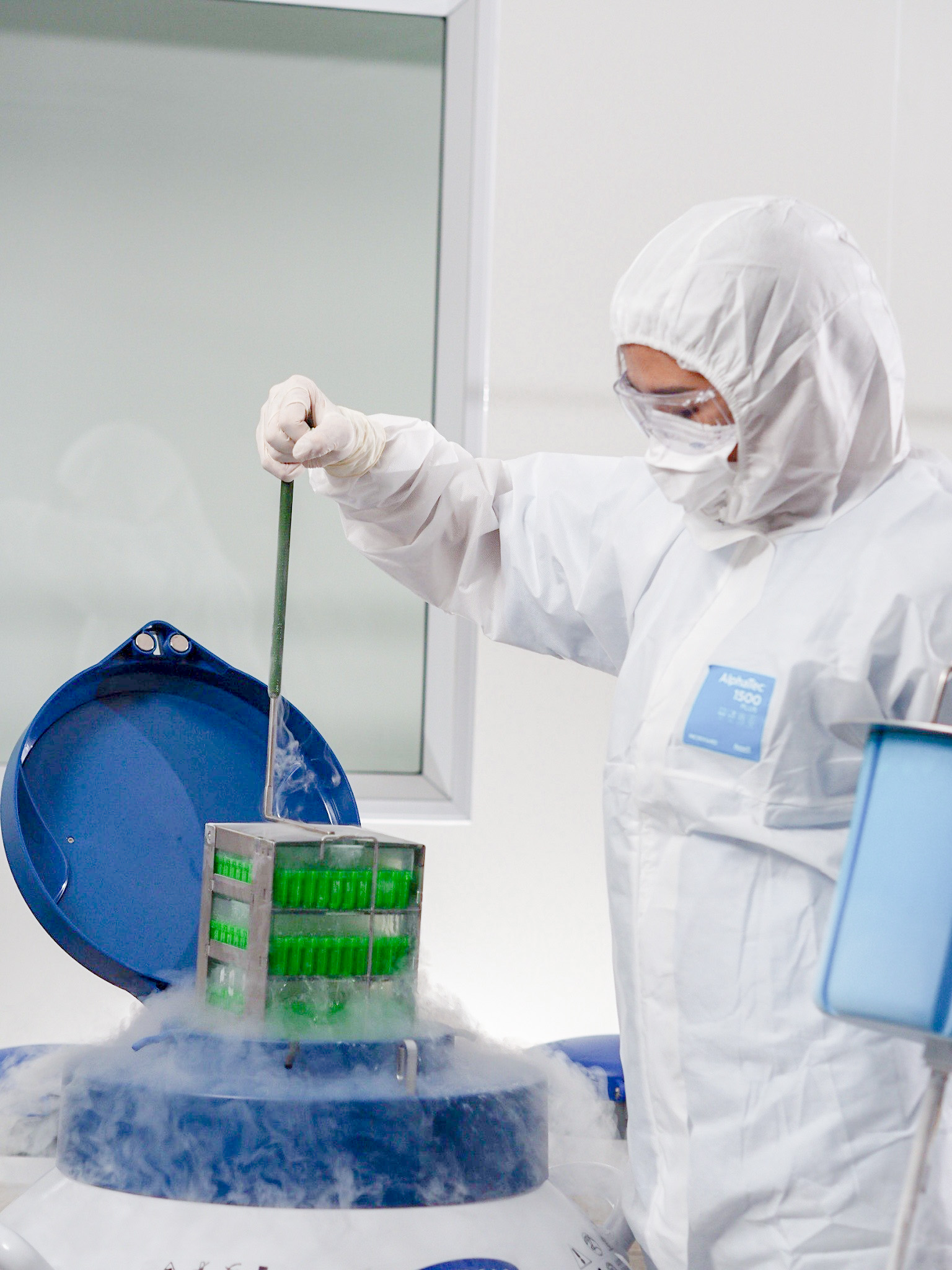
Cell quality is a critical consideration in cell-based interventions because biological characteristics can vary according to cell source, donor characteristics, manufacturing processes, culture conditions, storage, and transportation.
The number of cells alone does not determine the quality or potential suitability of a cell therapy program.
Quality-control processes may include:
- Cell identity and characterization
- Cell viability assessment
- Purity testing
- Bacterial and fungal contamination testing
- Mycoplasma testing
- Endotoxin testing
- Batch traceability
- Controlled storage
- Controlled transportation
A comprehensive quality assurance system should cover the process from cell preparation through handling and administration.
Because cells obtained from different donors, sources, and manufacturing processes may have different biological characteristics, individuals considering Cell Therapy should evaluate more than price or advertised cell count.
The quality-control process, medical oversight, patient selection, treatment protocol, and follow-up system are also important considerations.
How Is Cell Therapy Personalized?
There is no single cell therapy protocol that is appropriate for every individual.
A personalized approach begins with determining whether a cell-based intervention is medically appropriate in the first place.
Factors that physicians may consider include:
- Medical history
- Current health status
- Underlying medical conditions
- Laboratory results
- Body weight and other physiological characteristics
- Previous treatments
- Medications
- The condition or health objective being evaluated
- Potential risks and contraindications
- Rehabilitation requirements
- Follow-up needs
Only after an appropriate assessment should the potential role, route of administration, protocol, and other aspects of a cell-based intervention be considered.
Personalized Cell Therapy at Karnesh Wellness & Cell Revitalization Center
At Karnesh Wellness & Cell Revitalization Center in Thailand, Cell Therapy is approached as part of a broader individualized healthcare process rather than as a standalone procedure.
Personalized Medical Assessment
Each program begins with an evaluation of the individual's health history, underlying conditions, laboratory findings, previous treatments, current health status, and health objectives.
The purpose of this assessment is both to determine suitability and to help physicians develop an individualized care strategy.
Quality-Focused Cell Therapy
Karnesh emphasizes considerations related to cell quality, viability, purity, safety, handling, and traceability as part of its approach to cell-based care.
Individualized Treatment Planning
Where Cell Therapy is considered appropriate, treatment planning is based on individual factors rather than applying the same protocol to every person.
Considerations may include overall health, body weight, the condition being evaluated, medical assessment, and the broader rehabilitation or wellness plan.
Integrated Regenerative Care
Depending on individual needs, Cell Therapy may form one component of a broader regenerative care program incorporating:
- Nutrition
- Sleep optimization
- Appropriate exercise
- Physical rehabilitation
- Lifestyle management
- Other physician-directed health interventions
This integrated approach recognizes that recovery and long-term health are influenced by multiple biological and lifestyle factors.
Continuous Monitoring and Follow-Up
Follow-up is an important part of individualized regenerative care.
Monitoring allows physicians to evaluate clinical changes, review relevant health indicators, assess individual responses, and modify the care plan when medically appropriate.
Private and Personalized Care
Karnesh provides consultations and care in a private environment designed for individuals seeking personalized medical and wellness services in Thailand.
The care pathway extends from initial assessment and physician consultation through treatment planning and follow-up.
What Should You Consider Before Choosing Cell Therapy in Thailand?
When considering Cell Therapy in Thailand, patients should look beyond the advertised number of cells or the cost of a treatment package.
Important questions include:
- Who determines whether I am an appropriate candidate?
- What type and source of cells are being considered?
- How are the cells characterized and quality tested?
- Is cell viability assessed?
- What contamination and safety tests are performed?
- Is there batch traceability?
- How are cells stored and transported?
- Who is responsible for medical supervision?
- What are the potential risks and limitations?
- What evidence exists for my specific condition?
- What follow-up is provided after treatment?
A reputable regenerative care pathway should provide transparent information and allow patients to discuss potential benefits, uncertainties, alternatives, and risks with an appropriately qualified physician.
Frequently Asked Questions About Cell Therapy in Thailand
What is Cell Therapy?
Cell therapy broadly refers to the use of living cells as part of a therapeutic or regenerative approach. Different types of cells and protocols are being investigated for different medical purposes. MSCs are among the most widely researched cells in regenerative medicine.
What are Mesenchymal Stromal Cells?
Mesenchymal Stromal Cells, or MSCs, are multipotent cells studied for their biological signaling, immunomodulatory properties, and potential roles in tissue-repair processes. Their effects are thought to involve paracrine signaling as well as interactions with surrounding cells.
Is MSC Therapy the Same as Stem Cell Therapy?
The terminology can overlap, and MSCs have historically been described as “mesenchymal stem cells.” However, Mesenchymal Stromal Cells is frequently used in scientific literature because many of their investigated effects appear to arise from signaling and immunomodulatory activity rather than simply differentiating into replacement tissue.
Can Cell Therapy Regenerate Damaged Tissue?
Research is investigating how MSCs and other cell-based approaches may influence tissue-repair processes. However, the ability to restore damaged tissue varies substantially by condition, treatment protocol, and individual patient factors. Cell Therapy should not be interpreted as guaranteeing tissue regeneration.
Can MSC Therapy Cure Knee Osteoarthritis?
Current evidence does not establish MSC Therapy as a guaranteed cure for knee osteoarthritis. Clinical research has reported potential improvements in outcomes such as pain and function in some study populations, but results vary and further research is ongoing.
Is Cell Therapy Used for Stroke Recovery?
MSCs are being investigated in clinical studies involving stroke recovery. Research is examining safety, administration methods, timing, and potential functional outcomes. Cell-based interventions should not replace established acute stroke treatment or evidence-based rehabilitation.
Is Cell Therapy Safe?
The safety profile depends on many factors, including the type and source of cells, manufacturing and quality-control processes, route of administration, medical condition, treatment protocol, and individual patient characteristics.
A physician should assess potential risks, contraindications, and expected benefits before any treatment decision.
How Many Cells Do I Need?
There is no universally appropriate number of cells for every individual or condition.
Cell quantity should not be used as the sole indicator of treatment quality. Any protocol should be determined according to the specific clinical context, available evidence, cell characteristics, individual health status, and physician assessment.
How Do I Choose a Cell Therapy Center in Thailand?
Consider the qualifications and medical oversight of the clinical team, patient assessment process, cell source, quality-control standards, cell viability and contamination testing, traceability, storage and transportation procedures, evidence supporting the proposed intervention, and follow-up care.
Price and advertised cell count should not be the only factors in the decision.
Start with a Comprehensive Medical Assessment
Cell Therapy is an evolving area of regenerative medicine with active research across musculoskeletal health, immunology, neurology, liver disease, and other fields.
For individuals considering Cell Therapy in Thailand, the first question should not simply be:
“How many cells should I receive?”
A more important question is:
“What aspects of my health require attention, and is a cell-based intervention appropriate for my individual condition?”
At Karnesh Wellness & Cell Revitalization Center, physicians and healthcare professionals provide individualized health assessments to determine appropriate options and, where medically suitable, develop a Personalized Cell Therapy Program aligned with the individual's health status and care objectives.
Karnesh Wellness & Cell Revitalization Center
Your Trusted Destination for Personalized Cell Therapy in Thailand.
Schedule a medical consultation and comprehensive health assessment to discuss whether regenerative care may be appropriate for your individual needs.
Medical Disclaimer
This article is provided for general educational and informational purposes only and does not constitute medical advice, diagnosis, or a recommendation for a specific treatment.
Cell-based therapies remain an evolving area of medicine, and the level of clinical evidence, regulatory status, indications, and availability may differ according to the specific therapy and medical condition.
Individual outcomes cannot be guaranteed and may vary according to health status, disease severity, treatment protocol, cell characteristics, and individual biological response.
Any consideration of Cell Therapy should be based on an individualized medical assessment, discussion of potential benefits and risks, available scientific evidence, appropriate alternatives, and supervision by a qualified physician.
References
- Alvites, R., Branquinho, M., Sousa, A. C., Lopes, B., Sousa, P., Maurício, A. C., & Mendonça, C. (2022). Mesenchymal stem/stromal cells and their paracrine activity—Immunomodulation mechanisms and clinical applications. International Journal of Molecular Sciences, 23(3), Article 1677. https://doi.org/10.3390/ijms23031677
- Gallego, E. M., Gallego, A., Cardona, D., & Rojas, M. (2024). Mesenchymal stem cell therapy in ischemic stroke trials: A comprehensive review. Stem Cell Research & Therapy, 15.
- Han, X., Wang, M., Wang, J., et al. (2025). Mesenchymal stem cells in treating human diseases. Signal Transduction and Targeted Therapy, 10.
- Lu, W., Qu, J., Yan, L., Tang, X., Wang, X., Ye, A., et al. (2023). Efficacy and safety of mesenchymal stem cell therapy in liver cirrhosis: A systematic review and meta-analysis. Stem Cell Research & Therapy, 14, Article 301. https://doi.org/10.1186/s13287-023-03518-x
- Tabet, C. G., Pacheco, R. L., Martimbianco, A. L. C., Riera, R., Hernandez, A. J., Bueno, D. F., & Fernandes, T. L. (2024). Advanced therapy with mesenchymal stromal cells for knee osteoarthritis: Systematic review and meta-analysis of randomized controlled trials. Journal of Orthopaedic Translation, 49, 96–108.
- Zhou, Y., Yamamoto, Y., Xiao, Z., & Ochiya, T. (2019). The immunomodulatory functions of mesenchymal stromal/stem cells mediated via paracrine activity. Journal of Clinical Medicine, 8(7), Article 1025. https://doi.org/10.3390/jcm8071025
Arokago Providers Karnesh Wellness Cell Revitalization Center
Karnesh Wellness
Share this article
More Articles
Discover more insights on health care and medical tourism.

What Is a SMAS Facelift? Understanding the Tissues Beneath the Skin
People researching facelift surgery often encounter SMAS facelift and wonder how it differs from tightening the skin alone. The term refers to a tissue layer beneath the skin that surgeons may address when planning facial lifting.

Blocked Fallopian Tubes + Poor Sperm A Twin Pregnancy Success Story.
Even with hydrosalpinx (fluid-filled, blocked fallopian tubes) combined with poor sperm quality, having a baby is still possible through IVF/ICSI. This is because the fertilization process bypasses the fallopian tubes entirely. However, before starting IVF, doctors often recommend surgically removing or clipping the affected fallopian tube to increase the chances of a successful pregnancy-just like this real case of a mother who finally conceived twins after a 3 year wait.

How Long Does ICSI Take? A Timeline from Your First Consultation to Pregnancy.
ICSI is one of the most popular assisted reproductive technologies for couples experiencing infertility. One of the most frequently asked questions is, “ How Long Does ICSI Take? ” or “How many months does ICSI take before knowing the result?” The answer is not simply one fixed number, but depends on several medical factors and each individual’s response to treatment.