Diabetic Retinal Disease and Phases of Diabetic Retinopathy

Diabetes is a widespread chronic condition, and some varieties of diabetes can be inherited. It is evident that diabetes is prevalent in many families. There are already more than 300 million diabetics globally. Diabetes affects 3.2 million Thai adults, or 6.4% of the adult population, and the number of sufferers continues to rise in all countries throughout the globe.
Diabetes is caused by prolonged elevated blood sugar levels in the body. This is caused by either insufficient insulin production by the pancreas or improper insulin response by the body's cells. Either of these conditions prevents the body from using blood sugar. If the blood sugar level is elevated for an extended period of time, it can cause vascular dysfunction that affects several organs, including the eyes.
Diabetic Retinopathy is a diabetic condition that can lead to visual loss or blindness. It is caused by sustained high blood sugar levels that damage retinal blood vessels. Depending on the severity of the disease, there are two main stages of diabetic retinopathy.
-
Non-proliferative Diabetic Retinopathy (NPDR) - This is a time during which the walls of the retinal blood vessels weaken, resulting in an aneurysm that can cause blood or fluid to flow into the retina, causing retinal edema.
-
2. Proliferative Diabetic Retinopathy (PDR) - It is a condition in which blood arteries get so blocked that regular blood flow is compromised. The blood supply to the retina is so abundant that new blood vessels are generated to replace the old ones. These newly produced blood vessels may not mature adequately, resulting in vitreous hemorrhage and fibrosis, which cause fibrous traction and result in retinal detachment. In addition, if new blood vessels form and restrict the outflow of aqueous humor, eye pressure rises, the optic nerve is damaged, and Neovascular Glaucoma develops.
In the early stages of diabetic retinopathy, symptoms and vision abnormalities may not be present. This renders the patient oblivious to the need for an eye exam, and he or she neglects to obtain one until the onset of diabetes.
-
The following are possible symptoms:
-
Notice floating specks or cobweb-like black lines
-
View distorted pictures
-
Vision impairment, hazy vision and unsteady vision
-
Notice colors appear faded
-
View some dark areas in field of vision
-
Loss of sight
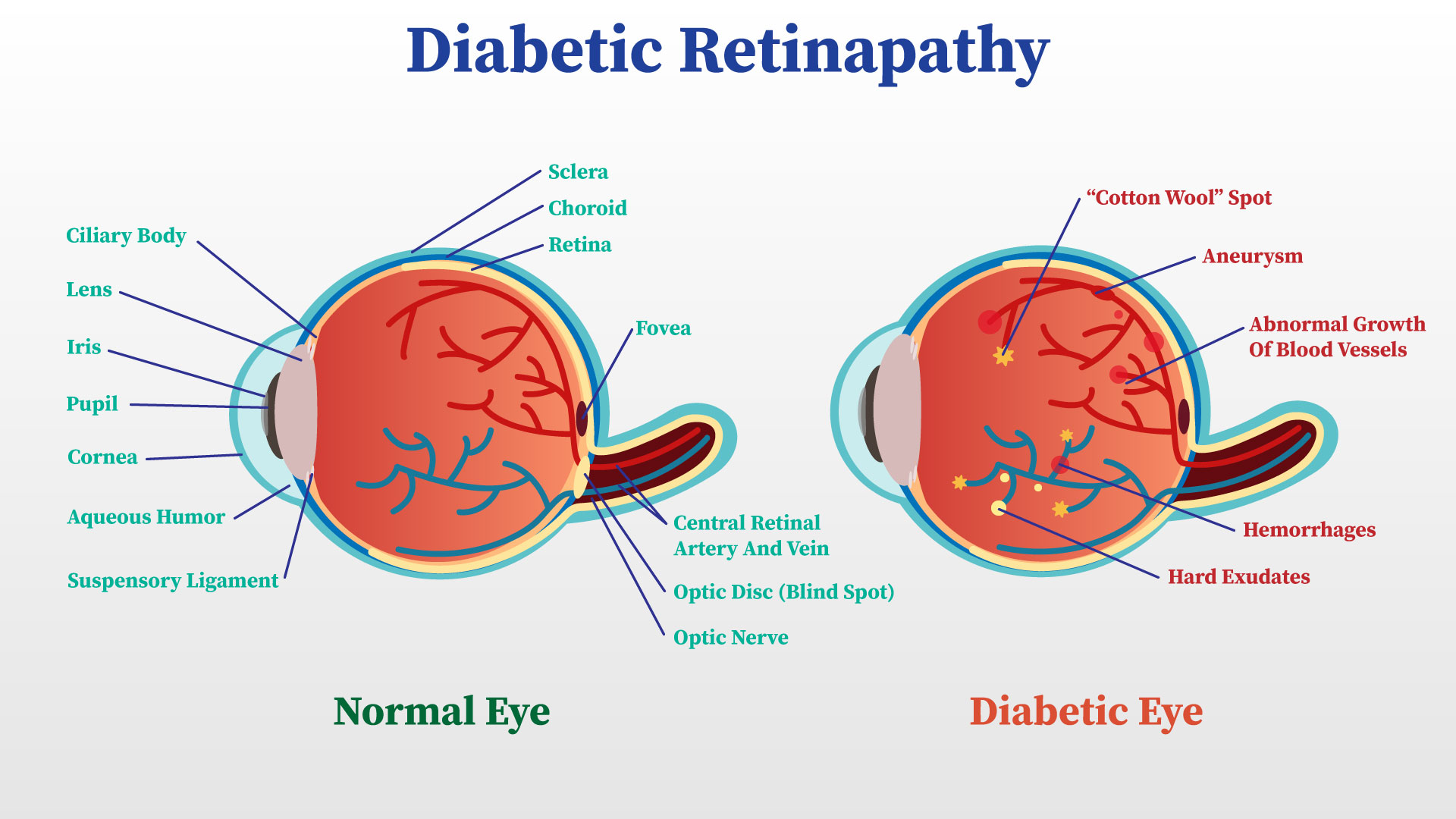
Importantly, even in extreme phases, there may be no aberrant symptoms in some patients. Therefore, I would advise those with diabetes or who have a diabetic family member to avoid complacency. Even if there are no odd symptoms, you should obtain an eye exam to screen for diabetic retinopathy at least once a year. If left untreated, diabetic retinopathy can cause vision loss to the point of permanent blindness. The physician was incapable of restoring vision. Nevertheless, the retina is a delicate organ. Consequently, injured or defunct retinal photoreceptor cells cannot be repaired in any way.
References:
Pimolrat, เบาหวานขึ้นตา ดูแลให้ดีก่อนสูญเสียการมองเห็น, Diseases & Treatments, Bangkok Hospital, 2022, https://www.bangkokhospital.com/content/diabetic-retinopathy, (accessed 15 December 2022)
Share this article
More Articles
Discover more insights on health care and medical tourism.

Waking Up Tired? It Could Be a Sign of Adrenal Fatigue
Every morning, your adrenal glands quietly get to work producing the hormones that help you feel refreshed and ready to take on the day, whether that's a busy schedule at the office or simply the energy to enjoy your morning routine. So when a bright, easy start to the day starts to feel harder to come by, and even things you usually enjoy feel like an effort, it's worth paying attention. This shift is often the body's way of asking for support a sign sometimes referred to as adrenal fatigue.

What are the Common Causes of Infertility?
Many people grow up looking forward to the day they can have children. However, many people find that they’re unable to have children no matter how hard they try. If you are having difficulty getting pregnant, the good news is that treatment is often available, meaning you can still have the family of your dreams. However, before you can treat infertility, you first need to know what is causing it, and there are several potential causes. There are numerous potential causes of infertility, and each can be treated in different ways, if at all. Below are some of the most common causes of all.

Thigh Liposuction
Thigh Liposuction, wave goodbye to big legs with the Liposuction method Have you ever dedicated yourself to heavy exercise, yet the fat around your thighs never seems to decrease? It is believed that many people who clicked to read this article are likely among those facing such issues, feeling more or less anxious about their body shape.