Gingivitis: Symptoms, Causes, and Effective Treatment Methods

Good oral health is an essential aspect of overall well-being that should never be overlooked, especially regarding common conditions like Gingivitis. If left untreated, it can lead to more severe oral health complications. This article provides a comprehensive overview of the causes, symptoms, treatments, and prevention strategies for gingivitis to help you maintain healthy gums and teeth.
What Is Gingivitis?
Gingivitis is an inflammation of the gingiva (gums), the soft tissue surrounding teeth and jawbones. It is a widespread oral condition that is typically mild in its early stages. With timely care and proper dental intervention, affected gum tissues can completely recover. However, neglecting gingivitis allows it to progress into periodontitis, a far more severe infection that can destroy supporting bone and lead to tooth loss.
Symptoms of Gingivitis
Healthy gums are generally pale pink, firm, and snugly fitted around teeth. When gingivitis develops, the following signs become noticeable:
- Red, Swollen Gums: Gums appear darker red than usual and look visibly swollen or puffy.
- Bleeding Gums: Gums bleed easily during routine brushing or flossing, even with light pressure.
- Tenderness: Feeling pain, irritation, or sensitivity when touching the gum line.
- Receding Gums: In some individuals, the gum tissue pulls away, exposing lower parts of the tooth roots.
- Persistent Bad Breath (Halitosis): Caused by bacterial accumulation within the mouth, a primary trigger of gum inflammation.
Causes of Gingivitis
Gingivitis primarily stems from inadequate daily oral hygiene, leading to the accumulation of bacteria and debris:
Dental Plaque
Plaque is an invisible, sticky biofilm formed when oral bacteria combine with starches and sugars from food. If not removed regularly through proper brushing, plaque rapidly and continuously adheres to tooth surfaces.
Tartar (Calculus)
Tartar occurs when unremoved plaque mineralizes and hardens on enamel surfaces, particularly along interdental spaces and gum lines. Tartar cannot be brushed away with a standard toothbrush and requires professional dental scaling. Heavy tartar accumulation continually irritates gum tissue, triggering persistent inflammation.
Gingival Sulcular Inflammation
As plaque and tartar persist over time, local tissue irritation manifests as redness, swelling, and easy bleeding. Without proper intervention, sulcular inflammation advances into destruction of the alveolar bone supporting the teeth, developing into periodontitis.
Risk Factors for Gingivitis
While gingivitis can affect individuals of any age, specific risk factors elevate susceptibility:
- Inadequate Oral Hygiene: Infrequent brushing or failing to use dental floss regularly.
- Dry Mouth (Xerostomia): Reduced salivary flow deprives the mouth of its natural cleansing mechanism.
- Smoking or Tobacco Use: Chemicals in tobacco damage gum tissues and reduce microvascular blood circulation.
- Vitamin C Deficiency: Impairs immune resilience and compromised capillary strength within gum tissues.
- Advanced Age: Elderly adults exhibit higher incidence rates of periodontal issues.
- Defective Restorations or Misaligned Teeth: Overhanging fillings or crowded teeth trap plaque and hinder cleaning access.
- Underlying Medical Conditions: Such as diabetes, leukemia, or immunocompromising diseases (e.g., HIV/AIDS).
- Medication Side Effects: Anti-seizure medications or calcium channel blockers for hypertension can induce gingival overgrowth.
- Hormonal Fluctuations: Significant shifts during pregnancy, menstruation, or oral contraceptive use increase tissue reactivity.
- Genetics: Inherited genetic predispositions can make certain individuals more vulnerable to bacterial inflammation.
Lifestyle Habits Influencing Gum Disease
Certain everyday habits directly contribute to the onset and progression of gingivitis:
- Improper Brushing Techniques: Failing to clear plaque along the gingival margin.
- Omitting Dental Floss: Brushing alone leaves interdental surfaces and subgingival areas uncleaned.
- High-Sugar Diets: Oral bacteria ferment dietary sugars to produce acids and plaque matrix.
- Skipping Dental Routine Check-Ups: Neglecting periodic professional cleanings permits tartar buildup.
- Alcohol Consumption: Alcohol contributes to dry mouth conditions and alters mucosal immunity.
Diagnostic Procedures for Gingivitis
Dentists perform detailed evaluations to accurately diagnose gingivitis and outline treatment:
1 Medical and Dental History: Reviewing general health, chronic medical conditions, lifestyle habits, and current prescription drugs.
2 Clinical Oral Examination: Inspecting teeth, gums, tongue, and cheeks for signs of plaque, calculus, and tissue inflammation.
3 Periodontal Probing: Inserting a calibrated periodontal probe gently into the sulcus around each tooth. Healthy sulcus depths range between 1–3 mm, whereas depths of 4 mm or greater signal inflammation or periodontal pocketing.
4 Dental Radiographs (X-rays): Recommended in cases with deep pocketing to assess whether alveolar bone loss has occurred.
5 Systemic Evaluations: Ordering supplementary tests or blood work when underlying systemic conditions are suspected.
How to Treat Gingivitis Effectively
Gingivitis treatment centers on removing primary biological irritants—plaque and tartar:
- Professional Dental Cleaning: Dental scaling and root planing clean away plaque, bacteria, and calcified tartar above and beneath the gum line. Root planing smooths root surfaces to prevent recurrent bacterial re-attachment.
- Dental Restoration Adjustments: Repairing defective fillings, cavities, or ill-fitting prosthetics that trap bacteria.
- Strict Home Oral Care: Following scaling, inflammation subsides rapidly when patients maintain rigorous daily oral hygiene based on dentist recommendations.
- Lifestyle Modifications: Quitting smoking and reducing sugar consumption to optimize long-term tissue healing.
Preventive Guidelines for Healthy Gums
Consistent daily hygiene habits offer the most effective defense against gingivitis:
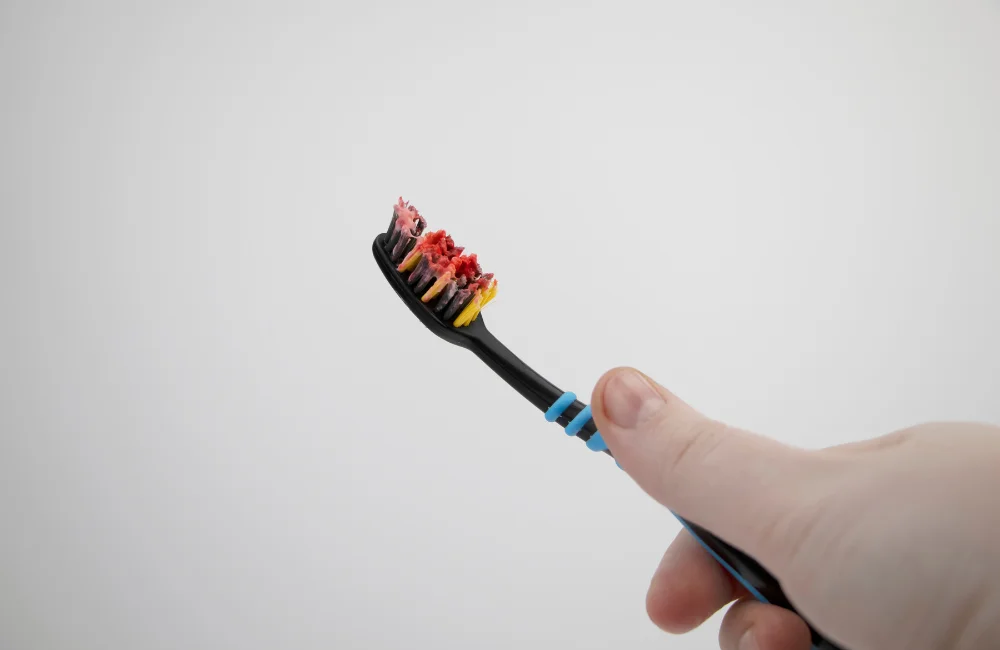
- Brush Thoroughly: Clean teeth at least twice daily or after meals using soft-bristled toothbrushes. Replace toothbrushes every 3–4 months or when bristles flare.
- Floss Daily: Use dental floss at least once a day before brushing to clean narrow interdental areas.
- Antiseptic Mouthwash: Incorporate therapeutic mouthrinses to suppress plaque bacteria.
- Schedule Regular Dental Check-Ups: Visit your dentist every 6 - 12 months for routine exams and scaling to catch issues early.
- Eat a Balanced Diet: Maintain good nutrition and manage blood sugar levels (for diabetic individuals) to support healthy tissues.
- Avoid Tobacco Products: Cessation significantly lowers risks for severe gum inflammation and periodontitis.
Summary: Maintaining Long-Term Oral Health
Gingivitis is a common oral health condition, but it is fully preventable and reversible with proper hygiene habits and regular professional care. If you notice bleeding or swollen gums, XDC Dental Clinic provides comprehensive dental services supervised by expert clinicians equipped with modern technologies to keep your smile healthy and vibrant.
Reference :
Translate By Arokago XDC Dental Clinic Gingivitis: Symptoms, Causes, and Effective Treatment Methods
XDC DENTAL CLINIC
Share this article
More Articles
Discover more insights on health care and medical tourism.

How Long Does ED Treatment Take? Understanding Realistic Recovery Timelines
How long does ED treatment take? Recovery timelines depend on the underlying cause, severity, and program design. Understand the typical 2–3 month framework used at PYONG MEN and the biology behind it. One of the most common questions men ask before starting care is straightforward: how long does ED treatment take? The honest answer is that recovery timelines depend on the underlying cause, the severity of the condition, and the type of program selected. This article explains the typical 2–3 month framework used at PYONG MEN, why structured biological recovery requires continuity rather than a single session, and which individual factors most influence the time it takes.

Parkinson Freezing of Gait: How Neurorehabilitation Supports Safer Walking
Freezing of gait is one of the most disruptive mobility symptoms associated with Parkinson’s disease. A person may intend to step forward but suddenly feel as though the feet are glued to the floor. The episode may last only seconds, yet it can interrupt daily routines, increase fall risk, and make the person afraid to walk independently. Medication review is important, but many patients also benefit from neurorehabilitation that addresses gait, balance, strength, turning, environmental triggers, and practical strategies for overcoming an episode safely.

Facet Joint Injection Aftercare: How to Reduce Recurring Spine Pain After Treatment
A facet joint injectionmay reduce pain arising from selected joints in the neck or lower back, but symptom relief does not automatically correct the movement, strength, or daily-load factors that may be contributing to the problem. The period of reduced pain can provide an opportunity to reassess movement and begin rehabilitation more comfortably. The objective is not to test the spine with as much activity as possible. It is to use the improvement carefully, rebuild capacity, and learn which factors may be linked to recurrence.