Insulin Resistance and Chronic Inflammation

The Overlooked Starting Point of Chronic Disease
What is Insulin Resistance?
Insulin resistance is a condition in which the body’s cells become less responsive to the hormone insulin, reducing its effectiveness. As a result, the body must produce more insulin to maintain normal blood glucose levels.
In the early stages, blood glucose levels may still appear normal, but insulin levels gradually rise. Once the body can no longer compensate, this may lead to prediabetes and eventually Type 2 diabetes mellitus.
Current evidence suggests that insulin resistance is not solely related to blood sugar regulation. It is also associated with chronic low-grade inflammation, an important mechanism linked to many chronic diseases.
What is Chronic Inflammation?
Inflammation is the body’s natural defence mechanism. When the body experiences injury, infection, or other stimuli, the immune system responds to protect and repair tissues.
However, when low-level inflammation persists over a prolonged period, it can lead to damage to cells, tissues, and blood vessels. This condition often produces no obvious symptoms in its early stages but may be detected through certain inflammatory markers, including:
- High-sensitivity C-reactive Protein (hs-CRP)
- Interleukin-6 (IL-6)
- Tumour Necrosis Factor-alpha (TNF-α)
How are Insulin Resistance and Chronic Inflammation Related?
Insulin resistance and chronic inflammation are closely interconnected. Each condition can promote the other, creating a vicious cycle that progressively impairs metabolic health and overall wellbeing.
1. Chronic inflammation may contribute to insulin resistance
When chronic inflammation occurs, the body releases increased amounts of inflammatory cytokines, including:
- CRP (C-Reactive Protein)
- TNF-α (Tumour Necrosis Factor-alpha)
- IL-6 (Interleukin-6)
These inflammatory substances can interfere with the function of insulin receptors, reducing cellular responsiveness to insulin. As a result, the body must produce more insulin to regulate blood glucose levels.
2. Insulin resistance may increase inflammation
Insulin resistance can lead to several metabolic abnormalities, including:
- Elevated blood glucose levels
- Chronically elevated insulin levels (hyperinsulinaemia)
- Increased abdominal fat accumulation (visceral fat)
Visceral fat is not merely an energy store. It also acts like an endocrine organ, releasing inflammatory substances such as TNF-α, IL-6, and MCP-1.
These inflammatory mediators further impair insulin signalling, causing cells to become increasingly resistant to insulin. Consequently, the body produces more insulin, leading to chronic hyperinsulinaemia and oxidative stress.
Persistent oxidative stress may impair mitochondrial function, damage blood vessels, and disrupt overall metabolism, thereby worsening insulin resistance and further promoting inflammation.
Additionally, prolonged high blood glucose levels can lead to the formation of Advanced Glycation End Products (AGEs). AGEs stimulate the immune system to release more inflammatory substances and accelerate the degeneration of various organs.
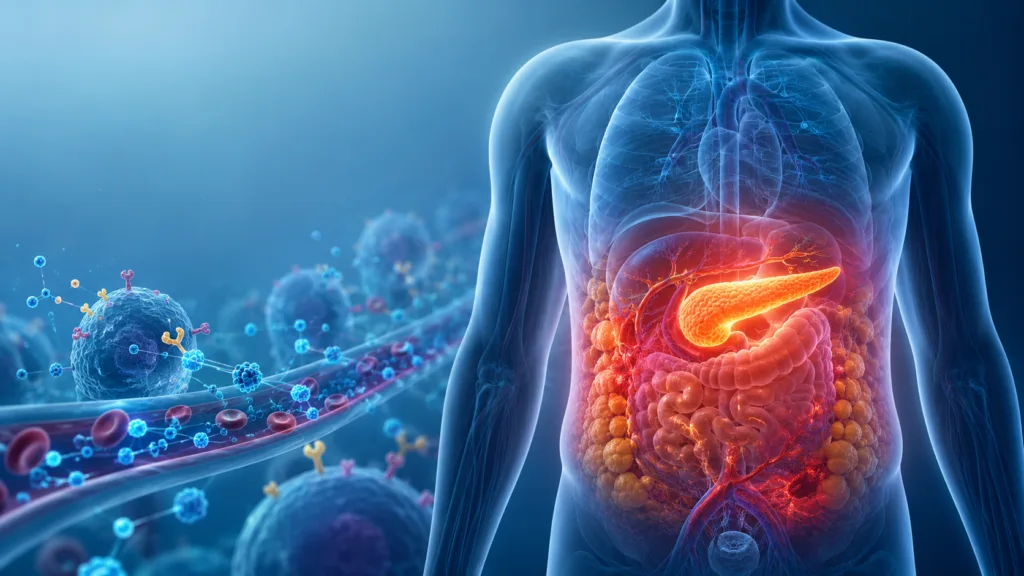
Chronic Diseases Associated with Insulin Resistance and Chronic Inflammation
When insulin resistance occurs alongside chronic inflammation, it may become a key underlying factor in several chronic diseases, including:
1. Type 2 diabetes mellitus
2. Cardiovascular disease
3. Atherosclerosis
4. Non-Alcoholic Fatty Liver Disease (NAFLD)
5. Dementia
6. Metabolic dysfunction
7. Accelerated ageing associated with chronic inflammation (Inflammaging)
8. Hormonal disorders, including:
- Polycystic Ovary Syndrome (PCOS) in women
- Low testosterone levels in men
- Fertility problems
Strategies to Reduce Insulin Resistance and Inflammation
Improving lifestyle habits plays a crucial role in reducing insulin resistance and chronic inflammation:
- Lose excess weight, particularly abdominal fat
- Exercise regularly, including both cardiovascular exercise and resistance training
- Aim for 7-8 hours of sleep each night
- Manage stress to help reduce cortisol levels
- Consume an anti-inflammatory diet, rich in vegetables, fruit, nuts, fish, and omega-3 fatty acids
- Reduce intake of sugar, refined carbohydrates, processed foods, and sugar-sweetened beverages
Summary
Insulin resistance is not only an early stage in the development of diabetes but also an important mechanism linking chronic inflammation throughout the body.
When insulin resistance and chronic inflammation occur together, they significantly increase the risk of chronic diseases such as cardiovascular disease, fatty liver disease, dementia, hormonal disorders, and accelerated ageing (inflammaging).
Early risk assessment, together with appropriate lifestyle modifications, is therefore essential for the long-term prevention of chronic disease.
Reference:
TLC Udon Lab Center Insulin Resistance and Chronic Inflammation
TLC Udon Lab Center
Share this article
More Articles
Discover more insights on health care and medical tourism.

What Is the Best Age for IVF?
Many women choose to delay pregnancy because of career goals, financial responsibilities, or personal circumstances.

When Your Body Needs More Than a Massage: The Story Behind Stretch me Clinic by Siam Wellness Group
Office workers who spend 8 - 10 hours a day sitting at their desks, recreational runners who train every weekend, and chefs or dentists who maintain the same posture throughout the day often share one question: "Why do my muscles still feel tight even after a massage?"

Scratched by a Dog or Cat Should You See a Doctor?
A small scratch from a dog or cat may seem harmless, especially when there is little or no bleeding. However, even a minor scratch that breaks the skin can carry a risk of infection, including rabies exposure.