Low Thyroid (Hypothyroidism): What Is It? Symptoms, Causes, and Treatment Methods

Easy fatigue, easy weight gain despite eating the same amount, feeling cold easily, and chronic constipation may be signs of hypothyroidism (Hypothyroidism) or hypo-thyroid, a condition in which the thyroid gland does not produce enough hormones to meet the body’s needs. This causes energy metabolism and the function of various organs to slow down. You should see a doctor promptly for treatment before it becomes severe.
What is hypothyroidism?
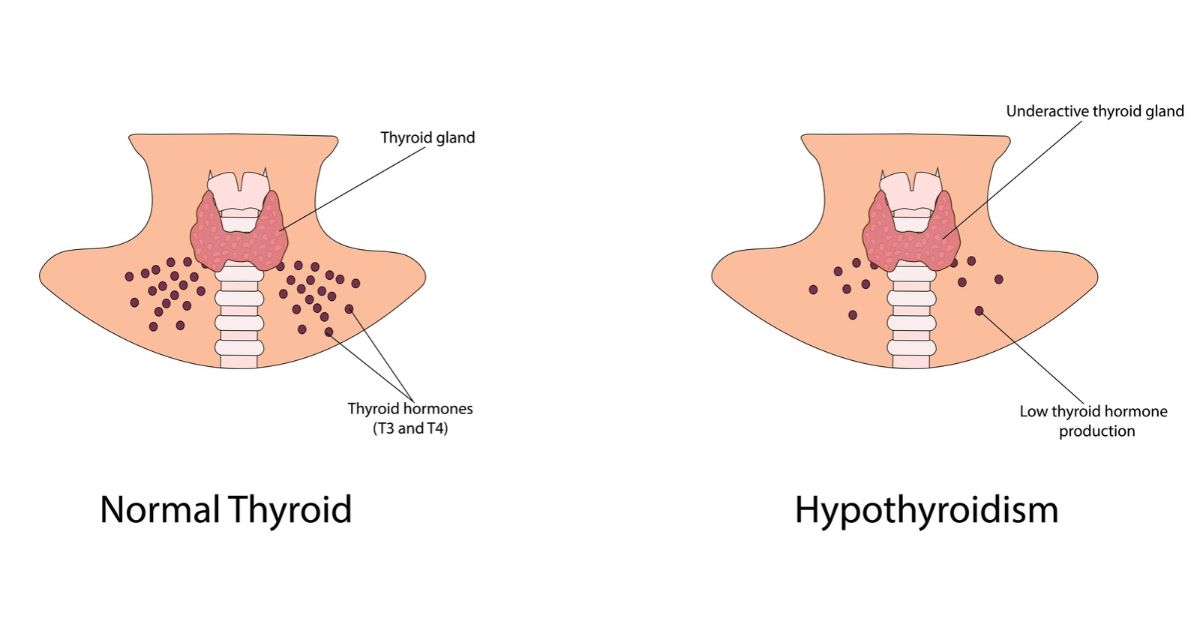
Hypothyroidism (Hypothyroidism) or hypo-thyroid is a condition in which the thyroid gland produces insufficient hormones to meet the body’s needs. The main related hormones are thyroxine (Thyroxine: T4) and triiodothyronine (Triiodothyronine: T3) , causing the metabolic system to slow down and various processes to slow down. It can occur in all sexes and ages, especially in women and older adults, with symptoms and severity varying among individuals.
What causes hypothyroidism?
- Hashimoto’s Thyroiditis chronic thyroid inflammation due to antibodies produced by the body that attack the thyroid gland is the most common cause of low thyroid hormone or hypothyroidism, leading to chronic thyroid inflammation and progressively decreased thyroid function.
- Inflammation of the thyroid gland causes stored hormones in the thyroid to leak out, raising hormone levels initially before they decline and result in hypothyroidism. It is often due to thyroid inflammation commonly caused by subacute thyroiditis (Subacute Thyroiditis) , which often occurs after a viral infection, prompting the body to create antibodies that attack the thyroid gland itself, or postpartum thyroid inflammation, which can lead to persistent hypothyroidism.
- Abnormalities of the pituitary gland (Pituitary Gland) or hypothalamus (Hypothalamus) which secrete hormones that stimulate the thyroid gland. When secretion is insufficient, it results in reduced thyroid hormone production by the thyroid gland.
- Insufficient iodine intake causes abnormal thyroid function because iodine is an essential precursor nutrient required for producing thyroid hormones.
- Thyroid surgery or treatment with radioactive iodine may leave insufficient thyroid tissue to produce hormones according to the body’s needs.
- Side effects of certain medications that interfere with thyroid hormone production such as heart medications, psychiatric medications, and cancer medications which must be used under a doctor’s supervision and guidance.
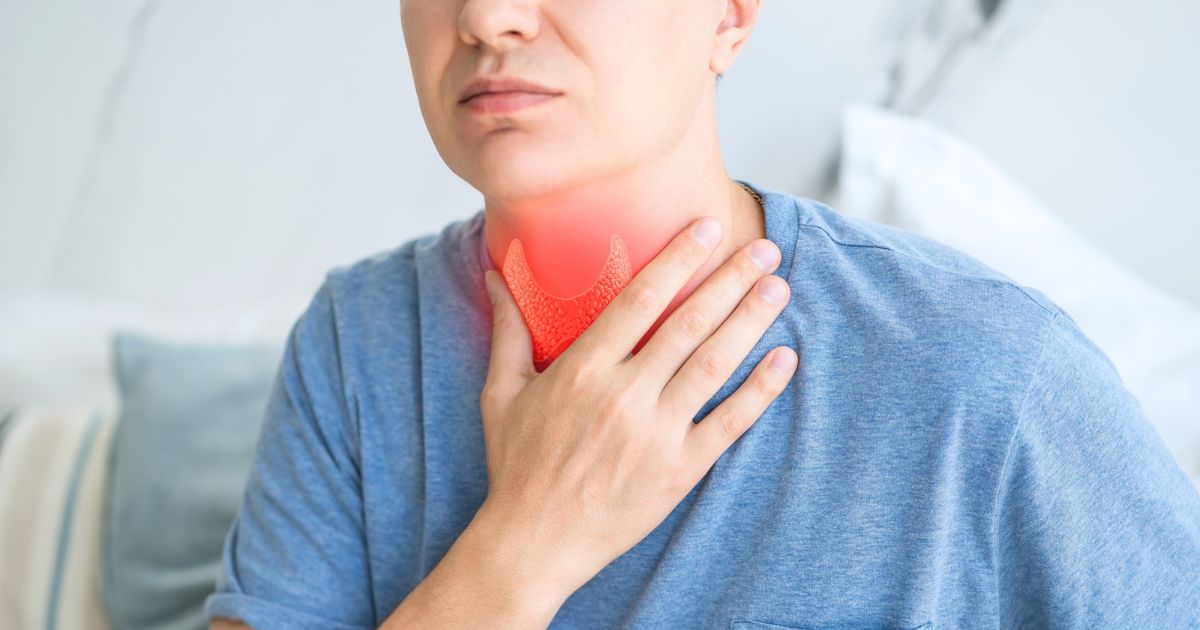
What are the symptoms of hypothyroidism?
- Easy fatigue, tiredness, lack of energy
- Weight gain or difficulty controlling weight
- Feeling cold more easily than usual
- Dry skin, dry hair, hair loss
- Chronic constipation
- Puffy face, body swelling, thickened skin
- Hoarseness
- Decreased memory, decreased concentration, mood changes
- Slower heart rate
- Muscle pain, joint pain, muscle weakness
- Irregular menstruation, infertility
- High blood lipids
- Drowsiness or changes in level of consciousness in very severe cases
Who is at risk of hypothyroidism?
- Women are at higher risk of hypothyroidism or hypo-thyroid than men; the risk increases with age.
- Those with a family history of thyroid disease
- Patients with autoimmune diseases (Autoimmune Diseases) such as type 1 diabetes and certain autoimmune disorders
- Those who have undergone thyroid surgery or treatment with radioactive iodine ingestion (Iodine-131 or I-131)
- Those who have received radiation therapy to the neck or chest area
- Women who became pregnant within the first 6 months or women in the postpartum period
- Those taking certain medications that affect thyroid function
- Older adults, who may also have depression or memory impairment
- Those with iodine deficiency or inadequate iodine intake
How is hypothyroidism diagnosed?
1 Test TSH (Thyroid – Stimulating Hormone) to measure pituitary gland function. A blood test is used to assess thyroid function. If the thyroid produces too little hormone, the pituitary gland increases TSH secretion to stimulate thyroid function.
2 Test F4 or T4 to assess thyroid hormone levels in the body, usually tested together with TSH to evaluate hypothyroidism.
How is hypothyroidism treated?
- Take thyroid hormone replacement medication to replace hormones that the body cannot produce sufficiently. Follow the doctor’s instructions; do not adjust the dose, stop the medication, or change the medication on your own even if symptoms improve.
- Have blood tests to monitor hormone levels according to the doctor’s appointments.
How should patients with hypothyroidism take care of themselves?
- Take medications as instructed by the doctor.
- Eat a balanced, varied diet and get an appropriate amount of iodine.
- Exercise appropriately according to physical condition and level of fatigue.
- Get enough rest. If extremely fatigued, consult a doctor for further evaluation.
- Follow up on hormone tests at every scheduled appointment.
- If planning pregnancy, consult a doctor before conception and follow closely.
How is hypothyroidism different from hyperthyroidism?
Hypothyroidism is a condition in which thyroid hormone is insufficient, slowing down bodily processes. Hyperthyroidism is a condition in which the body secretes too much thyroid hormone, causing the body’s metabolic system to work faster than normal.
Reference :
Bangkok Hospital Low Thyroid (Hypothyroidism): What Is It? Symptoms, Causes, and Treatment Methods
Independent Writer
Share this article
More Articles
Discover more insights on health care and medical tourism.

Immunotherapy for Cancer
Helping Your Immune System Fight Cancer What Is Immunotherapy? Immunotherapy is a type of cancer treatment that helps your immune system (your body’s natural defense) fight cancer. Unlike chemotherapy or radiation, which directly attack the cancer, immunotherapy trains or boosts your immune system so it can recognize and destroy cancer cells - just like it would attack viruses or bacteria.

V-Beam Laser for Rosacea and Facial Redness: Treatment, Results and Aftercare
Persistent facial redness can have several causes. Some people have rosacea, some have visible small blood vessels, while others are left with flat red marks after inflammatory acne has healed. Although these problems can look similar, they are not the same condition. Correct diagnosis matters because treatment should target the actual cause of the redness.

What causes palpitations - hyperthyroidism or an irregular heartbeat?
Palpitations and abnormally fast heartbeats can be caused by many factors, ranging from stress, insufficient rest, and drinking caffeinated beverages to thyroid hormone disorders and heart disease—especially hyperthyroidism and arrhythmia. These conditions have similar symptoms and can be difficult to distinguish, so you should observe and recognize the condition in order to cope properly.