Meningococcal Disease: What Are the Symptoms? A Severe Infection That Can Be Fatal Within 24 Hours

Meningococcal disease is a highly severe bacterial infection that can progress rapidly within 24 hours. Without timely treatment, it may lead to serious complications or even death.
This article will help you understand the symptoms, causes, prevention, and treatment, so you can recognize warning signs and respond appropriately.
What Causes Meningococcal Disease?
Meningococcal disease is caused by the bacterium Neisseria meningitidis, which spreads through:
๐ Coughing or sneezing
๐ Contact with saliva (e.g., sharing drinking glasses)
๐ Prolonged close contact
High - risk groups include:
๐ Young children and teenagers
๐ People living in crowded environments (e.g., dormitories, military camps)
๐ Individuals with weakened immune systems
Symptoms That Require Immediate Medical Attention
Common symptoms include:
๐ Fever
๐ Severe headache
๐ Vomiting
๐ Stiff neck
๐ Skin rash or bleeding spots (pink macules)
๐ Rapid progression to shock
There are two main clinical presentations:
1. Meningococcemia (Bloodstream Infection)
๐ Acute meningococcemia:
Sudden onset with headache, sore throat, and cough, followed by high fever, chills, joint and muscle pain (especially legs and back).
A rash may appear within 24–48 hours, later turning dark or forming black scabs.
๐ Chronic meningococcemia (rare):
Recurrent fever, rash, and joint pain lasting for weeks or months.
๐ Fulminant meningococcemia (severe form):
Rapid circulatory failure leading to shock and death within a short time. Often begins with high fever and extreme fatigue, progressing quickly without typical meningitis symptoms.
2. Meningitis (Inflammation of the Brain Lining)
๐ Fever
๐ Severe headache
๐ Stiff neck
๐ Confusion or drowsiness
๐ Rapid deterioration
๐ Possible bleeding spots on the skin
Danger Signs (Emergency Symptoms)
Seek immediate medical care if you experience:
๐ Stiff neck or inability to bend the neck
๐ Confusion, drowsiness, or unconsciousness
๐ Skin rash with bleeding spots
๐ Seizures
This disease can worsen within hours - do not delay treatment.
How Dangerous is Meningococcal Disease?
It can lead to severe complications such as:
๐ Meningitis
๐ Septicemia (blood infection)
๐ Hearing loss
๐ Brain damage
๐ Death
The mortality rate can be 10 - 15% even with treatment, and higher if treatment is delayed.
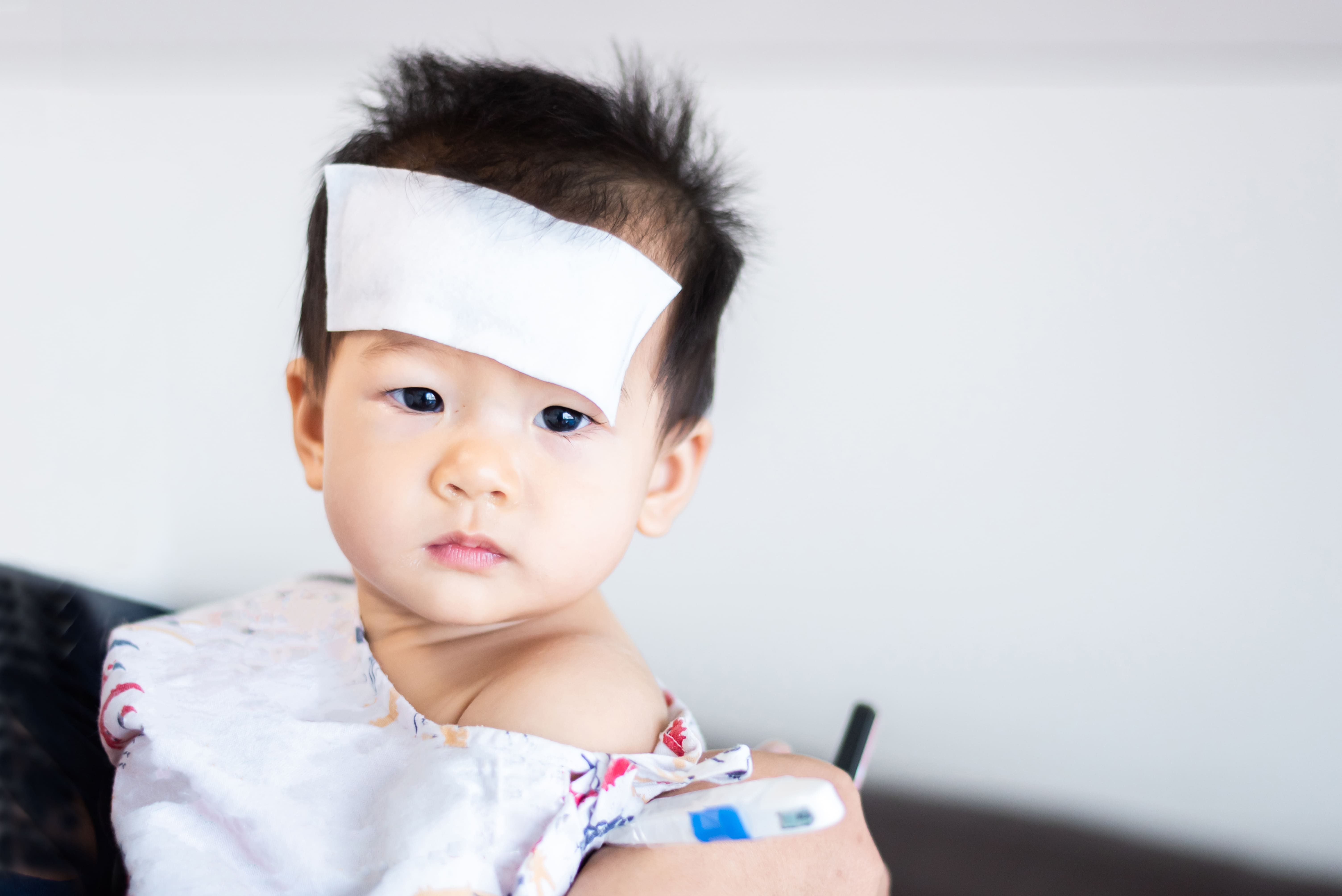
Meningococcal Disease in Children
Children are among the highest-risk groups due to their developing immune systems and close-contact environments such as schools and daycare centers.
How to Prevent Meningococcal Disease
Prevention methods include:
๐ Getting vaccinated against meningococcal disease
๐ Avoiding sharing personal items
๐ Washing hands regularly
๐ Wearing masks in crowded areas
Vaccination is recommended for:
๐ Children and adolescents
๐ Travelers
๐ High - risk individuals
Treatment for Meningococcal Disease
If suspected, doctors will provide urgent treatment, including:
- Intravenous antibiotics
- Intensive care (ICU) for severe cases
- Close monitoring for complications
The earlier the treatment, the higher the survival rate.
When Should You See a Doctor?
Seek medical attention immediately if you have:
- High fever with severe headache
- Stiff neck
- Confusion or behavioral changes
- Skin rash with bleeding
Stay Safe: Protect Yourself from Meningococcal Disease
Meningococcal disease is fast, severe, and life-threatening, but it is preventable with proper hygiene and vaccination.
If you experience unusual symptoms, consult a medical professional promptly—for your safety and that of your loved ones.
Frequently Asked Questions (FAQ)
Q: Is meningococcal disease contagious?
A: Yes. It spreads through respiratory droplets such as coughing, sneezing, or sharing utensils, especially in crowded environments like schools or dormitories.
Q: Can meningococcal disease be prevented?
A: Yes. Prevention includes:
๐ Regular handwashing
๐ Avoiding sharing personal items
๐ Wearing masks in crowded places
๐ Avoiding close contact with infected individuals
๐ Vaccination (highly effective, especially for high-risk groups)
Q: How important is the meningococcal vaccine?
A: The vaccine is highly important, especially for:
๐ Children and teenagers
๐ People in crowded environments
๐ Travelers
๐ Individuals with weakened immune systems
Vaccination significantly reduces both infection risk and disease severity.
Source : Princ Hospital Suvarnabhumi
**Translated and compiled by ArokaGO Content Team
PRINC Hospital Suvarnabhumi
Share this article
More Articles
Discover more insights on health care and medical tourism.

Songkran Warning: How to Prevent and Handle “Shoe Suction” Injuries During Water Festival Celebrations
As Thailand celebrates Songkran, many festival-goers are enjoying water splashing in the streets, but one surprisingly common issue keeps returning every year, the so-called “shoe suction” problem, when wet slip-on sandals or rubber shoes become stuck tightly to the foot or ankle after prolonged exposure to water.

Office Syndrome: A Common Health Problem Among Modern Workers
In an era when working in front of a computer has become part of everyday life, Office Syndrome has emerged as one of the most common health concerns among working-age adults.

Urine does not flow, cannot hold urine
Urine does not flow, cannot hold urine, check urgently before it becomes an enlarged prostate or BPH (Benign Prostate Hyperplasia).