How Can NK Cells Support Cancer Treatment?

Natural Killer (NK) cells are a type of white blood cell belonging to the innate immune system. They can recognize and destroy abnormal cells, including cancer cells, without requiring prior exposure to a specific target.
NK cells eliminate cancer cells through four main stages: Detection → Binding → Perforin and Granzyme Release → Apoptosis (Programmed Cell Death).
However, cancer cells can develop mechanisms to evade NK cell surveillance. This has led to growing interest in NK Cell Therapy, an immunotherapy approach in which NK cells may be collected from a patient's blood, expanded and activated in a laboratory, and then administered back into the body.
NK Cell Therapy is being investigated for its potential role as an adjunct to conventional cancer treatments, under the supervision of qualified medical specialists.
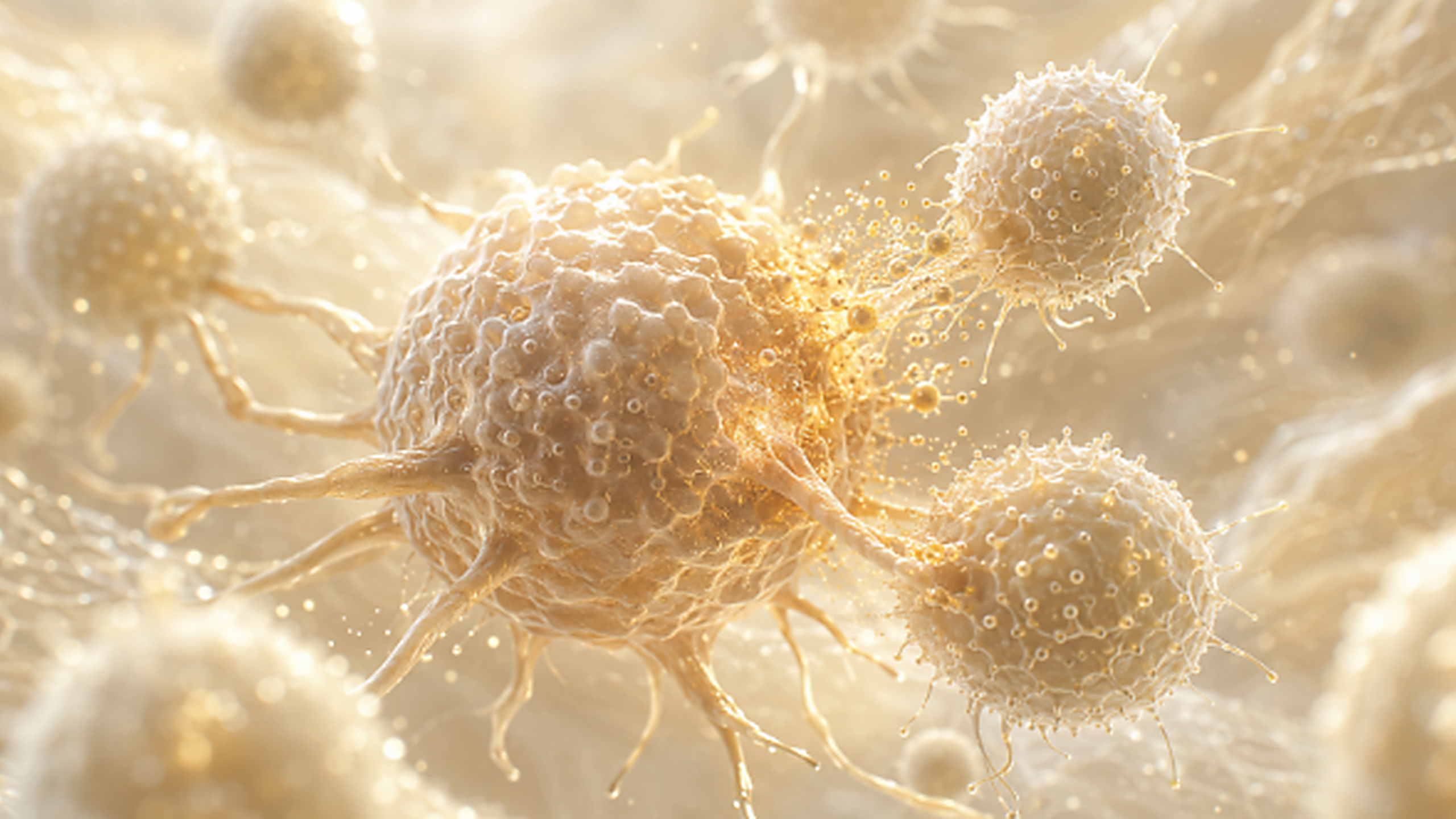
Why Can't the Immune System Eliminate All Cancer Cells?
Every day, abnormal cells may develop in the human body due to errors in cell division, age-related changes, or exposure to environmental factors.
Under normal circumstances, the immune system continuously monitors the body and identifies potentially harmful or abnormal cells before they develop into more serious health problems. This process can be compared to a surveillance team that constantly patrols the body, examining cells for signs of abnormality.
However, some abnormal cells can escape immune detection. They may alter their characteristics to resemble healthy cells or release signals that interfere with immune responses.
When these abnormal cells evade elimination, they may continue dividing and, in some circumstances, eventually develop into cancer.
This raises an important question: Which immune cells act as an early line of defense against abnormal cells before they become a greater threat?
One important type of immune cell involved in this process is the Natural Killer cell, commonly known as an NK cell.
What Are NK Cells?
Natural Killer (NK) cells are a type of white blood cell that forms part of the innate immune system, the body's first line of defense against infections and abnormal cells.
Their primary function is to recognize and eliminate potentially harmful cells, including virus-infected cells and certain cancer cells.
One of the defining characteristics of NK cells is their ability to respond rapidly to abnormal cells without requiring prior exposure to a specific target.
This distinguishes NK cells from certain other immune cells, such as conventional antigen-specific T cells, which generally require antigen recognition and activation before mounting a targeted immune response.
Because of their rapid response, NK cells play an important role in immune surveillance, helping the body identify and eliminate abnormal cells as they arise.
Beyond their role in cancer surveillance, NK cells also contribute to controlling viral infections and regulating immune responses.
Today, NK cells are an important area of research in both immunology and oncology, particularly in the development of innovative cancer immunotherapies.
How Do NK Cells Destroy Cancer Cells?
NK cells eliminate cancer cells through four main stages:
Detection → Binding → Release of Cytotoxic Molecules → Apoptosis
Each stage plays a specific role in the process.
1. Detection
NK cells recognize abnormal cells by detecting molecular signals on their surfaces.
Healthy cells typically express molecules known as Major Histocompatibility Complex Class I (MHC Class I), which help the immune system recognize the body's own cells.
These molecules function somewhat like identification markers, signaling that a cell belongs to the body and should generally be protected from immune attack.
However, many cancer cells reduce or lose MHC Class I expression as a mechanism to evade recognition by certain T cells.
This may create a vulnerability because NK cells can detect reduced MHC Class I expression through a mechanism known as missing-self recognition.
When inhibitory signals are reduced and activating signals are sufficiently strong, NK cells may become activated and initiate an immune response against the abnormal cell.
2. Binding
Once an NK cell identifies a potentially abnormal target, it moves toward the cell and establishes contact through specialized receptors on its surface.
These interactions allow the NK cell to attach to the target and form a stable connection, known as an immunological synapse.
This connection enables the NK cell to deliver cytotoxic molecules directly toward the target cell.
3. Release of Cytotoxic Molecules
After establishing contact with the target cell, the NK cell releases specialized cytotoxic molecules, particularly:
-
Perforin: A protein that helps create openings in the target cell's membrane.
-
Granzymes: Enzymes that enter the target cell and activate intracellular pathways associated with programmed cell death.
Together, these molecules play a central role in the NK cell's ability to eliminate abnormal cells.
4. Apoptosis (Programmed Cell Death)
Once granzymes enter the target cell, they activate molecular pathways that trigger apoptosis, a regulated form of cell death.
Unlike uncontrolled cell damage, apoptosis allows the affected cell to undergo a coordinated process of cellular breakdown.
This mechanism generally helps limit inflammatory damage to surrounding tissues.
Through these four stages, NK cells can recognize and eliminate susceptible cancer cells without requiring prior antigen-specific sensitization.
However, successful elimination depends on multiple factors, including the characteristics of the cancer cells and the surrounding tumor microenvironment.
Why Can Cancer Cells Still Evade NK Cells?
Although NK cells have an important ability to recognize and destroy cancer cells, tumors can develop sophisticated mechanisms to escape immune surveillance.
Research in cancer immunology has identified several ways in which cancer cells may evade NK cell activity.
1. Altering Their Cellular Identity
Some cancer cells modify the expression of molecules on their surfaces, making them less recognizable to NK cells.
These changes may reduce activating signals or increase inhibitory signals, allowing cancer cells to escape immune detection.
2. Suppressing NK Cell Activity
Certain cancer cells release immunosuppressive substances that directly or indirectly interfere with NK cell function.
These substances can reduce the ability of NK cells to become activated, recognize targets, or destroy abnormal cells effectively.
3. Creating a Protective Tumor Microenvironment
The tumor microenvironment consists of cancer cells, surrounding tissues, immune cells, blood vessels, and signaling molecules.
Some tumors establish conditions that suppress immune activity, creating an environment in which NK cells cannot function effectively.
This process can be compared to a protective barrier that helps cancer cells resist immune attacks.
The interaction between NK cells and cancer cells is therefore an ongoing biological process rather than a single event.
While NK cells continually attempt to recognize and eliminate abnormal cells, cancer cells may adapt to survive.
This dynamic relationship has encouraged researchers worldwide to investigate strategies for enhancing NK cell activity and improving their ability to overcome tumor immune evasion mechanisms.

How Can NK Cell Therapy Support Cancer Treatment?
NK Cell Therapy is an approach to cancer immunotherapy that involves isolating NK cells, expanding or activating them under controlled laboratory conditions, and administering them to a patient.
The objective is to increase the availability or functional activity of NK cells capable of recognizing and destroying susceptible cancer cells.
This approach has attracted scientific interest because NK cell numbers or functions may be affected by several factors, including aging, underlying health conditions, cancer-related immune dysfunction, and certain cancer treatments.
NK Cell Therapy is being investigated as part of the broader field of cancer immunotherapy, which aims to use or enhance the body's immune mechanisms to combat cancer.
Depending on the treatment protocol and clinical circumstances, NK Cell Therapy may be studied in combination with established cancer treatments, such as surgery, chemotherapy, or radiation therapy.
It is important to emphasize that NK Cell Therapy remains an evolving area of clinical research. Its effectiveness, safety, and suitability may vary depending on the cancer type, disease stage, cellular product, and individual patient characteristics.
Therefore, NK Cell Therapy should not be considered a replacement for established cancer treatments.
Any potential application must be carefully evaluated by qualified oncology specialists, taking into account available clinical evidence, medical indications, and applicable regulatory requirements.

Where Do NK Cells Come From?
NK cells can be obtained from several biological sources, including:
-
Bone marrow
-
Umbilical cord blood
-
Peripheral blood
One approach being investigated involves collecting NK cells from the patient's own peripheral blood, known as autologous peripheral blood-derived NK cells.
Peripheral blood collection is relatively accessible and can be performed using established medical procedures.
Compared with collecting cells from certain other sources, peripheral blood collection may involve fewer invasive procedures.
Once collected, NK cells can be isolated and processed in specialized laboratories for research or clinical applications.
However, NK Cell Therapy is not limited to autologous cells. Research also includes NK cells obtained from healthy donors and other cellular sources.
The choice of cell source depends on the treatment protocol, laboratory capabilities, clinical indications, and regulatory framework.
How Are NK Cells Prepared From a Patient's Own Blood?
The preparation of autologous NK cells generally involves five main stages:
Blood Collection → NK Cell Isolation → Cell Expansion and Activation → Quality Control → Cell Administration
1. Blood Collection
The process begins with collecting a suitable blood sample from the patient using established medical procedures.
The volume and collection method depend on the specific cell-processing protocol and clinical requirements.
2. NK Cell Isolation
The collected blood undergoes specialized laboratory processing to separate NK cells or NK cell-containing immune cell populations from other blood components.
This process requires appropriate cell separation techniques and laboratory equipment.
3. NK Cell Expansion and Activation
The isolated NK cells are cultured under carefully controlled laboratory conditions.
Specialized culture media and activation methods may be used to promote cell proliferation and enhance their functional activity.
The objective is to obtain a sufficient number of NK cells with appropriate biological characteristics for the intended application.
4. Quality Control (QC)
Before the prepared NK cells can be administered, they must undergo appropriate quality control testing.
Depending on the protocol, quality assessments may include:
-
Cell identity and quantity
-
Cell purity
-
Cell viability
-
Functional activity or potency
-
Microbiological safety and contamination testing
These assessments are intended to determine whether the cellular product meets the required quality and safety specifications.
5. Cell Administration
After the cellular product has passed the required quality assessments, the prepared NK cells may be administered to the patient through an appropriate medical procedure under specialist supervision.
The administration method, monitoring requirements, and follow-up care depend on the specific treatment protocol.
The duration and technical requirements of each stage may vary among laboratories, healthcare institutions, and clinical research programs.

Who May Be Suitable for NK Cell Therapy?
The suitability of NK Cell Therapy depends on several factors, including the type of cancer, disease stage, previous treatments, and the patient's overall health.
A comprehensive medical assessment by a qualified oncology specialist is essential.
NK Cell Therapy may be investigated in clinical research settings involving patients who:
-
Are receiving standard cancer treatment and are being evaluated for investigational adjunctive therapies.
-
Are undergoing follow-up after primary cancer treatment.
-
Meet specific clinical eligibility criteria determined by the treating specialists and the relevant clinical protocol.
However, being diagnosed with cancer does not automatically mean that a patient is suitable for NK Cell Therapy.
Treatment decisions should be made individually, based on a qualified specialist's assessment and current scientific evidence.
Patients should not independently pursue NK Cell Therapy based solely on general health information or promotional claims.
Conclusion
Natural Killer (NK) cells are an important component of the innate immune system, contributing to the recognition and elimination of abnormal cells, including certain cancer cells.
Their ability to respond rapidly without prior antigen-specific sensitization makes them particularly valuable in immune surveillance.
Nevertheless, cancer cells can develop complex mechanisms to evade NK cell activity, creating an ongoing interaction between tumor development and the immune system.
NK Cell Therapy has therefore emerged as an important area of cancer immunotherapy research, aiming to increase the number or enhance the function of NK cells capable of targeting cancer cells.
Although this approach shows scientific promise, its clinical effectiveness and suitability are still being investigated across different types of cancer.
NK Cell Therapy should not replace established cancer treatments. Any potential use should be guided by qualified medical specialists and supported by appropriate scientific evidence.
Interested in learning more about NK cells and cancer immunotherapy?
Consult a qualified medical specialist to discuss whether this approach may be appropriate for your individual health condition.
Learn More: Karnesh Wellness – NK Cell
Frequently Asked Questions (FAQ)
1. What Are NK Cells?
Natural Killer (NK) cells are a type of white blood cell belonging to the innate immune system. They recognize and eliminate abnormal cells, including virus-infected cells and certain cancer cells, without requiring prior exposure to a specific target.
2. How Do NK Cells Destroy Cancer Cells?
NK cells destroy susceptible cancer cells through four main stages: recognizing abnormal cellular signals, binding to the target cell, releasing cytotoxic molecules such as perforin and granzymes, and triggering apoptosis (programmed cell death).
3. Why Can Cancer Cells Evade NK Cells?
Some cancer cells can avoid NK cell detection by altering their surface molecules, suppressing NK cell activity, or creating an immunosuppressive tumor microenvironment that interferes with immune responses.
4. What Is NK Cell Therapy?
NK Cell Therapy is a form of cellular immunotherapy being investigated for cancer treatment. It involves collecting NK cells from an appropriate source, isolating and expanding or activating them in a laboratory, and administering the prepared cells to a patient.
The goal is to enhance NK cell-mediated immune activity against cancer cells. Its clinical use remains dependent on scientific evidence, regulatory approval, and specialist assessment.
5. Who Is Suitable for NK Cell Therapy?
Suitability depends on the type and stage of cancer, the patient's overall health, medical history, and eligibility for a specific treatment or clinical research protocol.
An individualized assessment by a qualified oncology specialist is necessary to determine whether NK Cell Therapy may be appropriate.
6. Can NK Cell Therapy Replace Standard Cancer Treatment?
No. NK Cell Therapy should not be considered a replacement for established cancer treatments such as surgery, chemotherapy, or radiation therapy.
It remains an area of active clinical research, including investigations into its potential use alongside conventional treatments. Any such use should be based on appropriate medical indications and scientific evidence.
Medical Disclaimer
This article is intended for general educational and informational purposes only. It provides an overview of Natural Killer (NK) cells and the scientific concepts underlying NK cell-based cancer immunotherapy.
The information presented does not constitute medical advice and should not be used as a substitute for professional medical consultation, diagnosis, or treatment.
The safety, effectiveness, and clinical applicability of NK Cell Therapy remain subjects of ongoing research. Availability, authorization, and permitted clinical applications vary by country and by specific cellular product.
Patients considering NK Cell Therapy should consult a qualified oncology specialist to discuss the available scientific evidence, potential benefits, limitations, risks, eligibility criteria, and applicable regulatory requirements.
Source :
ArokaGO Providers Karnesh WellnessCell Revitalization Center
**Translated and compiled by ArokaGO Content Team
Karnesh Wellness
Share this article
More Articles
Discover more insights on health care and medical tourism.

Side Effects of Liver Detoxification: What’s Normal, What’s Not
“Liver detox” is one of the most searched wellness phrases in the world, yet it means very different things depending on who you ask. For many people, it refers to a short reset: fewer processed foods, less alcohol, more hydration, and a return to routine. For others, it means liver detox supplements, liver cleanse supplements, or a strict program with detox drinks and pills.

Liver Detoxification Aftercare: Do’s, Don’ts, and Timing
A “detox” can mean many things, from a few days of cleaner eating to a more structured liver cleanse plan using supplements, teas, or restrictive diets. Whatever your version looks like, the part that often gets overlooked is liver detox aftercare: what you do right after the cleanse that helps your body return to a steady, sustainable rhythm.

Preparing for Liver Detoxification What to Eat, Drink, Avoid
If you’re planning a “liver detox,” it helps to start with a more accurate definition. Your liver already detoxifies every day, filtering and transforming substances so they can be safely removed through bile, urine, and stool. What most people mean by liver detoxification is a short reset that reduces everyday burdens (alcohol, ultra-processed foods, excess sugar, dehydration) while emphasizing foods and habits that support liver health.