Receding Gums After Braces: Causes, Prevention, and Treatment

Gum Recession After Orthodontic Treatment: Causes, Prevention, and Treatment
For those who have undergone orthodontic treatment for a long time, or have just had their braces removed and noticed that their teeth appear longer with small “black triangles” between them-this could be a sign of gum recession after braces, a common condition.
Gum recession after orthodontic treatment can be concerning for anyone aiming for a beautiful smile. Many people wonder why this happens, whether it can be reversed, and if it poses any risks to oral health. This article provides clear and comprehensive answers.
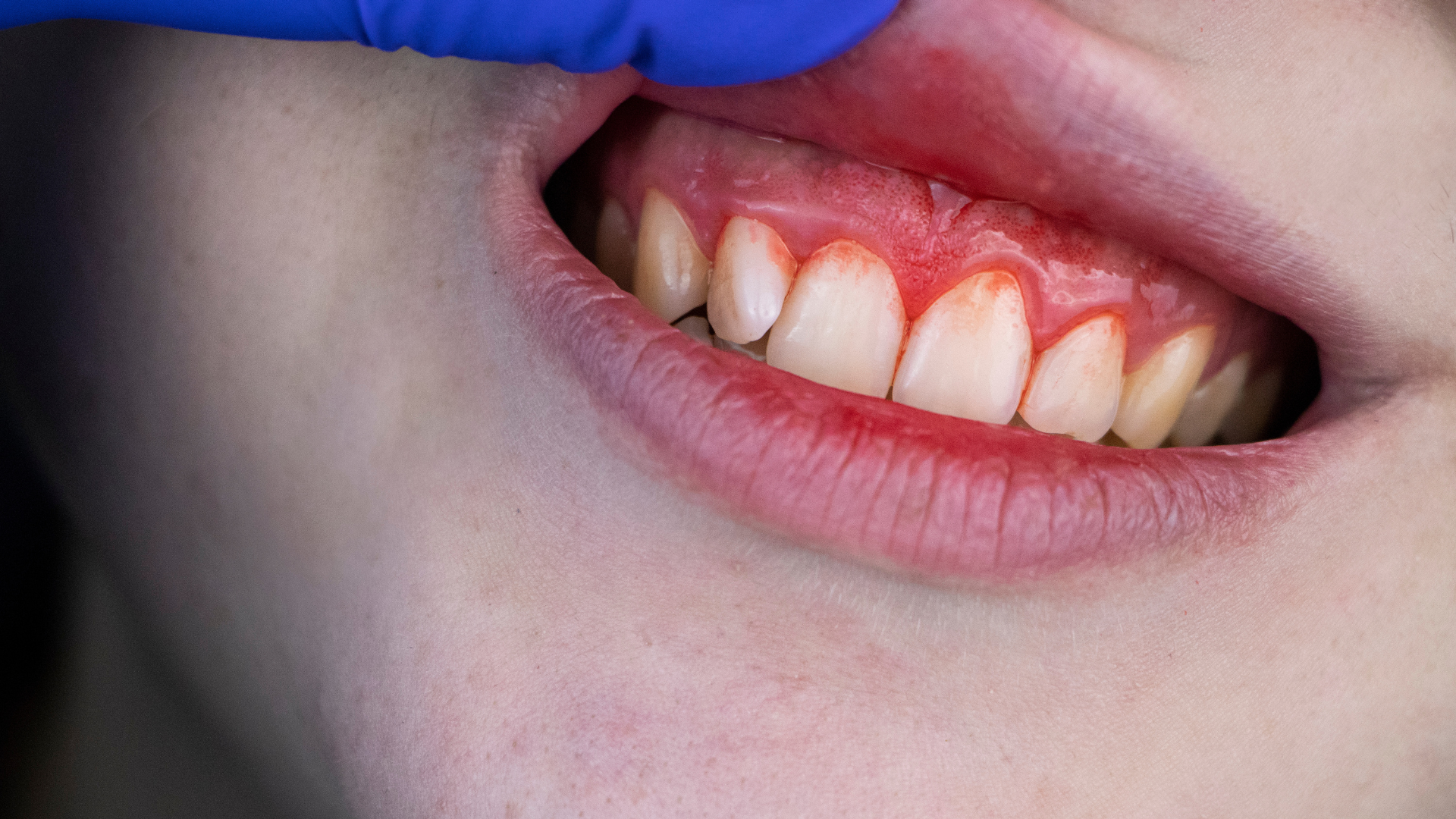
What Causes Gum Recession After Braces?
The relationship between orthodontic treatment and gum health is delicate. Gum recession after braces is not always caused directly by the braces themselves, but rather by several contributing factors:
1. Excessive or Rapid Tooth Movement
If orthodontic forces are applied too strongly or teeth are moved too quickly, the supporting bone around the tooth roots may become thinner. As the bone diminishes, the gum tissue may recede accordingly, leading to gum recession.
2. Gum Inflammation and Plaque Accumulation
Braces can make oral hygiene more difficult, especially around brackets and wires. Inadequate cleaning can lead to plaque buildup, which harbors bacteria that damage gum tissue and result in gum recession.
3. Aggressive Tooth Brushing
Some individuals brush too hard in an attempt to remove food debris stuck in braces. Excessive force can damage delicate gum tissue, causing it to recede over time.
How to Prevent Gum Recession After Orthodontic Treatment
Maintaining good oral hygiene habits is the most effective way to prevent gum recession. Here are key recommendations:
- Choose the Right Tools
Use a soft or ultra-soft toothbrush and adopt proper brushing techniques. Avoid aggressive scrubbing to protect the gums.
- Use Interdental Cleaning Aids
After meals, use orthodontic floss, interdental brushes, or water flossers to remove plaque and food particles effectively.
- Visit Your Dentist Regularly
If you notice tooth sensitivity or thinning gums, consult your dentist immediately. Adjustments to orthodontic force may help reduce the risk of gum recession.
Treatment Options for Gum Recession After Braces
If you are already experiencing gum recession, there’s no need to panic. Modern dentistry offers effective solutions, but treatment should always be performed by qualified dental professionals.
1. Gum Grafting
This is a standard and highly effective treatment. Tissue from another area (often the palate) is grafted onto the affected area to restore gum coverage and improve aesthetics.
2. Tooth-Colored Fillings
In mild cases, dentists may use tooth-colored composite materials to cover exposed root surfaces, reducing sensitivity and improving appearance.
3. Gum Contouring Surgery
This procedure reshapes the gum line to create a more balanced and aesthetically pleasing appearance after orthodontic treatment. It should be performed by a specialist.
Conclusion
Gum recession after braces is a common issue, but it is both preventable and treatable. The key is early detection and proper oral care during orthodontic treatment. By maintaining good hygiene and regular dental check-ups, you can ensure that your smile remains healthy and confident even after your braces are removed.
If you are experiencing gum recession after orthodontic treatment or would like professional advice, Pasook Dental Clinic is ready to assist you. Our experienced dental specialists provide personalized care to help restore your smile safely and effectively.
Don’t wait-visit Pasook Dental Clinic near you and take the first step toward a healthier, more confident smile.
Source : Pasook Dental Clinic
Pasook Dental Clinic
Share this article
More Articles
Discover more insights on health care and medical tourism.

How to Fix Tooth Decay: From Early Cavities to Root Canal Treatment
There are five levels of tooth decay treatment, depending on how deeply the decay has progressed: remineralization with fluoride for early white spots, dental fillings for cavities that have formed, inlays or crowns when little healthy tooth structure remains, root canal treatment when decay reaches the dental pulp, and tooth extraction followed by replacement when the tooth can no longer be saved.

IVF ICSI Medical Glossary: Essential Fertility Abbreviations | LRC Fertility Clinic
Demystifying IVF & ICSI Medical Terms: Essential Acronyms for Expectant Parents For individuals and couples navigating fertility challenges, terms like IVF, ICSI, and IUI are often familiar through general media. However, during your initial consultation at a fertility clinic or when reviewing diagnostic reports, you will likely encounter technical medical abbreviations that may seem unfamiliar. These specialized medical terms are used by reproductive endocrinologists and embryology lab specialists to communicate key stages of your treatment plan.

Why Does Egg Quantity Decline with Age?
Today, family planning is no longer just about “readiness.” It is also closely tied to biological timing, especially for women. One of the most frequently asked questions is: “Why does fertility decline as we get older?”