Rhinoplasty with GDCC Technique (Glued Diced Costal Cartilage)

Rhinoplasty Using the GDCC Technique (Glued Diced Costal Cartilage)
The nasal structure of many Asian individuals often consists of weaker cartilage, thicker skin, a low nasal bridge, and a less projected nasal tip. Because of these anatomical characteristics, costal cartilage (rib cartilage) is frequently used in rhinoplasty for Asian patients due to its strength and sufficient quantity.
Rib cartilage rhinoplasty is particularly suitable for patients with conditions such as short nose, saddle nose, crooked nose, small nose, or flat nose, where significant nasal bridge augmentation and septal structural reconstruction are required.
Currently, Block Costal Cartilage (BCC) is a commonly used technique for nasal bridge augmentation. However, this technique may have certain drawbacks, such as cartilage warping, visible ridging, or an uneven nasal surface.
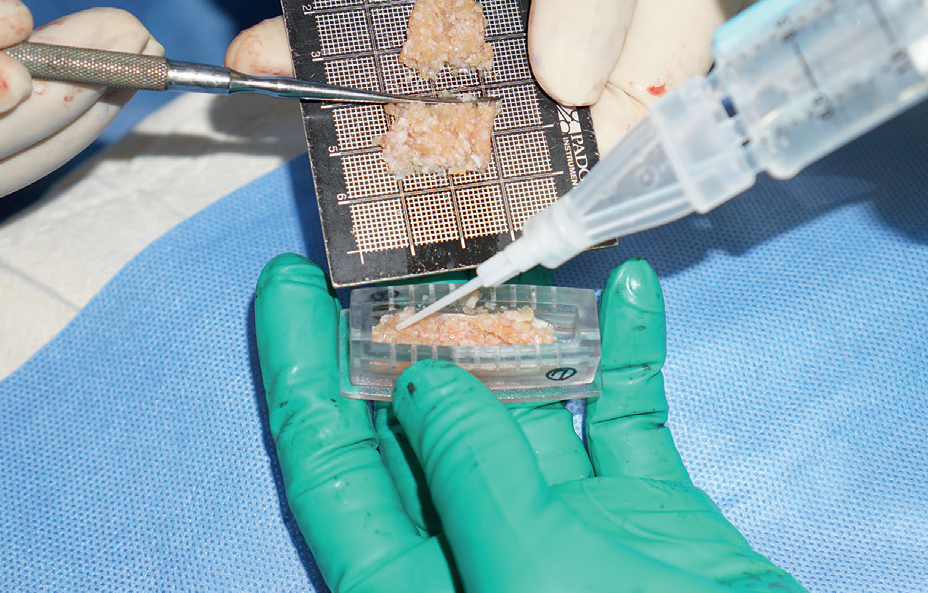
To reduce these potential complications, the Glued Diced Costal Cartilage (GDCC) technique has been developed.
Advantages of the GDCC Technique
The GDCC technique involves dicing rib cartilage into small pieces and securing them together, which allows surgeons to shape the nasal bridge more precisely. This approach offers several benefits:
๐ Creates a smooth and natural-looking nasal bridge
๐ Maximizes the use of rib cartilage
๐ Reduces the risk of cartilage warping or collapse
๐ Provides more flexible and natural contouring
Important Considerations
Although the GDCC technique offers many advantages, it is technically complex and requires significant surgical expertise. Therefore, patients should consult with experienced surgeons and reputable clinics to ensure both beautiful and safe long-term results.
Proper consultation and surgical planning are essential to achieve a balanced, natural-looking nose that suits each individual’s facial structure.
source : ALINE CLINIC
**Translated and compiled by ArokaGO Content Team
Independent Writer
Share this article
More Articles
Discover more insights on health care and medical tourism.

Songkran Warning: How to Prevent and Handle “Shoe Suction” Injuries During Water Festival Celebrations
As Thailand celebrates Songkran, many festival-goers are enjoying water splashing in the streets, but one surprisingly common issue keeps returning every year, the so-called “shoe suction” problem, when wet slip-on sandals or rubber shoes become stuck tightly to the foot or ankle after prolonged exposure to water.

Office Syndrome: A Common Health Problem Among Modern Workers
In an era when working in front of a computer has become part of everyday life, Office Syndrome has emerged as one of the most common health concerns among working-age adults.

Urine does not flow, cannot hold urine
Urine does not flow, cannot hold urine, check urgently before it becomes an enlarged prostate or BPH (Benign Prostate Hyperplasia).