The Battle Against Acne Scars: Causes and Treatments
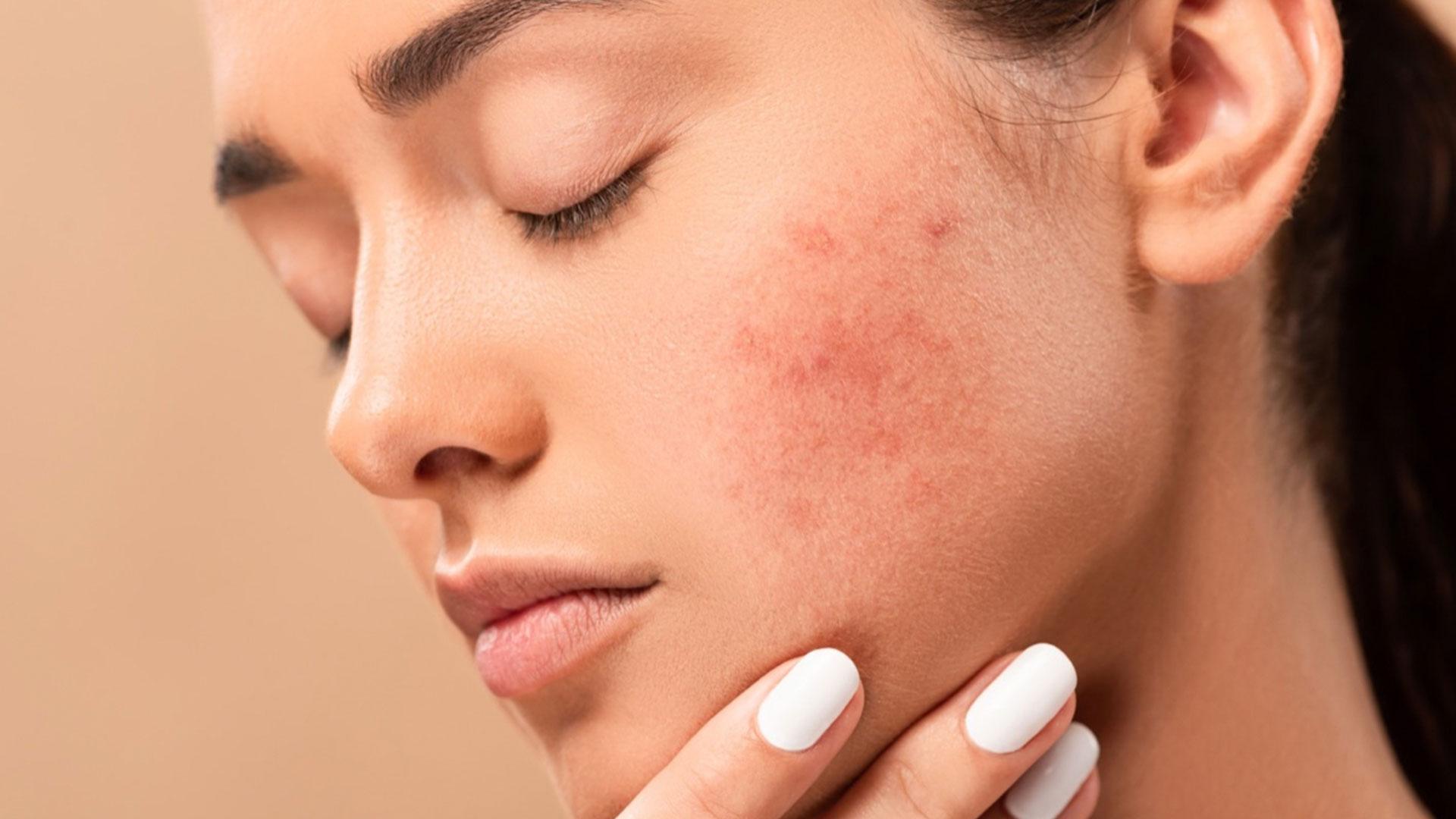
Acne, a common skin condition that plagues people of all ages, can leave behind an unwelcome reminder of its presence - acne scars, or as they are colloquially known, "acne holes." These scars are not just skin-deep blemishes; they are enduring marks that can significantly affect one's self-esteem and confidence. Understanding the causes and effective treatments for these troublesome scars is crucial for those seeking a smoother, scar-free complexion.
Acne scars are the aftermath of inflammatory acne. When the body's natural healing process begins, it can lead to the formation of these scars. As the symptoms of inflammation gradually improve, the affected skin becomes hollow, often accompanied by the development of a membrane beneath the skin's surface, which ultimately manifests as an acne hole.
These unsightly indentations most commonly appear on areas like the cheekbones, chin, and nose. They are typically the result of large, inflamed pimples, often referred to as "elephant's head" acne. Unfortunately, the wrong approach to managing acne can worsen the problem, causing further damage to the skin's deeper layers and the collagen within it. Behaviors such as squeezing, picking, scratching acne, or letting it heal on its own until the skin shrinks can exacerbate the formation of acne holes.
Types of Acne Scars
Acne holes come in various forms, each with its distinct characteristics:
Rolling Scars: These scars have a wave-like appearance and are relatively shallow. They are often the result of self-inflicted damage when we pick, peel, or scratch acne.
Box Scars: These pit-shaped scars have clear edges and are typically 3-5 millimeters deep at the skin level. They can be treated with medication and other therapies. Box scars are often caused by inflammation in the deeper layers of the skin and can also result from conditions like chickenpox.
Ice Pick Scars: These are deep, narrow holes that penetrate down to the pore layer. Healing these scars can be a lengthy process, and they are often associated with small inflamed acne or inflamed acne.
Effective Treatments for Acne Scars
Treating acne scars depends on their type and severity. Various methods can help improve the appearance of these scars:
Topical Medications: Suitable for shallow rolling scars, topical medications can aid in skin regeneration and replenishment.
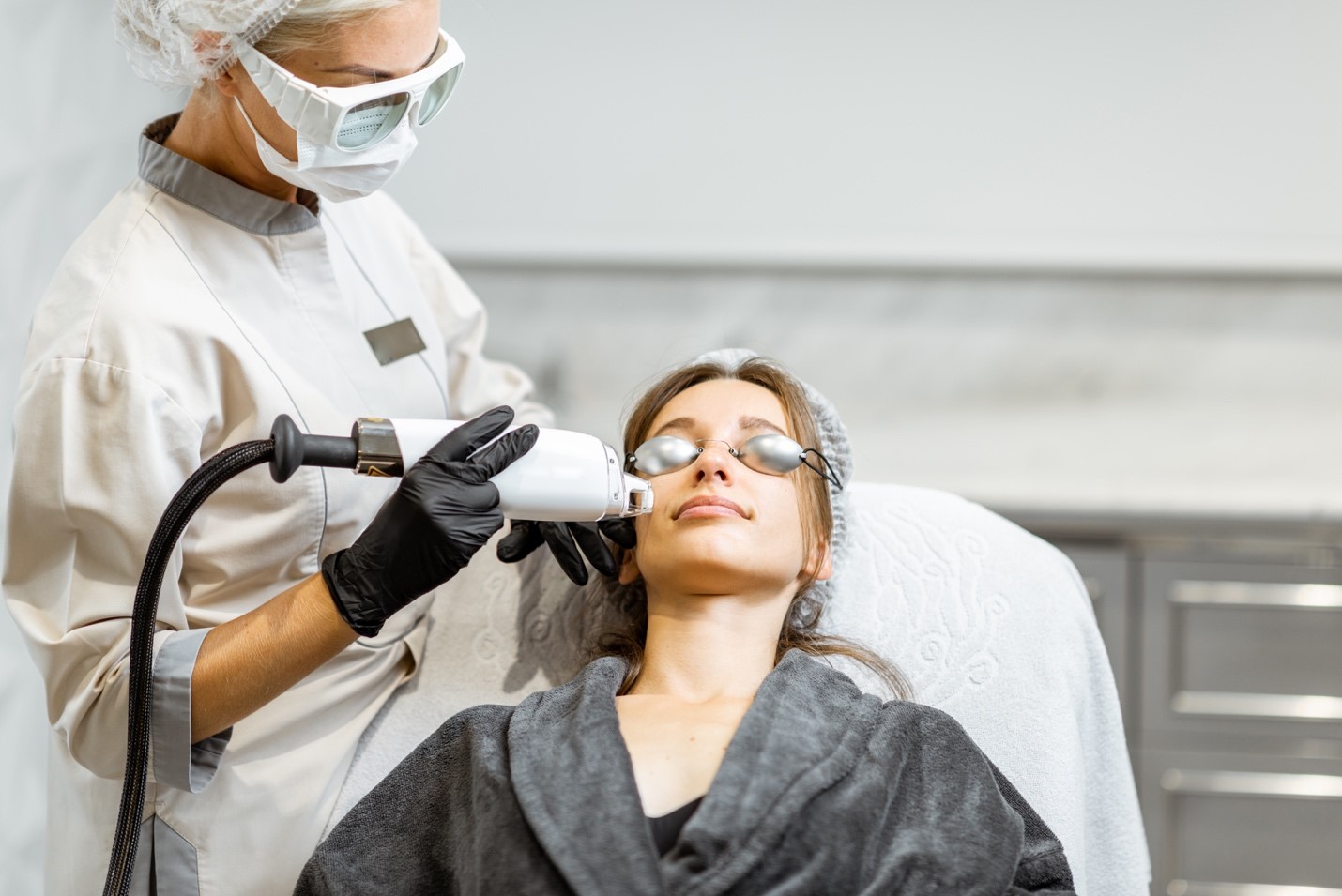
Laser Treatment: Laser therapy is effective for all three types of acne scars. However, it can have some side effects, such as extended recovery time and increased sensitivity to sunlight.
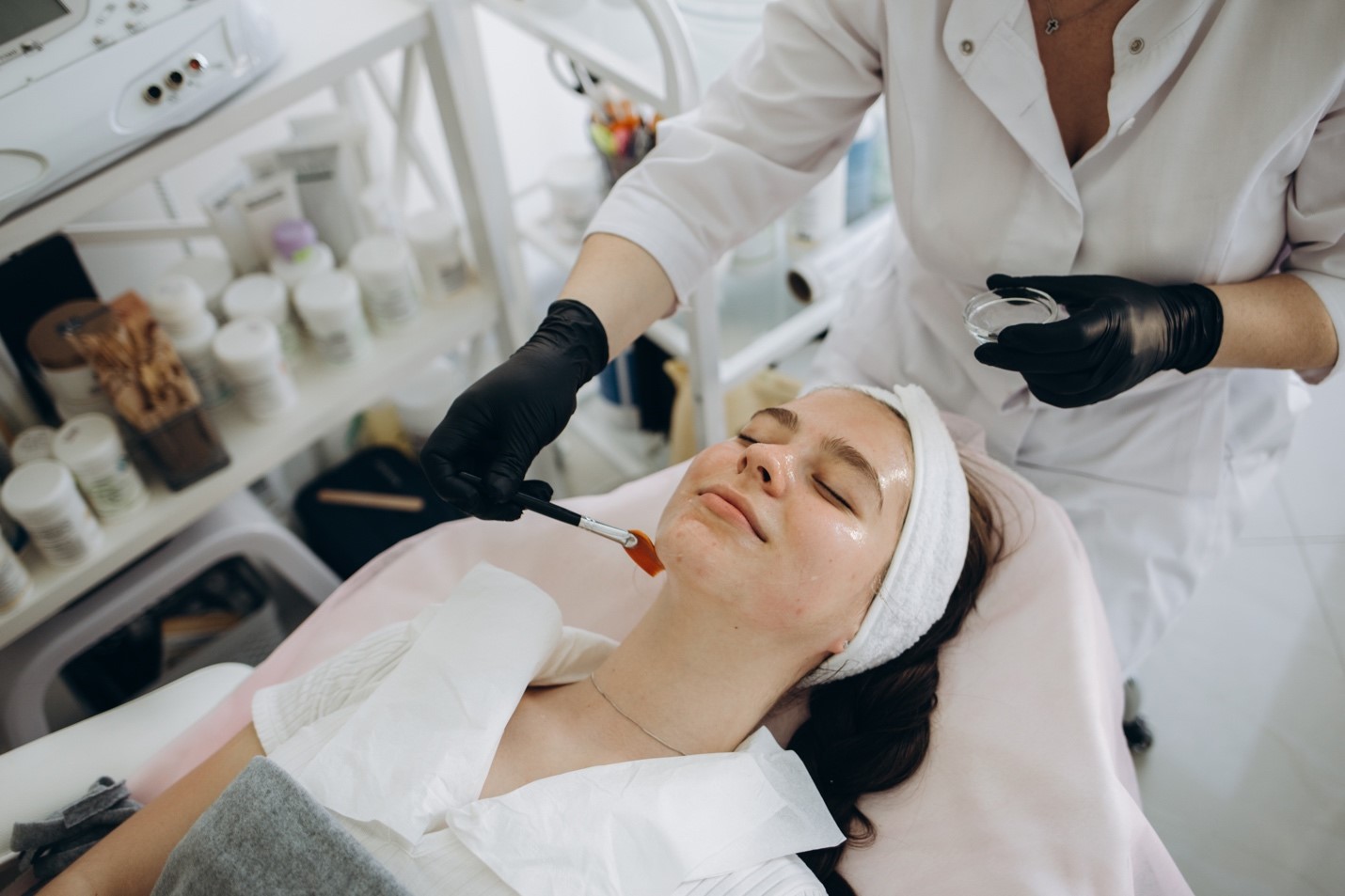
Chemical Peels: Applicable to all types of acne scars, chemical peels may yield more noticeable results for rolling scars due to their shallowness.
Microneedle Treatment: This method involves using small needles to stimulate the creation of new skin tissue, collagen, and elastin. It helps expedite the skin's natural repair process.
Subcision: Subcision involves the use of a specialized needle to cut or remove the fascia beneath the skin. This helps release the tethered scars, allowing the skin to regain a smoother appearance.
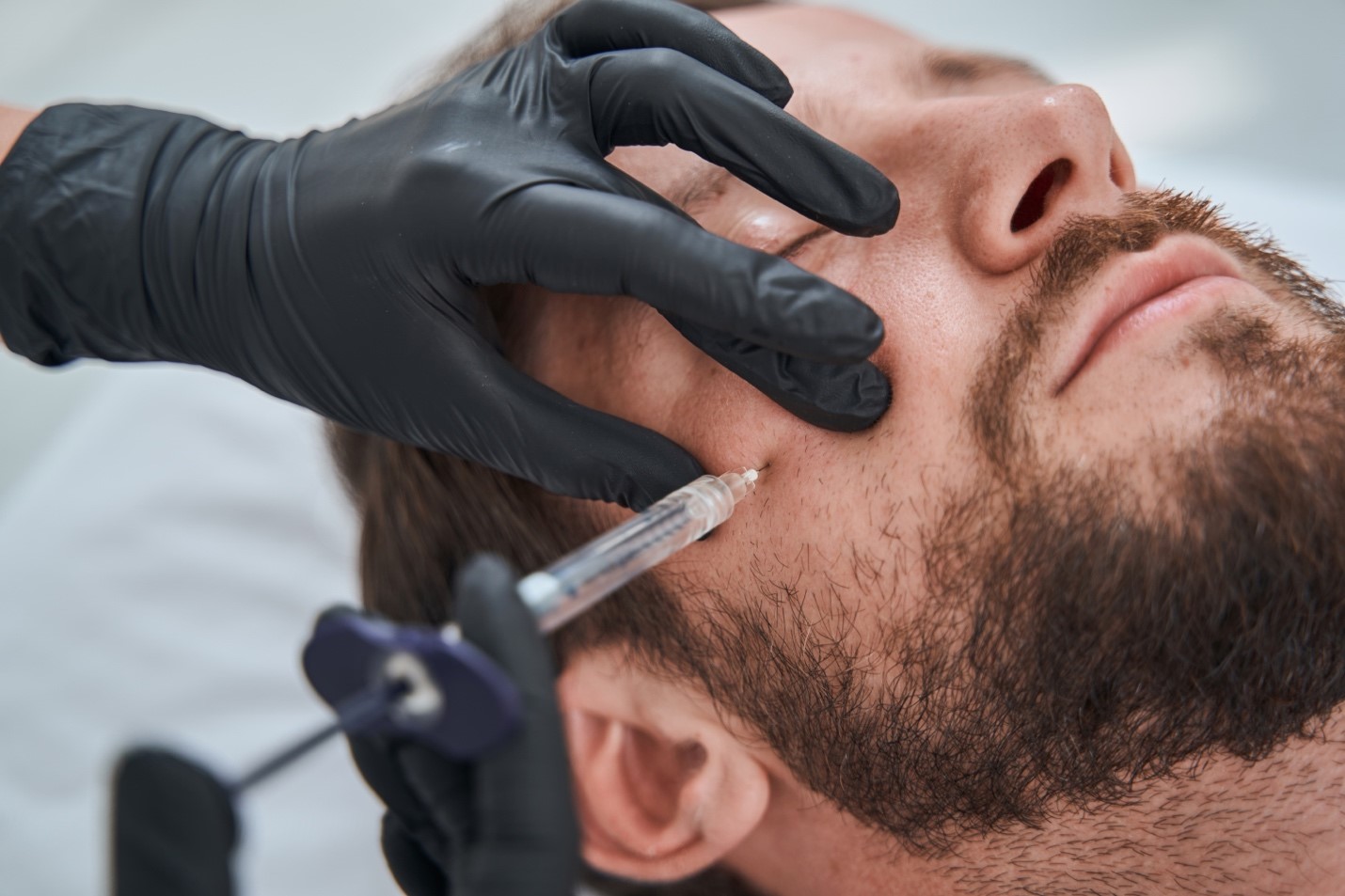
Filler Injections: Hyaluronic acid injections can be used to fill acne scars, making them appear shallower and the skin look fuller.
In conclusion, acne scars, often referred to as "acne holes," can be both emotionally and physically challenging to deal with. Understanding the causes and the available treatments is the first step towards achieving clearer and smoother skin. Consultation with a dermatologist or skincare professional is essential to determine the most suitable treatment approach for your specific acne scars, as well as to minimize potential side effects and ensure optimal results. With the right treatment, those pesky acne holes can become a thing of the past, leaving you with renewed confidence and a brighter complexion.
Napassaree Clinic
Share this article
More Articles
Discover more insights on health care and medical tourism.

Genetic Testing for Cancer Risk: Understanding Your Inherited Blueprint for Prevention
Cancer develops through a complex combination of genetic, environmental and lifestyle factors. While behaviors such as smoking, alcohol consumption, diet, physical activity and exposure to certain harmful substances can influence cancer risk, inherited genetic variants can also make some individuals more susceptible to certain types of cancer.

Behind the Surgery: Getting to Know Dr. Tanongsak Panyawirunroj of Asia Cosmetic Hospital
When people think of plastic surgery, they often focus first on what can be seen after a procedure the shape of the face, the nose, the eyes, the breasts, or the contours of the body. Yet behind every visible change lies a far more complex process involving anatomical knowledge, surgical experience, patient assessment, and a series of medical decisions made before, during, and after surgery.

Cell Therapy in Thailand: A Guide to Mesenchymal Stromal Cells (MSCs) and Personalized Regenerative Care
Cell therapy is an evolving field within regenerative medicine that investigates how cells and cell-derived biological mechanisms may support tissue repair, immune regulation, and recovery.