Types of Braces: Pros and Cons to Help You Choose the Right Option

Deciding to get braces is an investment in a beautiful smile and long-term oral health. But before choosing the right type, it’s important to understand the available options.
This article will guide you through the most popular types of orthodontic treatments, along with their advantages and disadvantages, so you can choose what suits you best.
How Many Types of Braces Are There?
If you’re wondering how many types of braces exist and how they differ, here’s a clear overview of each option.
1. Metal Braces
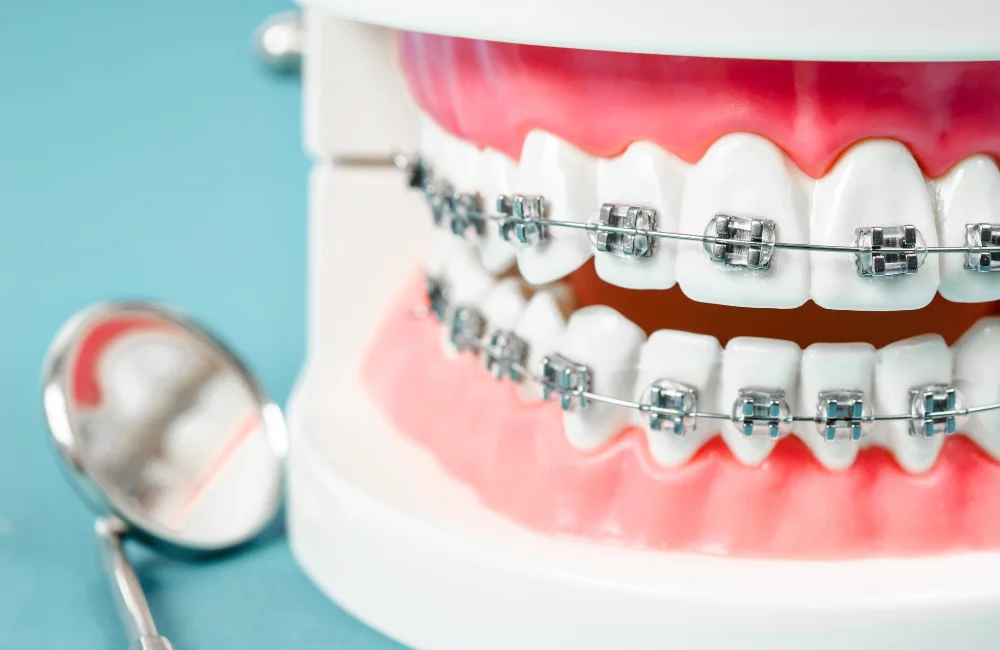
Metal braces are the most traditional and widely used orthodontic method. They use metal brackets attached to the teeth, along with elastic O-rings to hold the archwire in place and guide tooth movement.
Advantages:
๐ More affordable compared to other types
๐ Highly effective for complex dental issues
๐ Can change elastic colors monthly for a fun, personalized look
Disadvantages:
๐ May cause irritation inside the mouth
๐ Requires monthly dental visits for adjustments
๐ Highly visible, which may affect confidence for some people
2. Ceramic Braces
Ceramic braces function similarly to metal braces but use tooth-colored brackets, making them less noticeable and more aesthetically pleasing.
Advantages:
๐ Blend with natural tooth color, less visible
๐ Effective for correcting misaligned or protruding teeth
๐ More suitable for professionals who prefer a subtle appearance
Disadvantages:
๐ More expensive than metal braces
๐ Brackets are more fragile and prone to breakage
๐ Still require regular dental visits for adjustments
3. Damon Braces (Self-Ligating Braces)
Damon braces use a self-ligating system, eliminating the need for elastic bands. Instead, built-in clips hold the wire, allowing smoother and faster tooth movement with reduced friction.
Advantages:
๐ Faster tooth movement, potentially shorter treatment time
๐ Less pain and irritation
๐ Fewer dental visits compared to traditional braces
Disadvantages:
๐ Higher cost
๐ Requires good oral hygiene (risk of plaque/tartar buildup)
๐ Still visible, though less bulky than metal braces
4. Clear Aligners (Invisalign)
Clear aligners, such as Invisalign, are custom-made transparent trays designed using digital technology. They are removable and nearly invisible.
Advantages:
๐ Virtually invisible
๐ Removable for eating and brushing, making oral hygiene easier
๐ Less irritation (no wires or brackets)
๐ Fewer dental visits required
Disadvantages:
๐ Higher cost than fixed braces
๐ Requires discipline to wear consistently
๐ May not be suitable for very complex dental cases
Which Type of Braces Should You Choose?
There is no one-size-fits-all answer. The best option depends on:
๐ Your dental condition
๐ Lifestyle
๐ Budget
๐ Personal preferences
Consulting an experienced dentist is the most important step in choosing the right treatment.
Summary
No matter which type of braces you choose, selecting a qualified dental clinic with experienced professionals is essential. Proper treatment ensures not only a beautiful smile but also long-term oral health.
Whether you have crooked teeth or bite issues, XDC Dental Clinic is ready to take care of your smile. Our experienced dental team provides personalized consultations and treatment plans to help you achieve the best possible results.
Sourec : XDC Dental Clinic
**Translated and compiled by ArokaGO Content Team
XDC DENTAL CLINIC
Share this article
More Articles
Discover more insights on health care and medical tourism.

Songkran Warning: How to Prevent and Handle “Shoe Suction” Injuries During Water Festival Celebrations
As Thailand celebrates Songkran, many festival-goers are enjoying water splashing in the streets, but one surprisingly common issue keeps returning every year, the so-called “shoe suction” problem, when wet slip-on sandals or rubber shoes become stuck tightly to the foot or ankle after prolonged exposure to water.

Office Syndrome: A Common Health Problem Among Modern Workers
In an era when working in front of a computer has become part of everyday life, Office Syndrome has emerged as one of the most common health concerns among working-age adults.

Urine does not flow, cannot hold urine
Urine does not flow, cannot hold urine, check urgently before it becomes an enlarged prostate or BPH (Benign Prostate Hyperplasia).