Understanding Baby Acne: A Guide for Parents
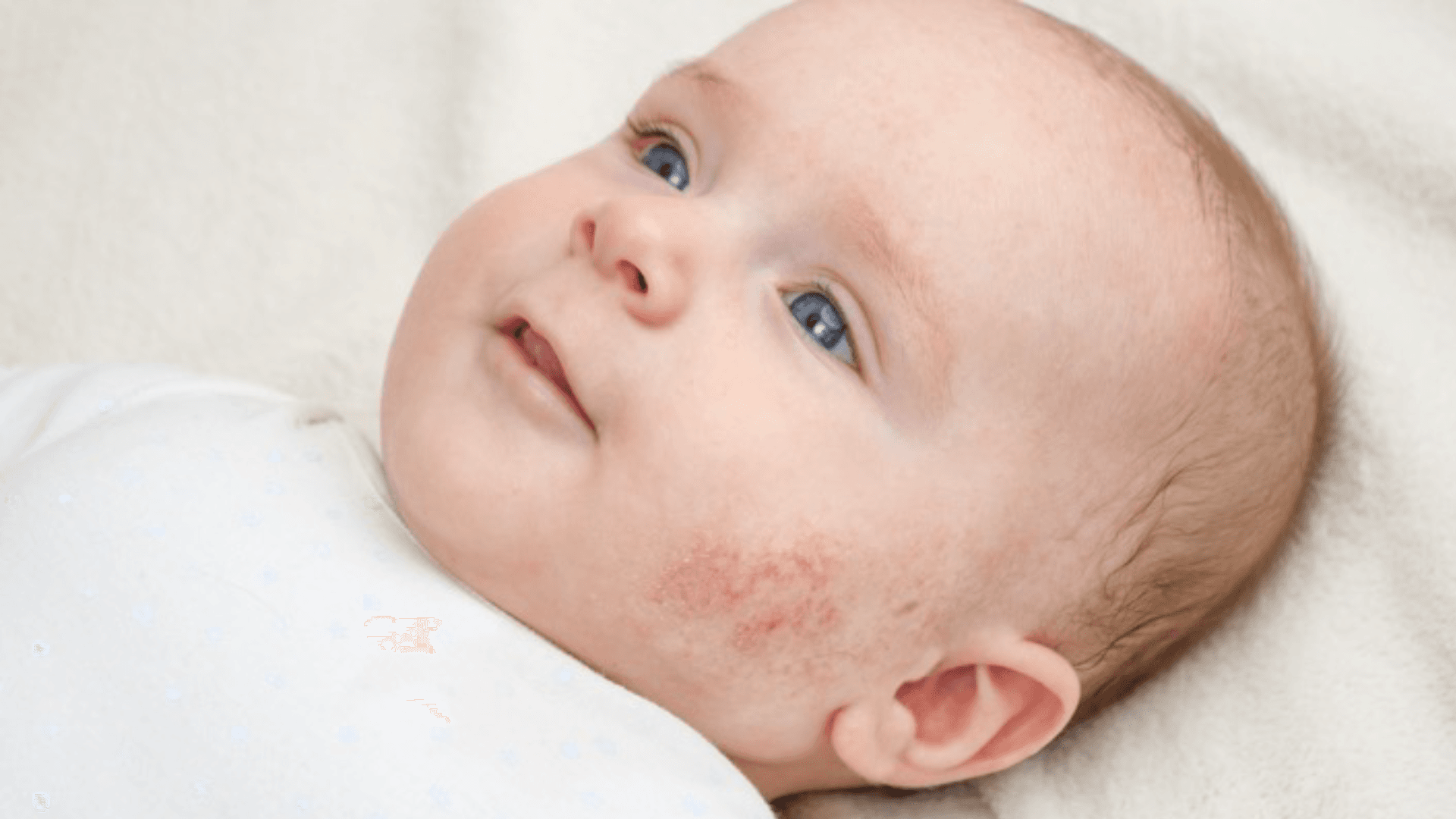
Baby acne is a common condition that manifests as small, red bumps on a baby's skin, often appearing on the face and neck. While it might look concerning, it's generally harmless and tends to resolve on its own. The primary cause of baby acne is the exposure to maternal hormones before birth, which can stimulate the baby's oil glands, leading to the development of acne.

Diagnosing baby acne is straightforward; your baby's doctor can typically identify it just by examining the skin. Most cases of baby acne resolve on their own within a few weeks to months. However, if the acne appears severe, with cysts or scars, or if it persists, your baby might need special medication prescribed by the doctor. Always consult the doctor before using any over-the-counter acne medications on your baby.
While baby acne usually doesn't require medical attention, you should consult your baby's doctor if you have any concerns about your baby's skin condition. If you are following a regular well-baby exam schedule, you will have the opportunity to discuss any concerns about your baby's skin. For baby acne, consider asking the following questions during the appointment: Is my baby's acne temporary or long-lasting? Are there any treatments available? What advice do you have for my baby's skin care? Will this acne scar my baby's face? To assess the severity of your baby's acne, the doctor may ask if there is a family history of severe acne or if your baby has been exposed to any medications that can cause acne, such as corticosteroids or iodine-containing medicines.
There are several straightforward procedures that you can implement to ensure the health of your infant's skin: clean your baby's face daily with warm water, alternating between using plain water and a mild, moisturizing facial soap. Pat your baby's skin dry gently after washing. Do not pick at or scrub the acne, as this can worsen the condition or lead to infection. Refrain from using lotions, ointments, or oils on your baby's skin, as these can exacerbate baby acne.
By understanding baby acne and following these guidelines, you can ensure your baby's skin remains healthy and clear up any concerns you may have. Always consult your baby's doctor for personalized advice and treatment options. For more detailed information about symptoms and diagnosis and resources, visit the ArokaGO Health Library.
Share this article
More Articles
Discover more insights on health care and medical tourism.

What are the Common Causes of Infertility?
Many people grow up looking forward to the day they can have children. However, many people find that they’re unable to have children no matter how hard they try. If you are having difficulty getting pregnant, the good news is that treatment is often available, meaning you can still have the family of your dreams. However, before you can treat infertility, you first need to know what is causing it, and there are several potential causes. There are numerous potential causes of infertility, and each can be treated in different ways, if at all. Below are some of the most common causes of all.

Thigh Liposuction
Thigh Liposuction, wave goodbye to big legs with the Liposuction method Have you ever dedicated yourself to heavy exercise, yet the fat around your thighs never seems to decrease? It is believed that many people who clicked to read this article are likely among those facing such issues, feeling more or less anxious about their body shape.

Plank Exercises: More Than Abdominal Training
Plank exercises are commonly used to strengthen the abdominal muscles, but their benefits extend beyond improving the appearance of the waistline. When performed correctly, planks strengthen the core muscles that support the spine and may help improve posture, balance, and spinal stability.