What are the important guidelines for a successful medical travel?

Medical travel is also known as medical tourism or health tourism. Medical travel can be defined as the process of traveling to a foreign country to receive medical services. Patients may decide to get medical services abroad for many reasons including to get treatment that is cheaper, to receive care from a healthcare provider who can share with them about culture and languages, and to get treatment that may be unavailable in their country. However, medical travel can be risky. No one can guarantee that you will have a problem-free medical travel experience. So, what are the important guidelines for a successful medical travel?
1. Quality First
In order to experience best medical services, patients should find a hospital or a clinic that is accredited nationally or internationally, such as Thailand’s HA accreditation or the Joint commission international (JCI). Moreover, the doctors and physicians must be qualified and are able to perform various procedures which serve your needs and conditions. The hospital you select should have a quality improvement plan which would improve the quality of the services. Although accreditation will not guarantee for the best healthcare outcome, it reflects that the selected hospital has constantly improved the quality of its medical services.
2. Talk to your doctors before traveling
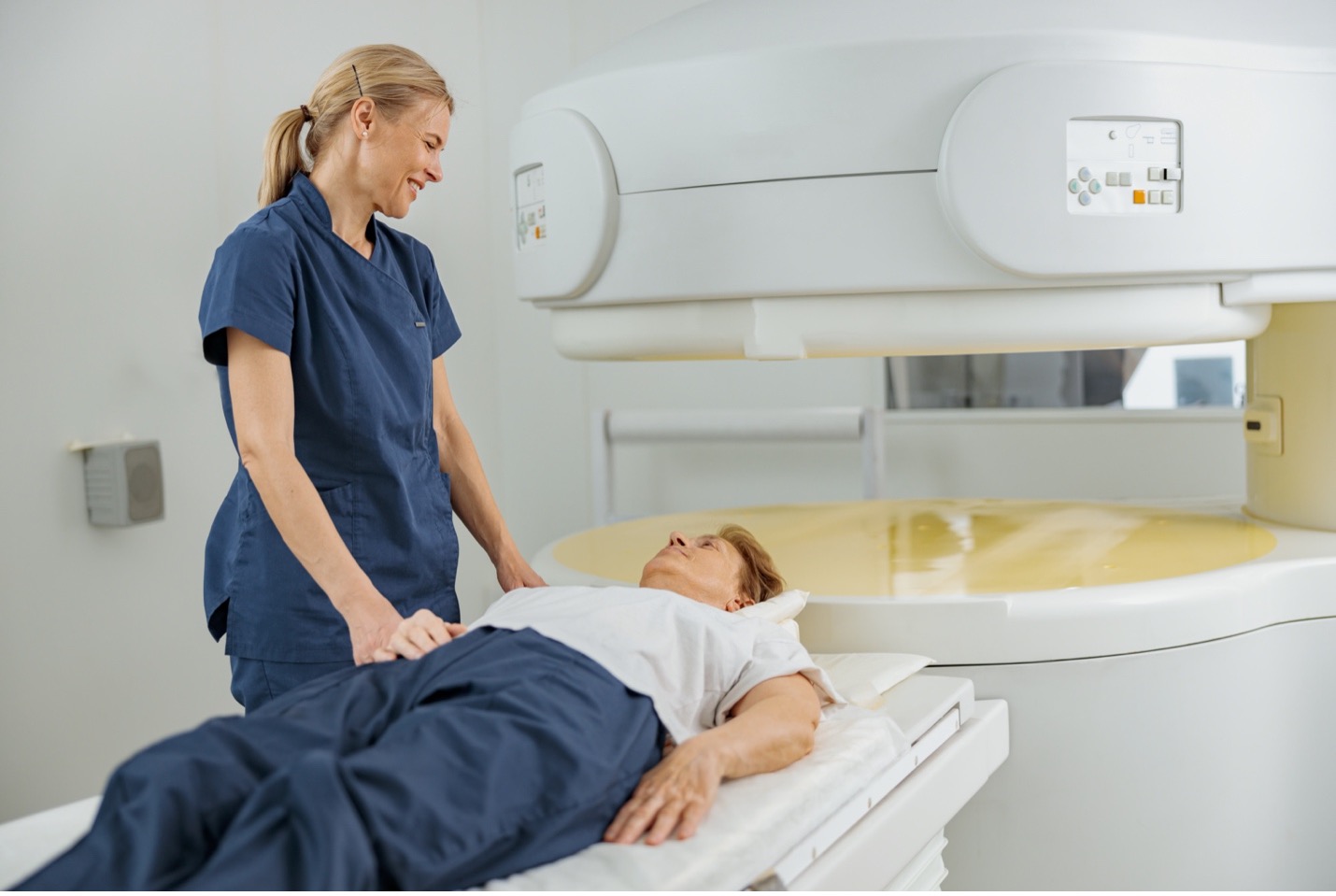
If you are planning to travel for medical care, you should find a way to meet or talk with your healthcare provider to discuss about general information, the risks of your health status, and any necessary procedures.

3. Make sure that language and culture will not be an issue
To receive the best results from the selected healthcare provider, patients should ensure that they understand the culture and language of the country they plan to go in order to avoid misunderstanding.
4. Consider the medical travel destination
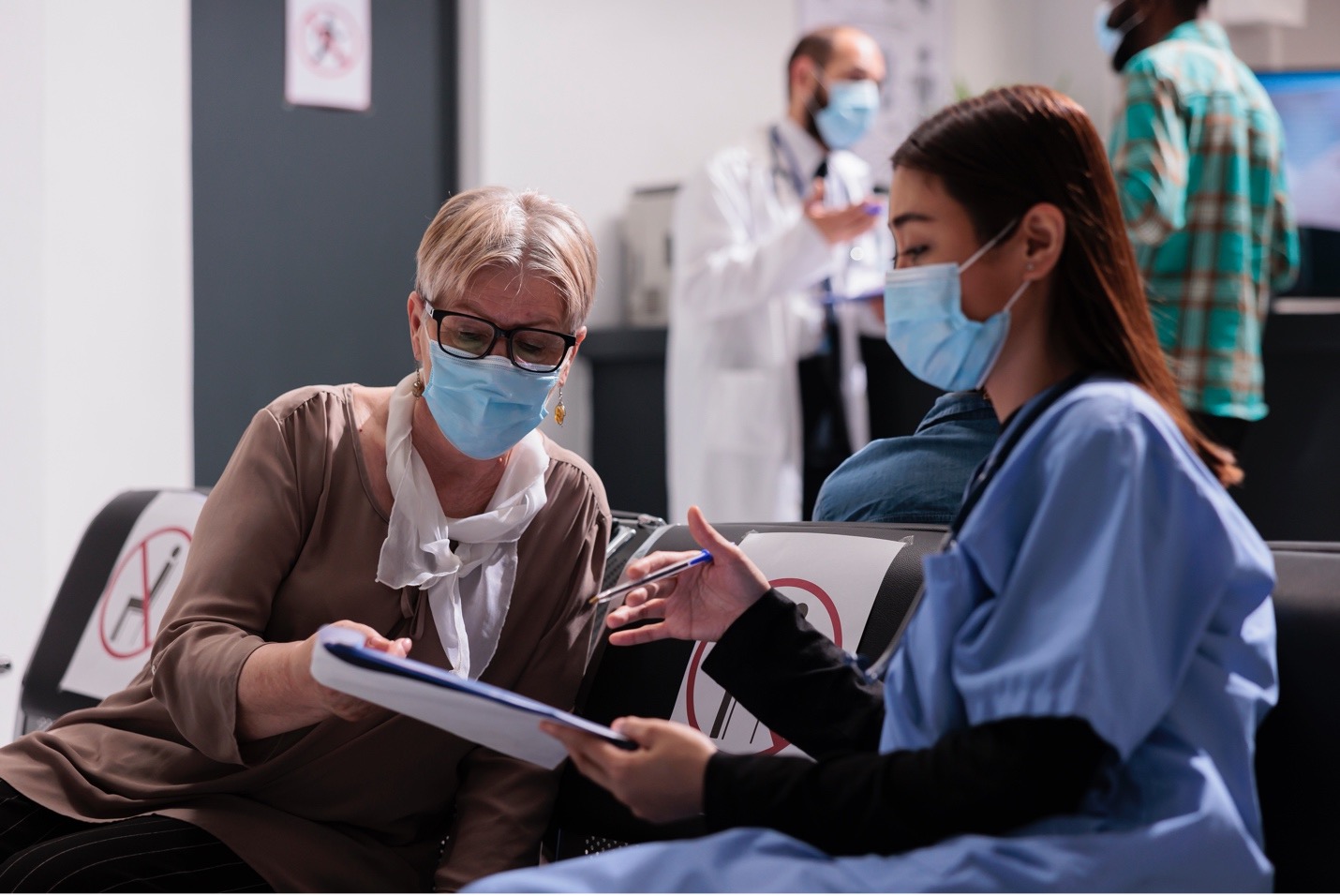
Medical travel can be risky. Patients should do some research about the country or region they plan to go in order to make sure that they will be safe from various unexpected circumstances, such as contagious diseases, crimes, political unrest, terrorism, severe weather, etc. In addition, each country has their own regulations on medical practices. Therefore, it is suggested that patients need to contact the selected healthcare provider first.

5. Financial matters
Patients should be informed of estimated costs by selected healthcare providers and should buy an international travel health insurance which covers extra expenses.

6. Choose your companion wisely
Bringing a companion along with you on the medical travel for your physical and mental support is advisable, especially if you are undergoing a major surgical procedure.

Reference:
Patient guidelines for a successful medical travel experience, GHA
https://wwwnc.cdc.gov/travel/page/medical-tourism Medical tourism association
Share this article
More Articles
Discover more insights on health care and medical tourism.

Genetic Testing for Cancer Risk: Understanding Your Inherited Blueprint for Prevention
Cancer develops through a complex combination of genetic, environmental and lifestyle factors. While behaviors such as smoking, alcohol consumption, diet, physical activity and exposure to certain harmful substances can influence cancer risk, inherited genetic variants can also make some individuals more susceptible to certain types of cancer.

Behind the Surgery: Getting to Know Dr. Tanongsak Panyawirunroj of Asia Cosmetic Hospital
When people think of plastic surgery, they often focus first on what can be seen after a procedure the shape of the face, the nose, the eyes, the breasts, or the contours of the body. Yet behind every visible change lies a far more complex process involving anatomical knowledge, surgical experience, patient assessment, and a series of medical decisions made before, during, and after surgery.

Cell Therapy in Thailand: A Guide to Mesenchymal Stromal Cells (MSCs) and Personalized Regenerative Care
Cell therapy is an evolving field within regenerative medicine that investigates how cells and cell-derived biological mechanisms may support tissue repair, immune regulation, and recovery.