What Causes Palate Pain? Symptoms and Treatments You Should Know

Palate pain can be uncomfortable and may affect eating and speaking. While it may resolve on its own in some cases, it can also be a sign of a more serious underlying condition. Understanding the causes, symptoms, and proper treatment is essential for maintaining good oral health.
Common Locations of Palate Pain
Palate pain can occur in both the hard palate and the soft palate. The most common locations include:
- Hard palate: Located at the front of the roof of the mouth and supported by bone. Pain in this area may result from injury caused by hard or sharp foods, burns from hot food or drinks, or irritation from certain foods.
- Soft palate: Located at the back of the roof of the mouth and made of soft tissue. Pain in this area is often associated with inflammation, infections, or oral sores.
Common Symptoms
Palate pain can present in various ways depending on the underlying cause. Common symptoms include:
- Pain or burning sensation: Discomfort or a burning feeling in the roof of the mouth, especially when eating or drinking
- Swelling and redness: The tissue in the palate appears swollen and unusually red
- Blisters or sores: Small blisters, canker sores, or ulcers may develop on the palate
- Irritation: Persistent itching or irritation
- Difficulty swallowing: In some cases, pain may make swallowing food or liquids uncomfortable or difficult
Causes of Palate Pain
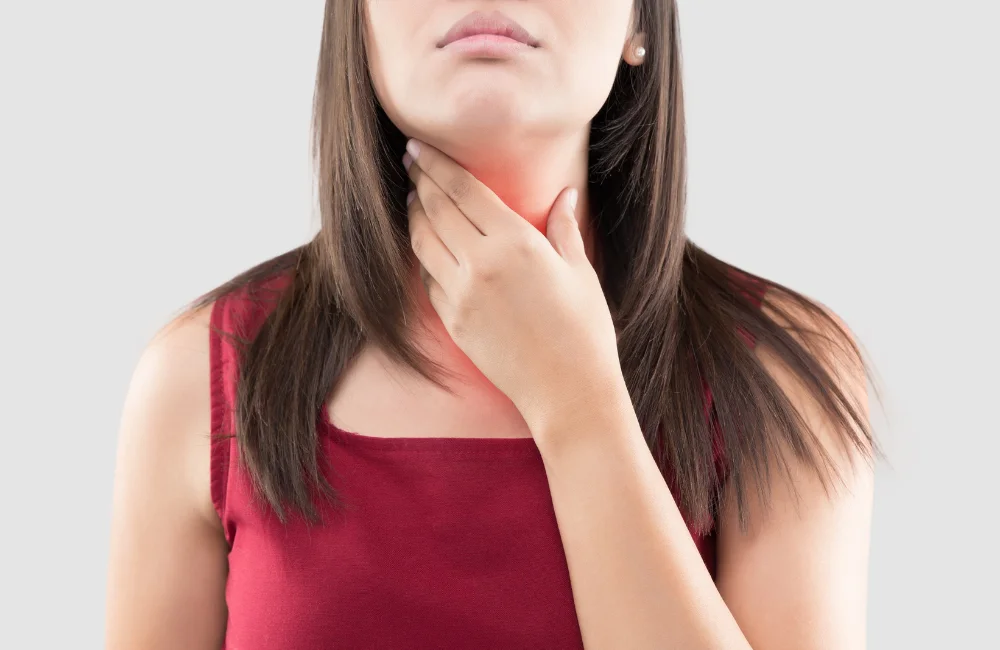
Causes of Palate Pain
Palate pain can arise from various causes, ranging from minor injuries to more complex health conditions, including:
Burns from Hot Food or Drinks
One of the most common causes is thermal injury from consuming very hot food or beverages, which can burn the tissue on the roof of the mouth. This may be more noticeable in individuals with braces or oral appliances, as sensitivity to temperature may temporarily increase.
Oral Infections
Infections caused by fungi, bacteria, or viruses can lead to palate pain. Examples include oral herpes and oral thrush (Candida infection), which may present as white patches or sores in the mouth.
Autoimmune Disorders
In some cases, palate pain may be linked to autoimmune conditions such as lupus or Behçet’s syndrome, which can cause recurrent or slow-healing oral ulcers.
Vitamin and Mineral Deficiencies
Deficiencies in certain nutrients-especially vitamin B and iron-can affect oral tissue health, making the palate more prone to pain or ulcers. These conditions may also worsen other dental issues such as misaligned teeth that may require orthodontic treatment.
Treatment of Palate Pain
Treatment depends on the underlying cause. For mild cases, self-care at home may be sufficient:
- Avoid triggering foods and drinks: Stay away from very hot, cold, spicy, or hard foods that may irritate the palate
- Maintain good oral hygiene: Brush properly, use dental floss, and choose non-irritating mouthwash to reduce bacterial buildup
- Use symptomatic medication: Pain relievers such as paracetamol or topical anesthetic gels/sprays can help relieve discomfort
- Treat underlying infections: If caused by infection, a dentist may prescribe antiviral, antibiotic, or antifungal medications as appropriate
- Consult a dentist: If symptoms persist or worsen, visit a dental clinic for proper diagnosis and treatment
Prevention of Palate Pain
Palate pain can be prevented by maintaining good oral health and avoiding risk factors:
- Practice good oral hygiene regularly: Brush properly, floss, and rinse your mouth consistently
- Be cautious with food consumption: Avoid very hot, hard, or sharp foods that may cause injury
- Stay hydrated: Drink enough clean water to keep the mouth moist and prevent dryness
- Avoid smoking and limit alcohol consumption: These can irritate and inflame oral tissues
- Manage stress: Stress can trigger oral ulcers more easily
- Regular dental check-ups: Visiting a dentist every 6 months helps detect and address problems early
When Should You See a Doctor?
Palate pain caused by minor injuries or canker sores usually resolves within 1–2 weeks. However, you should see a dentist if you experience:
- Symptoms that do not improve within 1–2 weeks or worsen over time
- Persistent blisters or chronic ulcers, especially those with raised red edges or easy bleeding
- High fever or sore throat alongside the pain, which may indicate a serious infection
- Lumps or unusual abnormalities in the palate area
Conclusion
Although palate pain is often a minor issue that can occur in daily life, it should not be ignored—especially if symptoms persist or become severe. Consulting a dentist is essential to determine the cause and receive appropriate treatment. Maintaining proper and consistent oral hygiene is the most important way to prevent this condition.
If you need consultation or a comprehensive oral health check, XDC Dental Clinic is ready to assist you with experienced dental professionals and modern technology-ensuring the best care for your smile and oral health.
Source : XDC Dental
**Translated and compiled by ArokaGO Content Team
XDC DENTAL CLINIC
Share this article
More Articles
Discover more insights on health care and medical tourism.

Songkran Warning: How to Prevent and Handle “Shoe Suction” Injuries During Water Festival Celebrations
As Thailand celebrates Songkran, many festival-goers are enjoying water splashing in the streets, but one surprisingly common issue keeps returning every year, the so-called “shoe suction” problem, when wet slip-on sandals or rubber shoes become stuck tightly to the foot or ankle after prolonged exposure to water.

Office Syndrome: A Common Health Problem Among Modern Workers
In an era when working in front of a computer has become part of everyday life, Office Syndrome has emerged as one of the most common health concerns among working-age adults.

Urine does not flow, cannot hold urine
Urine does not flow, cannot hold urine, check urgently before it becomes an enlarged prostate or BPH (Benign Prostate Hyperplasia).