What Causes Pimples Around the Mouth. How Can They Be Treated?

Acne around the mouth is a common skin problem that can make many people feel uncomfortable and lose confidence. The causes of acne in this area can be complex, involving hormones, skincare habits, and things that frequently come into contact with the face. This article explains why pimples appear around the mouth and the effective ways to treat them.
What Is Acne Around the Mouth?
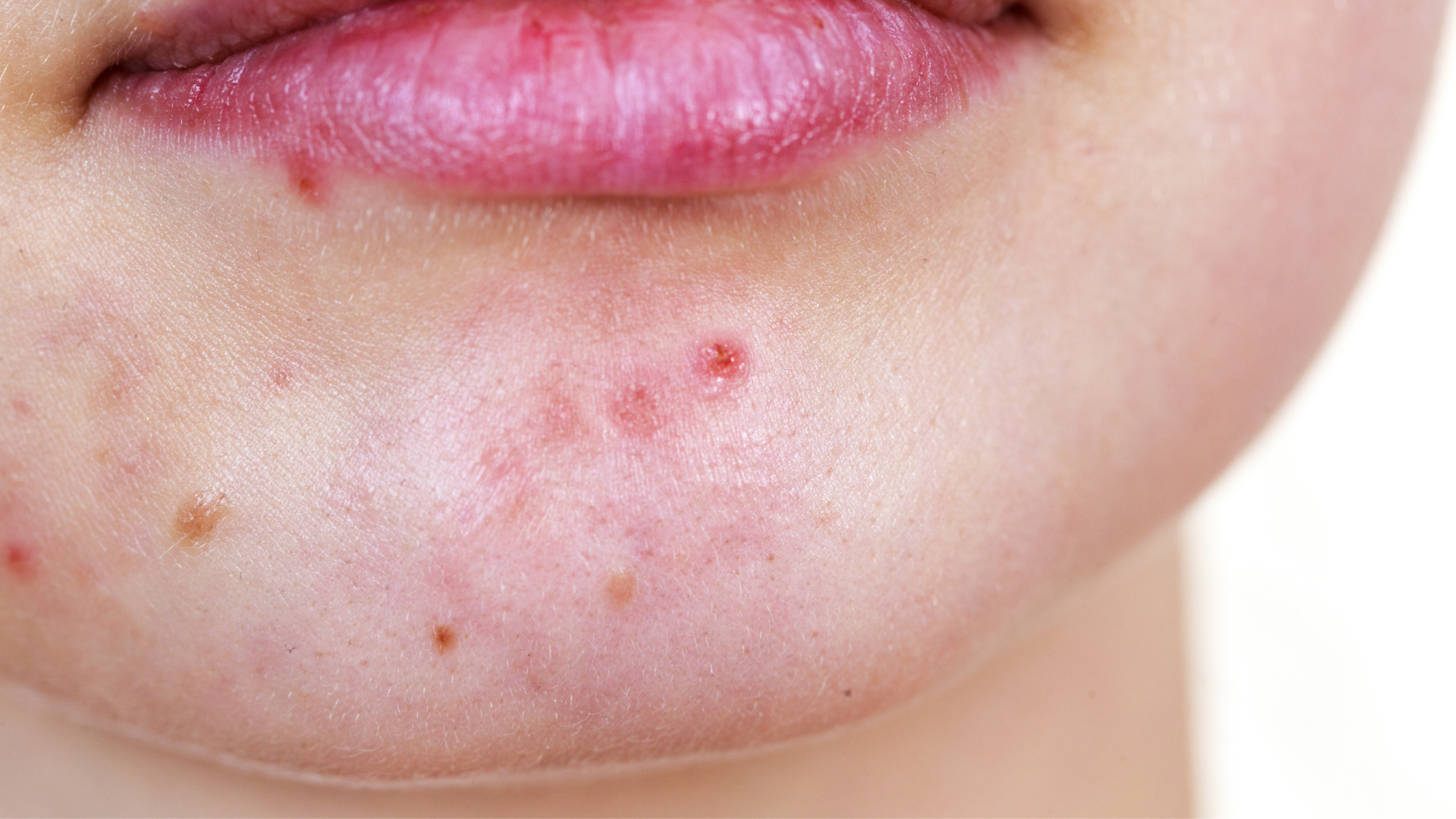
Acne around the mouth refers to pimples that develop on or near the lips. These can appear as different types of acne, including clogged pores (comedones), inflamed pimples, or pus-filled acne. They usually occur due to clogged hair follicles caused by excess oil, dead skin cells, or dirt that accumulates on the skin.
Types of Pimples Around the Mouth
- Whiteheads (Closed Comedones) – Small white bumps caused by clogged pores beneath the skin.
- Blackheads (Open Comedones) – Black spots that form when clogged pores are exposed to air, causing the surface to oxidize and turn dark.
- Red Bumps (Papules) – Small red inflamed bumps without a visible head. They may feel tender when touched.
- Pustules – Inflamed pimples filled with white or yellowish pus caused by bacterial infection along with clogged pores.
What Causes Pimples Around the Mouth?
- Hormonal changes – Such as during menstruation, pregnancy, or menopause.
- Cosmetic products – Products like lipstick or lip balm that may clog pores.
- Touching the mouth frequently – Hands can transfer bacteria to the skin.
- Stress – Stress can disrupt hormone balance and trigger acne.
- Using unsuitable skincare products – Some products may clog pores and lead to acne.
How to Treat Pimples Around the Mouth
There are several ways to treat acne around the mouth, ranging from home care to professional medical treatment.
1. Acne Extraction
Many people choose acne extraction, especially for clogged pores. This procedure should ideally be performed by a dermatologist or trained professional using proper tools to reduce the risk of infection and acne scars.
2. Acne Patches
Acne patches help absorb pus and impurities from pimples, allowing them to dry faster while protecting the area from dirt and bacteria.
3. Topical Acne Medication
Topical treatments such as Benzoyl Peroxide and Salicylic Acid can help reduce inflammation and unclog pores. These medications should be used regularly according to a doctor’s recommendations.
4. Oral Medication
For more severe acne, doctors may prescribe oral antibiotics or hormonal medications (such as birth control pills) to help reduce inflammation. Oral medication should always be taken under medical supervision.
5. Dermatological Treatments
Medical treatments such as acne laser therapy or specialized facial treatments can help reduce inflammation and improve the appearance of acne scars, helping the skin look smoother again. These procedures should always be performed by qualified medical professionals to ensure safety and the best results.
Source : Doctornat
**Translated and compiled by ArokaGO Content Team
Independent Writer
Share this article
More Articles
Discover more insights on health care and medical tourism.

Your Private Path to Timeless Wellness: Why Medical Wellness by Hertitude Clinic
Some of the most personal conversations a person will ever have take place in a doctor's office. A discussion about biological age, family history, hormonal changes, energy, sleep, skin or hair is rarely just clinical. It touches identity, work, relationships and how someone hopes to live in the decades ahead.

What Are Exosomes? What Do They Do in the Body?
Why do small cuts on your skin heal on their own? When an injury occurs, how do the body’s cells know where to begin the repair process?

What Is a Facelift? Exploring Surgery at Asia Cosmetic Hospital
Sagging cheeks, a less defined jawline, and changes in the skin around the neck often lead people to research facelift surgery. Before choosing treatment, it helps to understand that facial aging involves more than the surface of the skin. Different facelift procedures also address different areas.