What Causes Tooth Erosion and How to Manage Tooth Sensitivity?
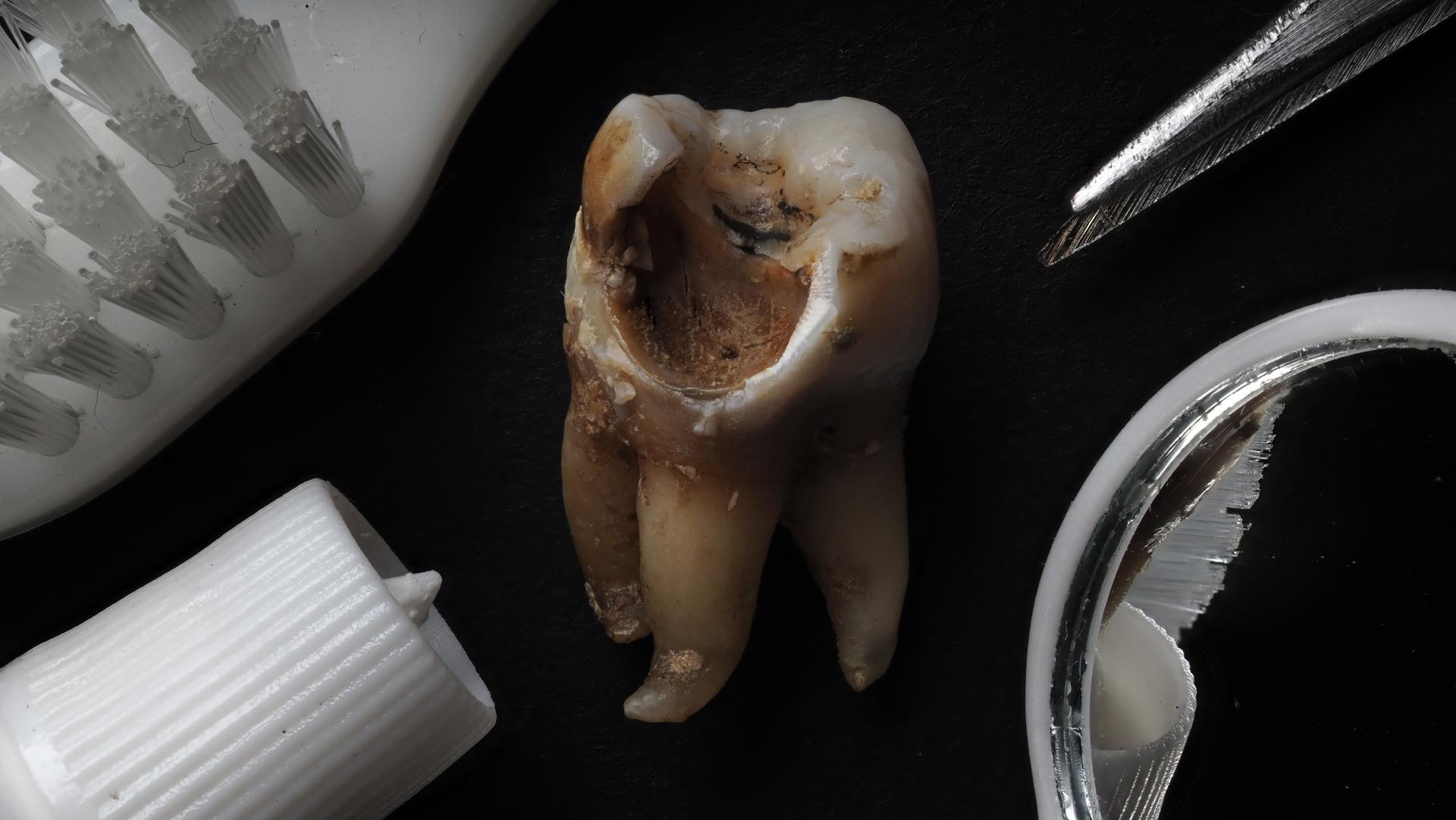
One of the most common questions from patients is: “What causes tooth erosion?” and *“What should I do when I experience tooth sensitivity?”* Let’s explore these concerns and uncover effective strategies to maintain strong and healthy teeth.
What is Tooth Erosion and What Causes It?
Tooth erosion occurs when the enamel, the outer protective layer of the teeth, is worn down. This erosion often leads to tooth sensitivity, making eating and drinking an uncomfortable experience. Common causes include:
1. Dietary Habits
- Consuming acidic foods such as curry soup, spicy soup, mango, lime, orange, guava, apple, and tamarind.
- Frequent exposure to these acids can thin the enamel over time, eventually leading to sensitivity.
2. Improper Brushing Techniques
- Using a toothbrush with bristles that are too hard.
- Brushing teeth too vigorously or with incorrect technique, which can cause enamel abrasion.
3. Teeth Grinding (Bruxism)
- Grinding or clenching teeth, often during sleep, accelerates enamel wear and contributes to erosion.

How to Prevent Tooth Erosion and Reduce Sensitivity
If you’re experiencing mild tooth sensitivity or early-stage tooth erosion, taking proactive steps can help prevent further damage:
1. Adjust Your Eating Habits
- Limit your intake of acidic or sour foods.
- Rinse your mouth with water or drink milk after consuming acidic foods to neutralize their effects.
2. Practice Proper Brushing Techniques
- Use a soft-bristled toothbrush and brush your teeth gently in circular motions.
- Choose toothpaste designed for sensitive teeth, as it contains ingredients to soothe sensitivity.
3. Enhance Your Oral Care Routine
- Incorporate high-concentration fluoride products or desensitizing agents recommended by your dentist.
- Consider using a mouthwash formulated to strengthen enamel.
What to Do if Tooth Erosion Becomes Severe
In cases where tooth erosion progresses, professional dental treatments may be required:
- Moderate Cases: Dental fillings or specialized coatings can help protect the tooth and reduce sensitivity.
- Severe Cases: If erosion reaches the tooth’s pulp, more advanced treatments like root canals, crowns, or veneers may be necessary to restore function and aesthetics.
Regular Dental Check-Ups: The Key to Prevention
The best way to maintain strong teeth and prevent serious dental issues is by scheduling regular dental check-ups at least twice a year. These visits allow for early detection of enamel wear and sensitivity, ensuring your teeth remain healthy for the long term.
Take Charge of Your Oral Health
Understanding the causes of tooth erosion and implementing preventive measures can significantly reduce sensitivity and protect your enamel. By practicing good oral hygiene, maintaining a balanced diet, and seeking professional care when needed, you can enjoy strong, healthy teeth for years to come.
Sources:
🔗 Dental Land Hatyai - Tooth Erosion & Sensitivity
🔗 ArokaGO Health Library - Cavities & Tooth Decay
Dentalland Clinic Hatyai
Share this article
More Articles
Discover more insights on health care and medical tourism.

Beyond the Beach: Discover Phuket's Wellness Side
Discover Phuket's wellness side: Thai massage, yoga, Muay Thai, rainforest walks and healthy food, what the evidence says about each, and how to choose a licensed spa.

What Is a Mommy Makeover? A Guide to Post-Pregnancy Surgery at Asia Cosmetic Hospital
Pregnancy and breastfeeding can change the breasts, abdomen and waist. Some changes improve as the body recovers, while others such as loose abdominal skin or a change in breast shape may remain. Mommy Makeover is the term for a personalised surgical plan that may address several of these concerns.

Beyond the Massage: A Traveler’s Guide to Wellness in Thailand
You arrive in Thailand with places to see, food to try, and perhaps a long flight to recover from. Then you step into a spa, put your plans aside for an hour, and discover a different pace of travel.