What is postpartum repair surgery? When should it be done, and who is it suitable for?

What is postpartum repair?
Postpartum repair refers to the care and restoration of the vaginal area that undergoes changes after childbirth, such as laxity, tissue stretching, or changes in the pelvic floor muscles.
Every woman recovers differently. Some can return to a near-previous state naturally, while others may experience bothersome symptoms that warrant medical evaluation.
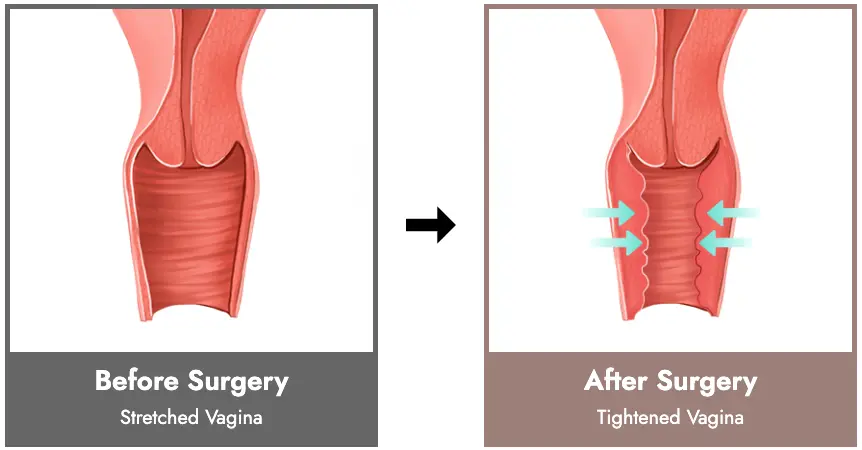
Why does skin sag after childbirth?
During pregnancy and childbirth, the body undergoes many changes, such as:
- The pelvic floor muscles are stretched.
- The tissues in the vaginal area expand.
- Hormone changes
- Tissue elasticity is temporarily reduced.
These changes are normal, and the degree of change varies from person to person.
Who is postpartum repair surgery suitable for?
Postpartum vaginal repair may be suitable for those with the following conditions:
I feel my vagina is loose. After childbirth, some women may feel that their vagina is not as tight as before. It interferes with daily life.
such as
- I feel unwell.
- There is friction/chafing.
- Feeling insecure about body changes.
I need an assessment of my genital health after childbirth.
Even without symptoms, consulting a doctor can help you understand your physical condition and determine appropriate care.
When should postpartum repair surgery be done?
Generally, it's best to wait until your body has fully recovered after childbirth and let your doctor assess what the most appropriate time is, as it depends on several factors, such as...
- Methods of childbirth
- Wound healing
- Overall health
- Breastfeeding
- Body recovery level
Therefore, it is not possible to determine the optimal time for everyone.
What are the benefits of postpartum repair surgery?
When properly assessed and treated, postpartum repair aims to...
- Restore vaginal tightness.
- Strengthens tissues.
- Reduces the appearance of sagging in some individuals.
- Boost your confidence in daily life.
The results depend on the individual's physical condition and the chosen treatment approach.
Is postpartum vaginal repair different from thread lifting?
Many people mistakenly believe that the two methods are the same, but in reality, they have different principles and treatment approaches.
Postpartum repair Focuses on restoring the structure and tightness of the vagina based on the doctor's assessment.
part Midlife Wellness Support This is another option that may be suitable for people with certain types of problems, and the doctor will consider it on an individual basis.
How should I take care of myself after postpartum vaginal repair?
After treatment, you should strictly follow your doctor's instructions, such as:
- Keep the wound area clean.
- Avoid activities that may affect the wound for the period recommended by your doctor.
- Come to your scheduled follow-up appointment.
When should you consult a doctor?
You should undergo an evaluation if...
- I can clearly feel my vaginal muscles sagging.
- It interferes with daily life.
- There are questions about postpartum recovery.
- I want to plan for long-term care of my intimate health.
summarize
Postpartum body changes are common in many women, and recovery varies from person to person. If you notice sagging or changes that are affecting your daily life, consulting a specialist can help you receive appropriate advice.
We believe that every concern deserves an accurate answer. Our team of obstetricians and gynecologists is ready to provide personalized consultations, listen to your concerns with understanding, and recommend appropriate care plans for each individual, without pressuring you to undergo any treatment.
Reference :
Independent Writer
Share this article
More Articles
Discover more insights on health care and medical tourism.

Professional Quick Body Contouring Methods: Health Risks, BMI, and Medical Technology
Body Contouring - Problems associated with obesity, being overweight relative to standard metrics, or having an out-of-proportion figure represent highly prevalent issues in modern society. These challenges stem from lifestyle factors including dietary choices, the convenience of food delivery services, work dynamics, and commuting routines that leave many individuals lacking the time or availability to engage in regular exercise and personal care, among various other daily constraints.

What Are Wrinkles (Wrinkles, Lines, Rhytids, Folds)? Definition, Causes, and Treatments
Wrinkles refer to a skin condition characterized by creases, fine lines, or deep furrows forming on the surface of the skin. Naturally, human skin develops increasing numbers of wrinkles as age advances due to structural degradation over time. The exact onset varies depending on individual genetics, skincare habits, and lifestyle factors.

How Many Types of Facelifts Are There? An In-Depth Look at Anti-Aging Techniques to Find What Suits You Best
As time passes, the once-firm skin structure naturally loses collagen and elastin, leading to sagging, deep wrinkles, and an undefined jawline. These issues can make the face look tired and older than its actual age. For those seeking clear, long-lasting, and transformative results, facelift surgery remains the ultimate medical solution.