What to do when acute myocardial ischemia occurs

Acute myocardial infarction means a complete blockage of the coronary arteries, leading to the heart muscle beginning to die. Symptoms may last more than 15 minutes and do not ease with rest or medication. When chest pain occurs, do not wait several hours to seek help because heart muscle cells that lack blood supply will begin to die within minutes. The first hour after experiencing chest pain is considered the “golden hour,” during which you should act immediately to reduce damage to the heart muscle and save your life.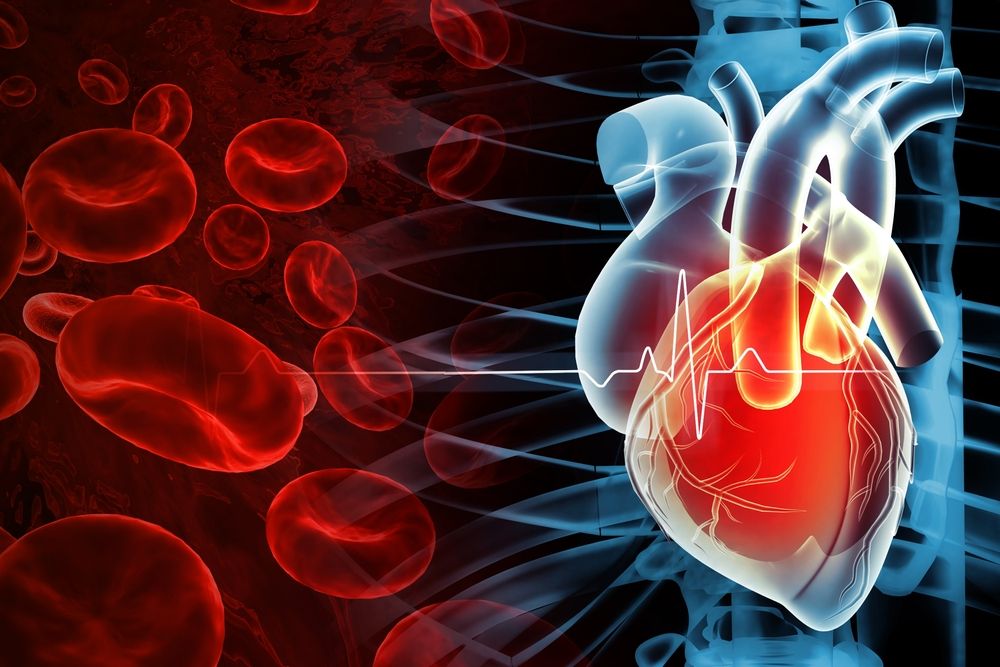
Are you at risk of heart attack?
Chest pain is a warning sign that “your coronary arteries are beginning to narrow.” You may experience acute myocardial infarction if the nature of the chest pain changes, such as becoming more frequent or chest pain occurring without much exertion. If you have a history of heart attack or risk factors, the likelihood of a heart attack increases significantly.
“Many people experience heart attacks and die each year, but if you are aware of heart attack symptoms and how to help, it isn’t always fatal.”
What are the symptoms of chest pain from heart disease?
1. Pain, tightness, or discomfort in the center of the chest
2. Chest pain radiating to the neck, arm, or jaw
3. Excessive sweating with a feeling of cold in the upper body, possible dizziness, shortness of breath, and nausea
4. Symptoms occurring during exercise or sudden emotional stress
5. These symptoms usually last about 1 – 10 minutes
6. Shortness of breath during exercise, which has never happened before
7. A feeling of severe abdominal discomfort if exercising immediately after eating
Who is at risk of having a heart attack?
1. People with abnormal blood lipid levels and those who like to eat high-fat foods
2. Heavy smokers
3. People with high blood pressure
4. People with diabetes
5. Obese individuals and those who do not exercise regularly
6. Those who are easily stressed and frequently stressed
7. Individuals with a family history of heart disease
Every minute counts when a heart attack starts
1. Be prepared: When a heart attack occurs, do not waste any time. Inform those around you so they understand, which can help save your life.
2. Inform those around you when symptoms occur: Those around you can care for you, time how long the chest pain lasts, and allow you to take nitroglycerin if previously prescribed by a doctor.
3. Choose the fastest route: If chest pain lasts more than 15 minutes, call for an ambulance as soon as possible or have someone drive you to the hospital. Avoid driving yourself at all costs.
4. When you reach the hospital: The sooner you get there, the greater the chance to reduce damage. The doctor will choose the most suitable treatment to relieve your symptoms.
5. Inform hospital staff immediately that you have chest pain: The staff will promptly call a doctor to care for you, including giving medication and other treatments to alleviate symptoms. Even if chest pain is not due to coronary artery disease, you will still receive diagnosis and treatment to feel better.
6. Blood clot-dissolving medication: The doctor will decide whether you need this medication. These medications have various mechanisms of action, such as directly dissolving or breaking down blood clots or stimulating the body to dissolve clots faster than normal. The quicker you arrive at the hospital, the better the treatment outcome.
7. Hospital recovery: Be prepared to stay in the hospital for at least 2 – 3 days to carefully check how much heart muscle is damaged and monitor for complications. You may undergo blood tests, heart electrocardiograms, treadmill tests, or heart ultrasounds. Combining all test results, the doctor will decide how to continue treatment, usually with oral medications. In some cases, further heart checks may be recommended, such as coronary angiograms or advice for balloon angioplasty or coronary artery surgery.
- Coronary angiography involves inserting a tiny tube into the coronary arteries to check for blockages.
- Balloon angioplasty and stent placement involve threading a catheter to the narrowed area of the coronary artery, inflating a balloon to widen the vessel, and placing a stent to keep that part of the artery open. This method is often used as an alternative to coronary artery bypass surgery.
- Coronary artery bypass grafting (CABG) involves using a vessel from another part of the body to create a new route for blood to flow past the blocked area.
- Follow-up care: To help you live normally, the doctor will provide advice on recovery at home, including diet, exercise, and the use of aspirin or other medications that can prevent recurrence of symptoms.
Return to a happy life again
Surviving a heart attack requires cooperation from several parties, starting with you, who learns the symptoms and informs family members. Preparing and acting quickly according to plan when experiencing chest pain, with specialists in various fields, will help you recover and return to daily life once again.
Reference :
Bangkok Hospital Hat Yai What to do when acute myocardial ischemia occurs
Bangkok Hospital Hat Yai
Share this article
More Articles
Discover more insights on health care and medical tourism.

Abdominal Pain: Know the Cause!!!
Many people have experienced abdominal pain. Since the abdomen contains numerous internal organs, recurrent or severe abdominal pain should not be ignored. Understanding the location of the pain can help identify the possible underlying cause, enabling timely diagnosis and appropriate treatment.

Finger Dislocation... Should You See a Doctor?
Finger dislocation is a common injury that occurs when the bones of a finger are displaced from their normal anatomical position. It can affect any finger joint, but most commonly involves the proximal and middle joints of the fingers. This injury can occur in people of all ages and is frequently associated with sports such as basketball, volleyball, football, or other activities involving the hands.

Knee Pain... Don't Let It Become Chronic!
Have you ever experienced persistent knee pain while walking, climbing stairs, or getting up from a chair? These symptoms should not be ignored, as they may be an early warning sign of knee osteoarthritis, which can significantly affect your quality of life and daily activities.