
Department of Disease Control Urges Caution Against Avian Influenza During Changing Weather, Following Reported Case in Neighboring Country
The Department of Disease Control (DDC) is urging the public to exercise increased caution when consuming poultry and traveling during the changing weather season, following the report of an avian influenza H5N1 case in a neighboring country. While no human cases have been reported in Thailand, the DDC continues to monitor the situation closely and advises the public to buy poultry from trusted sources, ensure thorough cooking, and avoid contact with sick animals to prevent potential risks and safeguard public health.
The Department of Disease Control (DDC) is urging the public to exercise increased caution when consuming poultry and traveling during the changing weather season, following the report of an avian influenza H5N1 case in a neighboring country. While no human cases have been reported in Thailand, the DDC continues to monitor the situation closely and advises the public to buy poultry from trusted sources, ensure thorough cooking, and avoid contact with sick animals to prevent potential risks and safeguard public health.

Dr. Montien Kanasawad M.D., Director-General of the DDC, stated that from 2003 to early 2023, over 900 human cases of avian influenza had been reported globally, with a high fatality rate. Outbreaks continue in some neighboring countries. The most recent case involved a 30-year-old man in Cambodia, who lived in Kampot province. He had contact with poultry, including dead chickens in his household, which he later prepared for cooking before falling ill on February 14, 2023.
Thailand has not reported any human cases of avian influenza since 2009, and relevant authorities continue to coordinate surveillance efforts for both humans and animals, in collaboration with the Department of Livestock Development and the Department of National Parks, Wildlife and Plant Conservation. The DDC evaluates the risk in Thailand as low to moderate, but advises the public not to be complacent, especially during the tourism season or when attending group activities. The public is encouraged to avoid contact with sick or dead poultry, refrain from handling dead animals, and avoid using chicken carcasses or poultry products from unsafe sources for cooking.
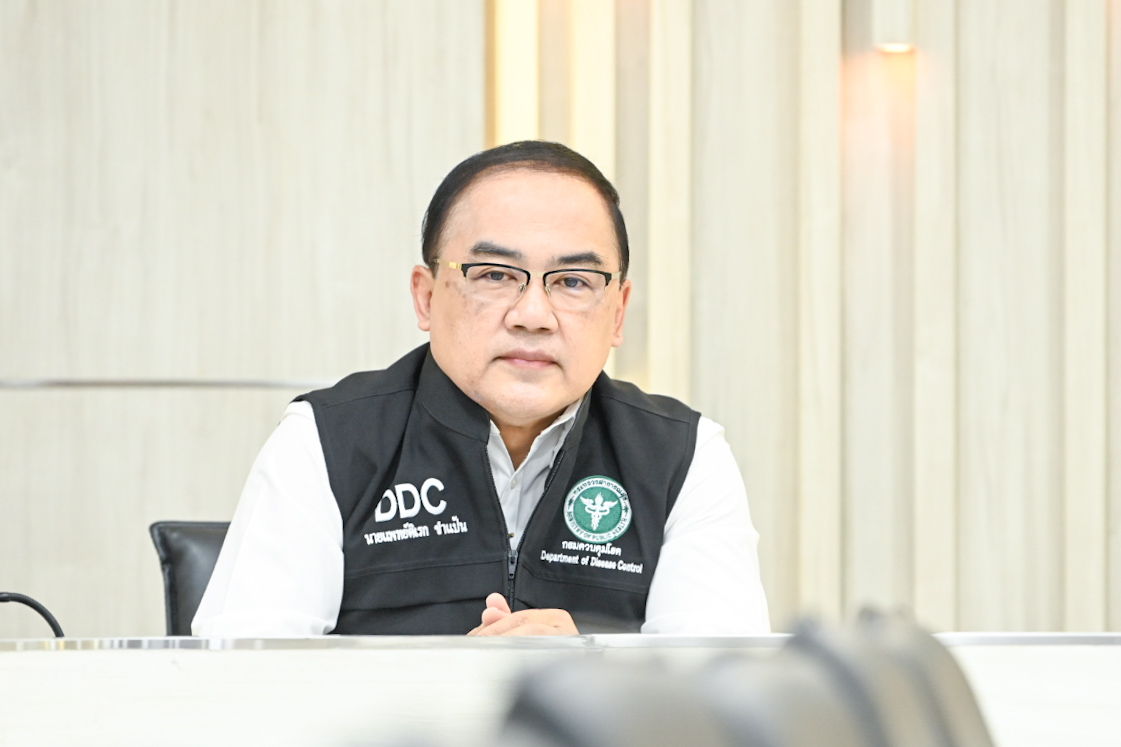
Dr. Direk Khampan. Deputy Director-General of the Department of Disease Control, further emphasized that individuals traveling to farms, zoos, or agricultural tourism sites should protect themselves by washing hands frequently, wearing masks when necessary, and avoiding close contact with sick animals. They should also prioritize consuming freshly cooked food, keep raw and cooked foods separated, and clean kitchen equipment after use. If a significant number of sick or dead poultry is found in a location, it is crucial to report it to the authorities immediately to control the situation swiftly and reduce health risks. Additionally, anyone experiencing symptoms like fever, cough, sore throat, difficulty breathing, or red eyes within 14 days after contact with sick or dead poultry or mammals should seek medical attention promptly and provide a detailed history of exposure to ensure proper diagnosis and timely treatment.
Source: The Department of Disease Control
Articles in this category are written by our editorial team to keep you informed about the latest healthcare and medical tourism news.
More News

Inspire IVF Partners with Thainakarin Hospital to Build a Comprehensive “Medical Ecosystem,” Elevating Fertility Care to International Standards
February 19, 2026

"Asia’s Top Private Hospitals & Clinics 2026 by Statista: Leading Private Hospitals Excel in Refractive Eye Surgery"
February 20, 2026