
Thailand Unveils T-Xeno Hub as Mahidol University, Betagro and NZeno Join Forces to Advance Pig-to-Human Kidney Transplant Research
Landmark collaboration aims to develop genetically modified pigs, establish Thailand as a leading xenotransplantation research hub in ASEAN, and support the country's growing Wellness Econom
Landmark collaboration aims to develop genetically modified pigs, establish Thailand as a leading xenotransplantation research hub in ASEAN, and support the country's growing Wellness Economy.
BANGKOK, November 16, 2026 – Thailand's Ministry of Higher Education, Science, Research and Innovation (MHESI) and Mahidol University have announced a landmark collaboration with Betagro Public Company Limited and New Zealand-based NZeno Limited to advance medical innovation through xenotransplantation technology.
The initiative focuses on researching and developing genetically modified pigs raised under designated pathogen-free conditions, with the long-term objective of enabling pig-to-human kidney transplantation to address the shortage of donated organs and improve patients' chances of survival.
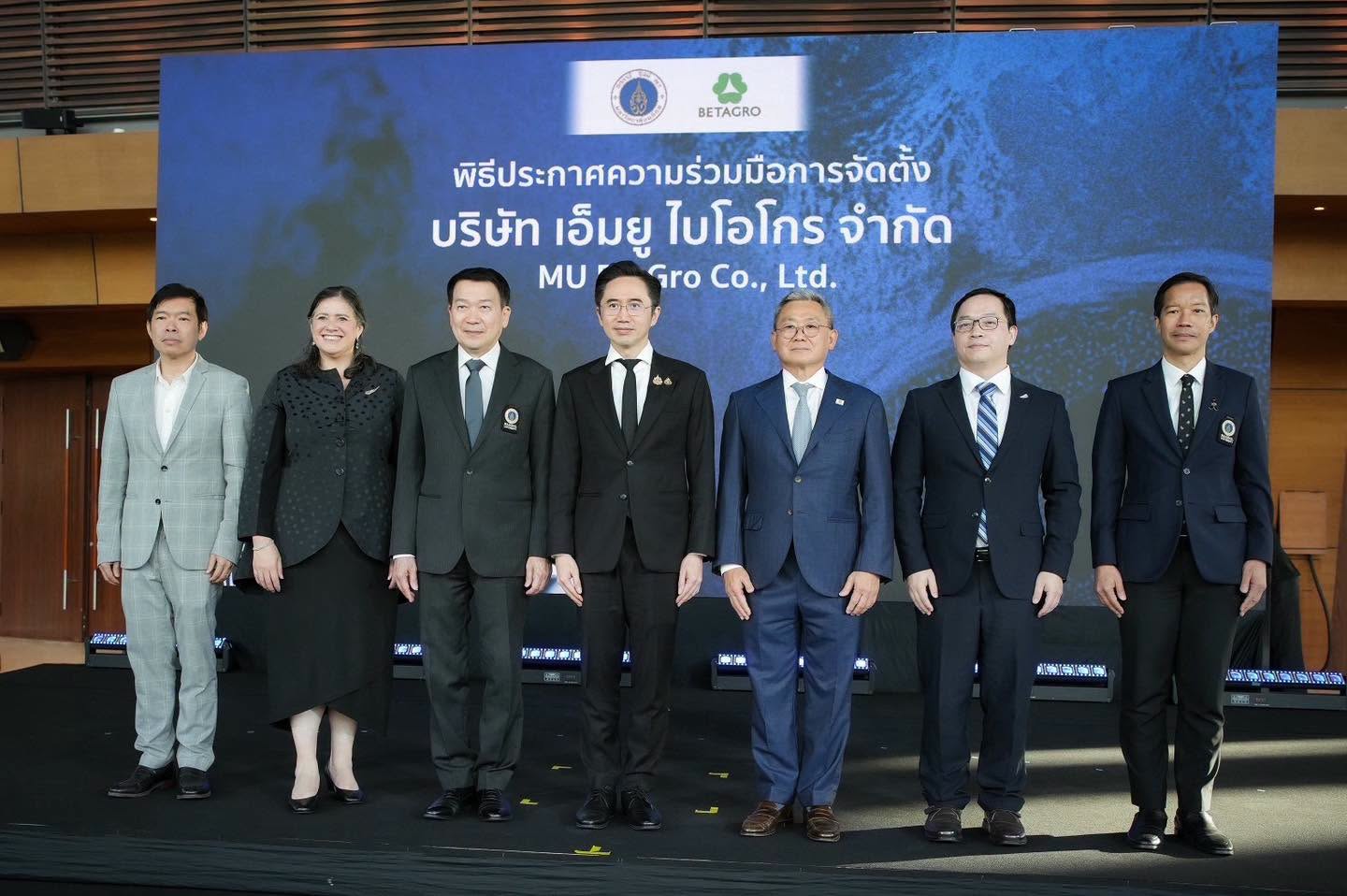
The partnership also includes the establishment of MU BioGro Co., Ltd., a joint venture that will support the development of the Thailand Xenotransplantation Hub (T-Xeno Hub).
The initiative aims to position Thailand as ASEAN's first dedicated xenotransplantation research hub while creating new opportunities for advanced medical innovation and the sustainable development of the global Wellness Economy.
Advancing Health Security Through Deep Technology and Medical Innovation
Professor Dr. Yodchanan Wongsawat, Deputy Prime Minister and Minister of Higher Education, Science, Research and Innovation, emphasized that health security is a fundamental pillar of national economic development, helping reduce public expenditure and strengthen Thailand's competitiveness.
He explained that developing advanced medical innovation is not solely about economic growth. It is also a national priority aimed at saving lives, improving quality of life, and creating more equitable access to healthcare.
Universities play a central role in driving this transformation.
MHESI therefore aims to expand the role of Thai universities beyond traditional education, transforming them into “Mastery Platforms” at the center of a broader Mastery Ecosystem that connects advanced scientific knowledge with deep technology innovation.
The long-term objective is to transform Thailand from a country that primarily purchases advanced technologies into one capable of independently researching, developing, and creating sophisticated innovations.
Professor Dr. Yodchanan further explained that Mahidol University's xenotransplantation collaboration represents a strategic milestone aligned with the Ministry's MHESI Flagship policy.
In particular, the initiative supports the “SIAM MEDICA” strategic pillar, which focuses on building advanced expertise in medicine and scientific wellness, medical devices, and advanced therapy medicinal products (ATMPs).
The development of T-Xeno Hub demonstrates how universities, industry, and international partners can collaborate to apply deep technology and innovation to Thailand's healthcare sector.
The initiative is also expected to strengthen the country's Wellness Economy while opening new possibilities for future medical treatments that could offer hope and improve survival opportunities for Thai patients.
Addressing Thailand's Critical Shortage of Kidney Donors
Professor Dr. Piyamitr Sritara, President of Mahidol University, stated that translating research into meaningful social benefits is a central priority of the university's “Real World Impact” vision.
This approach aims to transform academic knowledge and scientific expertise into practical solutions to real-world challenges, particularly by developing medical technologies that can expand public access to treatment.
One of Thailand's most pressing healthcare challenges is the shortage of organs available for transplantation.
According to figures presented in the announcement, Thailand has more than 110,000 patients with chronic kidney disease.
Data from 2024 indicated that approximately 23,000 patients met the criteria for kidney transplantation, yet only 989 kidney transplants were performed.
As a result, patients awaiting kidney transplantation may face waiting periods exceeding five years, and many die before receiving a suitable donor organ.
Beyond the impact on patients and families, kidney replacement therapy also places a substantial financial burden on the national healthcare system.
Annual expenditure associated with kidney replacement treatment under Thailand's National Health Security system is estimated at approximately THB 36.678 billion.
These challenges highlight the urgent need to develop advanced medical technologies that could expand treatment options, reduce limitations in organ availability, and strengthen Thailand's long-term healthcare capabilities.
Xenotransplantation: Exploring Genetically Modified Pig Organs for Human Transplantation
Professor Dr. Piyamitr explained that xenotransplantation, or cross-species organ transplantation, is an emerging field attracting significant international research interest.
The technology involves investigating the possibility of transplanting organs from animals, particularly genetically modified pigs, into human recipients.
Pigs are considered potential organ donors because their organs have certain anatomical dimensions and physiological characteristics that may be suitable for human transplantation.
However, the technology requires extensive scientific investigation and comprehensive safety evaluation before it can be widely applied in clinical practice.
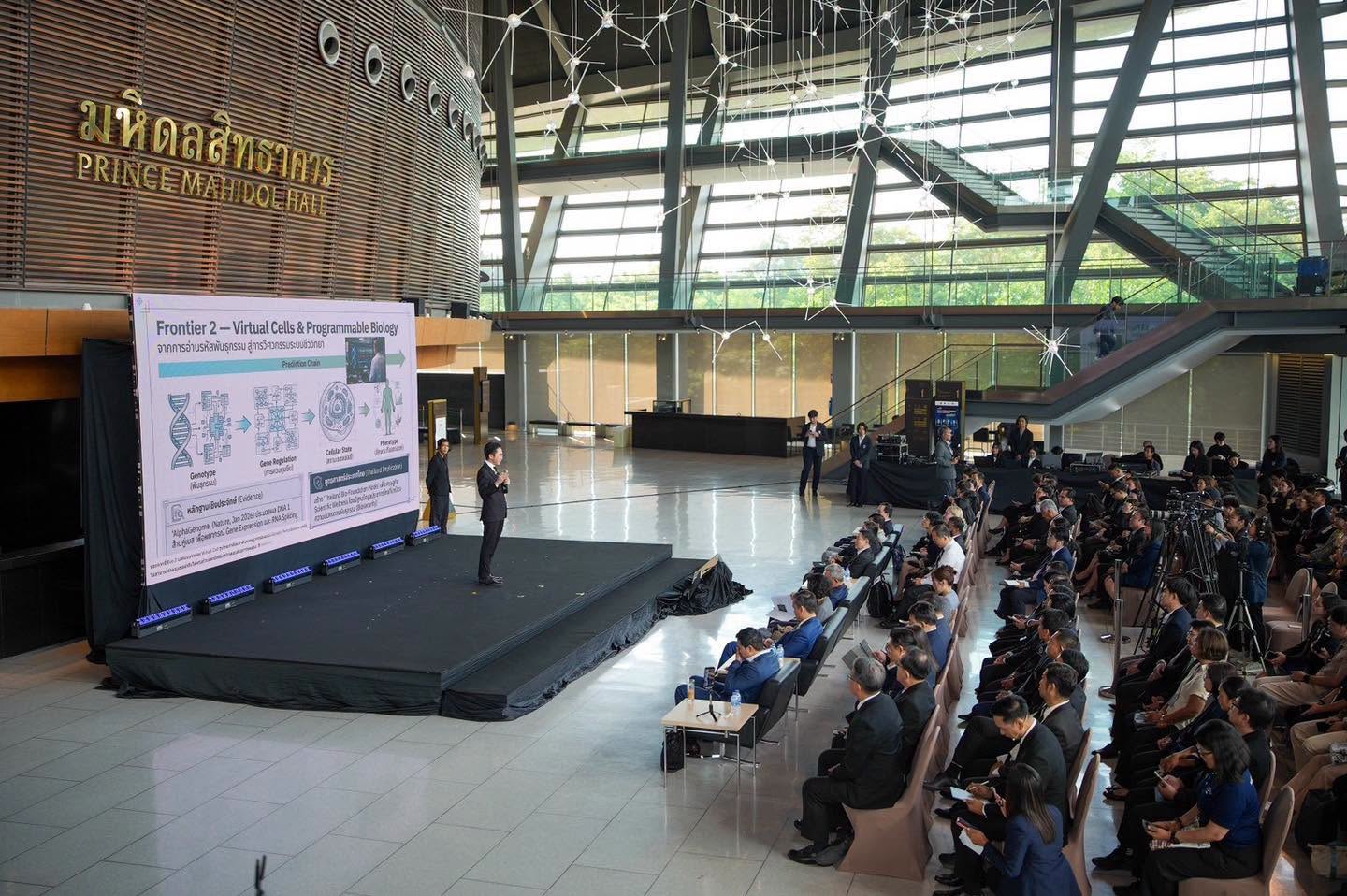
To establish Thailand's research capabilities in this field, Mahidol University is developing the Thailand Xenotransplantation Hub (T-Xeno Hub) through collaboration among the Faculty of Medicine Ramathibodi Hospital, Faculty of Veterinary Science, and Faculty of Medicine Siriraj Hospital.
The initiative aims to establish a research platform for producing genetically modified pigs raised under designated pathogen-free (DPF) conditions.
The research will build upon animal cloning technology, genetic engineering, and biological safety management.
During its initial 18-month phase, the project aims to advance its Technology Readiness Level (TRL) from TRL 4 to TRL 5.
International knowledge transfer will also be an important component, helping develop specialized personnel and strengthen Thailand's research capabilities in advanced medical technology.
Combining Mahidol University's Expertise in Animal Cloning and Kidney Transplantation
Professor Dr. Piyamitr highlighted Mahidol University's existing strengths as an important foundation for the initiative.
According to the university, its Faculty of Veterinary Science ranks 63rd globally and has more than 16 years of experience in animal cloning technology.
This expertise will be combined with the capabilities of the Faculty of Medicine Siriraj Hospital and Faculty of Medicine Ramathibodi Hospital, both of which have extensive experience in kidney transplantation and the treatment of patients with kidney disease.
However, transforming advanced research into safe, practical applications requires collaboration beyond academic institutions.
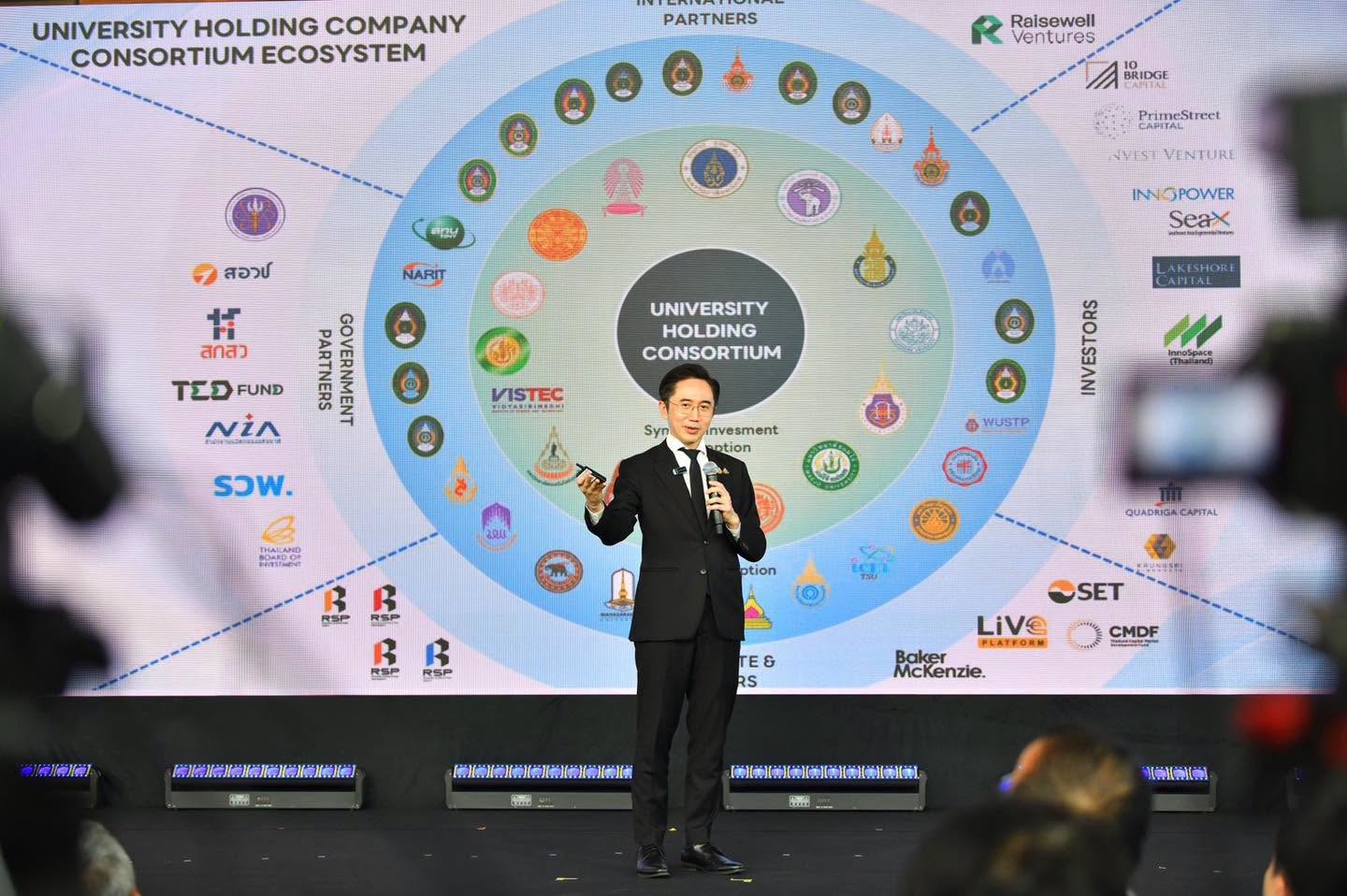
Mahidol University is therefore adopting the Triple Helix model, bringing together government, universities, and industry to accelerate innovation.
Under this framework, the university has partnered with Betagro Public Company Limited to integrate academic research with private-sector production capabilities and infrastructure.
The collaboration will support the development of pathogen-controlled pig production systems while establishing MU BioGro Co., Ltd. as a mechanism for connecting research with industrial applications.
The joint venture will support activities ranging from technology and production process development to the potential commercialization of future medical innovations.
Mahidol University is also working with NZeno Limited of New Zealand to strengthen its expertise in genetically modified pigs and xenotransplantation research.
The partnership will facilitate the transfer of specialized knowledge and technologies, develop Thai research personnel, and establish the foundations for future human xenotransplantation studies conducted under appropriate safety requirements.
Professor Dr. Piyamitr emphasized that collaboration among government, academia, and industry, both domestically and internationally, will be essential to advancing Thailand's xenotransplantation capabilities.
The long-term objective is to develop alternative organ sources, improve patient survival and quality of life, and potentially reduce healthcare expenditure.
Betagro Expands Its Expertise from Food Security to Advanced Medical Biotechnology
Mr. Vasit Taepaisitphongse, Chief Executive Officer of Betagro Public Company Limited, said that xenotransplantation represents an opportunity to apply industrial expertise to the development of advanced medical technologies.
The initiative aligns with Betagro's vision of expanding its contribution from Food Security toward Sustainable Life, using its livestock industry knowledge and infrastructure to support research with potential long-term social benefits.
Betagro recognizes the importance of developing standardized production facilities and infrastructure to ensure that xenotransplantation research can progress systematically.
With more than 59 years of experience in the integrated agricultural and food industries, the company will contribute its expertise in farm management, specific pathogen-free (SPF) livestock systems, quality control, and biosecurity.
These capabilities will support the development of designated pathogen-free (DPF) pig production systems in collaboration with Mahidol University and its technology partners.
A key component of the partnership is the establishment of a DPF-standard medical pig production facility at Mahidol University's Kanchanaburi Campus.
The facility is expected to be completed within 18 months.
It will provide a controlled environment for raising pigs under appropriate biosecurity standards for medical research.
The production system will require environmental management, quality assurance, and systematic pathogen surveillance to support future xenotransplantation technology development.
Betagro emphasized that the collaboration represents more than initial research support. It also involves private-sector investment and the development of new national capabilities.
The company aims to help establish a foundation that could eventually enable Thai patients to access advanced medical treatments more equitably.
NZeno to Transfer Genetic Engineering Technology and Medical-Grade Cell Lines
Mr. Peter Lai, Chief Executive Officer of NZeno Limited, explained that the New Zealand biotechnology company specializes in developing pigs for xenotransplantation research.
Its expertise includes genetic modification of pig cells, the development of genetically modified pigs, and designated pathogen-free production systems intended to support research into potential organ sources for human transplantation.
NZeno has accumulated experience in developing pigs under DPF conditions in New Zealand and maintains technology collaborations with international partners.
These capabilities will contribute to the development of T-Xeno Hub in Thailand.
One of the most important technological components of xenotransplantation research is the preparation of high-quality medical-grade cell lines suitable for medical research.
Under the collaboration, NZeno will support technology transfer and the provision of these cell lines, which will serve as starting materials for developing genetically modified pigs for xenotransplantation research.
The company will also transfer expertise in pig development and biosecurity management, particularly the operation of DPF systems.
Such systems require continuous pathogen surveillance and testing to reduce infection risks potentially associated with the use of pig-derived cells, tissues, or organs in humans.
Mr. Lai expressed confidence that the partnership with Mahidol University and its Thai collaborators would create an important opportunity to develop advanced biotechnology expertise domestically.
He emphasized that the objective extends beyond transferring foreign technology.
The collaboration aims to jointly develop scientific knowledge, research expertise, and technological capabilities, establishing a systematic foundation for xenotransplantation research in Thailand while maintaining rigorous safety evaluation.
T-Xeno Hub to Strengthen Thailand's Position in Advanced Medicine and the Wellness Economy
The establishment of T-Xeno Hub and MU BioGro represents a strategic effort to connect academic research, private-sector capabilities, and international biotechnology expertise.
By integrating the strengths of Mahidol University, Betagro, and NZeno, the initiative aims to develop the infrastructure and scientific knowledge needed for future xenotransplantation research.
The project also reflects Thailand's ambition to strengthen its position as a regional center for advanced medical innovation and contribute to the development of the Wellness Economy.
If future research demonstrates sufficient safety and effectiveness, xenotransplantation could potentially expand treatment options for patients facing long waiting periods for donated organs.
Nevertheless, the technology remains under research and development, and further scientific investigation, safety assessments, clinical studies, and regulatory approvals will be required before broader clinical applications can be considered.
Through this collaboration, Thailand aims to build the foundations for a new generation of transplant medicine while strengthening its long-term scientific, technological, and healthcare capabilities.
Articles in this category are written by our editorial team to keep you informed about the latest healthcare and medical tourism news.
