
How to Treat lumbar disc herniation with Nerve Compression Effectively? “Targeted, Safe, and Permanent Recovery”
Complete service information and details
Description
How to Treat lumbar disc herniation with Nerve Compression Effectively? “Targeted, Safe, and Permanent Recovery”
Back pain, radiating pain down the legs, numbness, or weakness in the legs are common symptoms of lumbar disc herniation with nerve compression. This condition is frequently seen in working-age individuals, and if left untreated, severe cases can affect urinary and bowel functions.
Currently, most patients with lumbar disc herniation start with non-surgical treatments, including pain medications, anti-inflammatory drugs, or neuropathic pain medications, as well as physical therapy. However, some patients may not respond well to these treatments, resulting in worsening symptoms that hinder daily activities. As a result, surgery may be required to permanently resolve the issue and reduce the risk of recurrence.
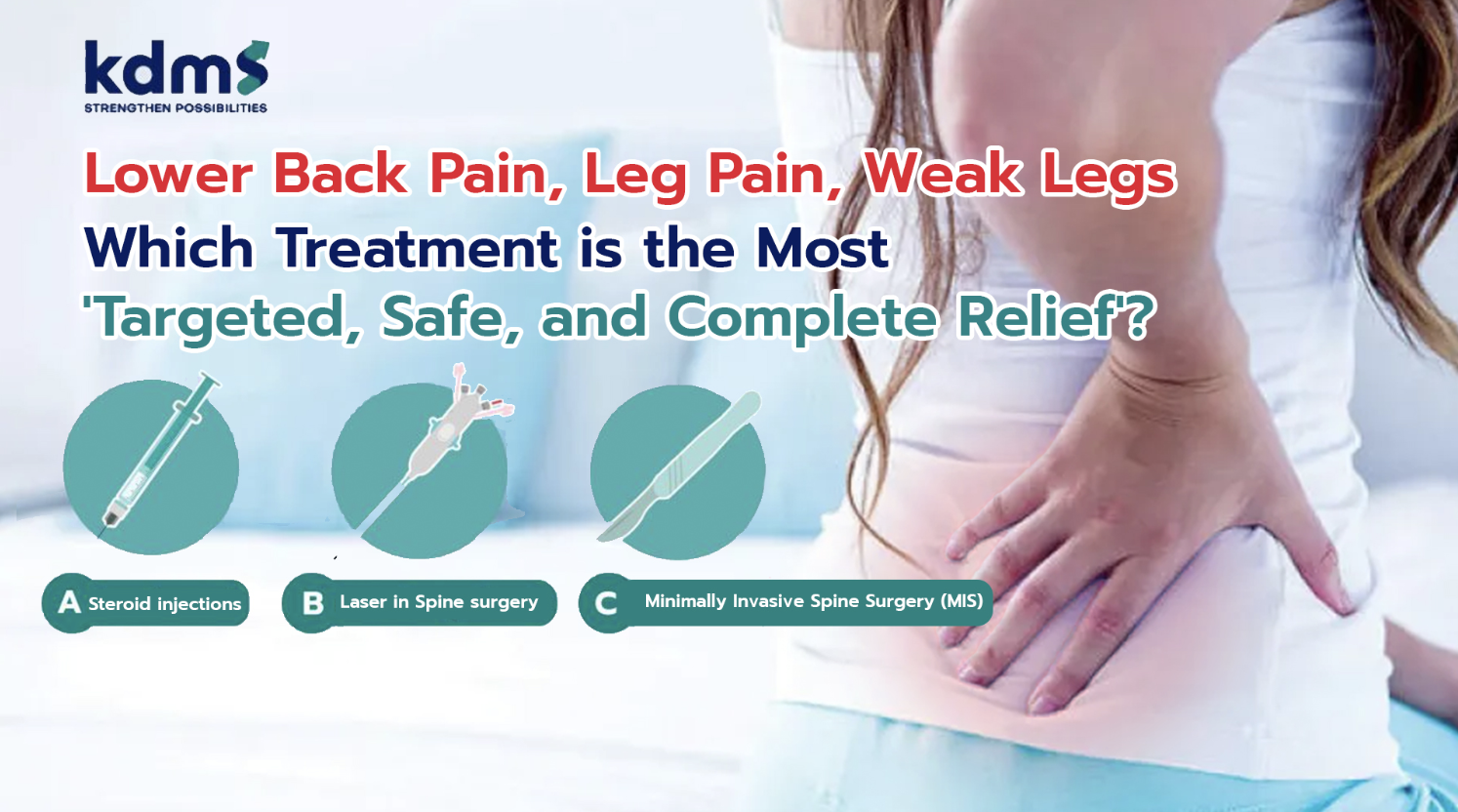
Three treatment options for lumbar disc herniation with nerve compression: epidural steroid injections, laser surgery, and minimally invasive spine surgery.
1. Epidural Steroid injections
Patients seeking to avoid surgery.
Patients with multiple health conditions that make surgery risky.
Patients with pain only, without muscle weakness or urinary/bowel issues.
Benefits of Epidural Steroid Injections:Helps diagnose the source of symptoms, especially when multiple disc herniations are present but only one level is causing the pain.
Provides effective short-term pain relief, allowing patients to resume daily activities.
Safe for patients with multiple chronic health conditions who are not good candidates for surgery.
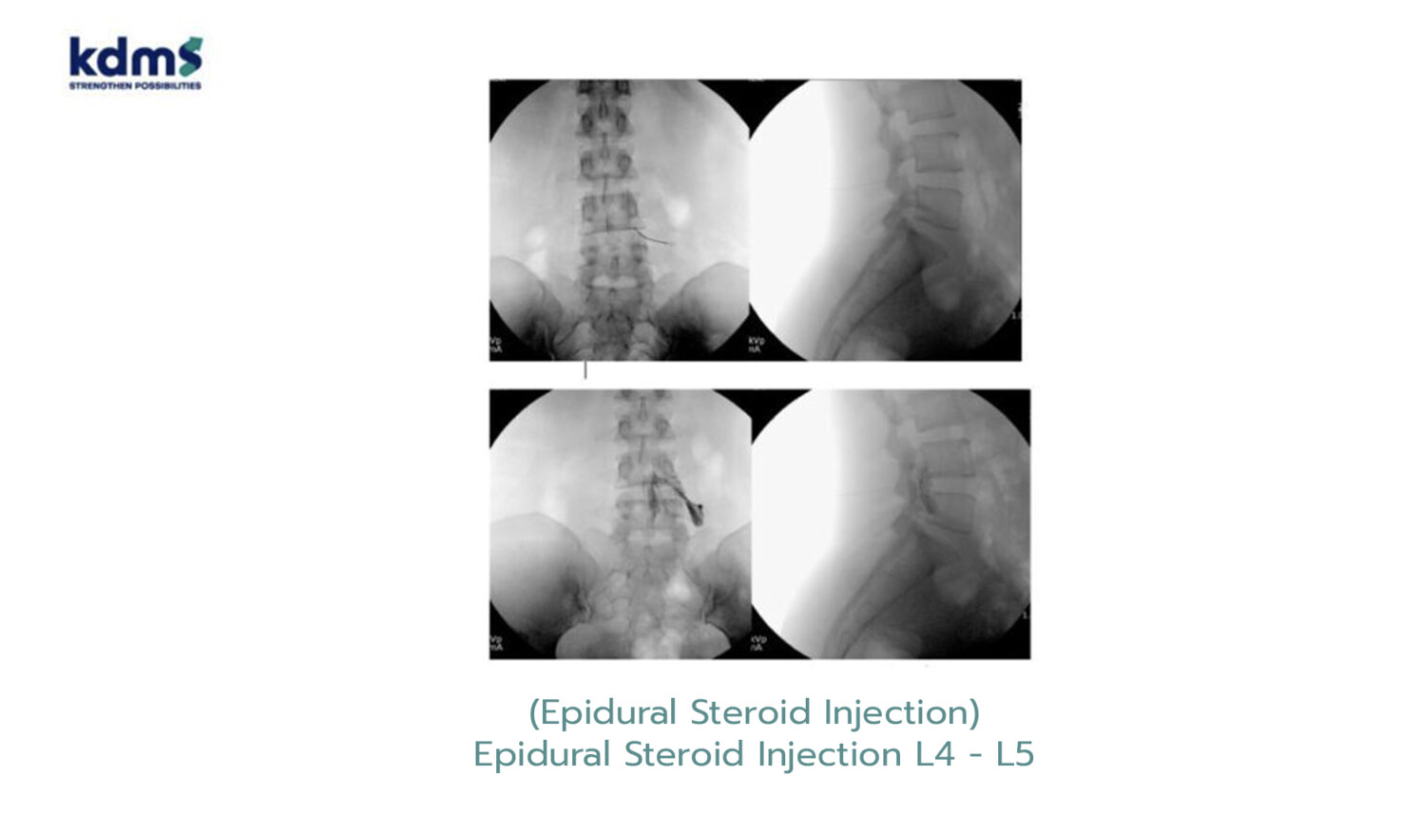
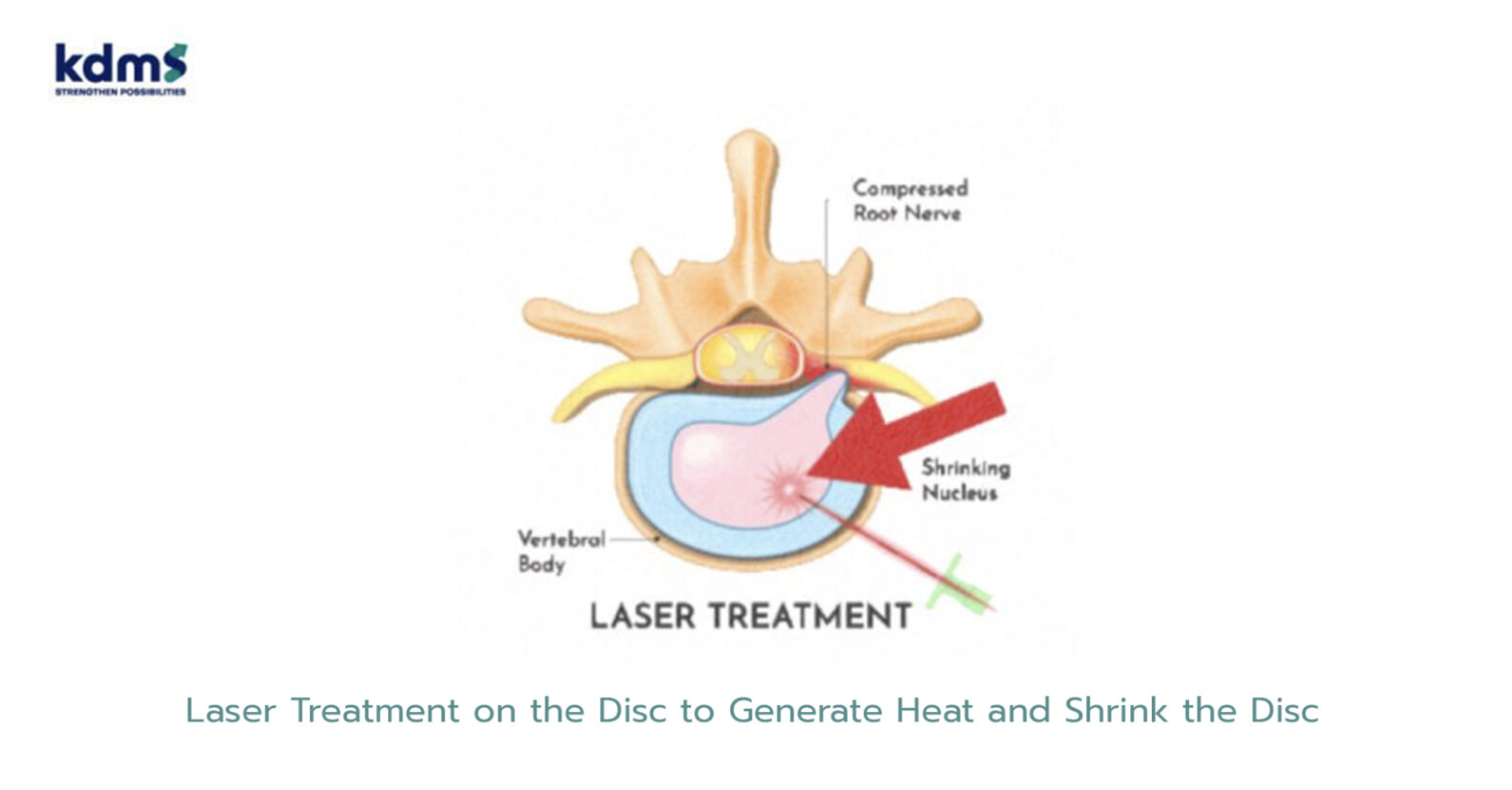
2. Laser Spine Surgery (Laser)
Mostly used for treating bulging or herniated discs that are minimally compressing the nerve.
Benefits of Laser Spine Surgery:
- Ideal for patients with mild disc herniation that is compressing the nerve.
- Less invasive compared to traditional open surgery, with a faster recovery time.
3. Minimally Invasive Spine Surgery (MIS)
Non-Fusion Surgery (Non-Fusion)
- Patients with leg pain due to disc herniation or spinal stenosis.
- Patients without spinal instability.
Fusion Surgery (Fusion)
- Patients with unstable spinal segments.
- Patients with severe spinal stenosis and advanced joint degeneration
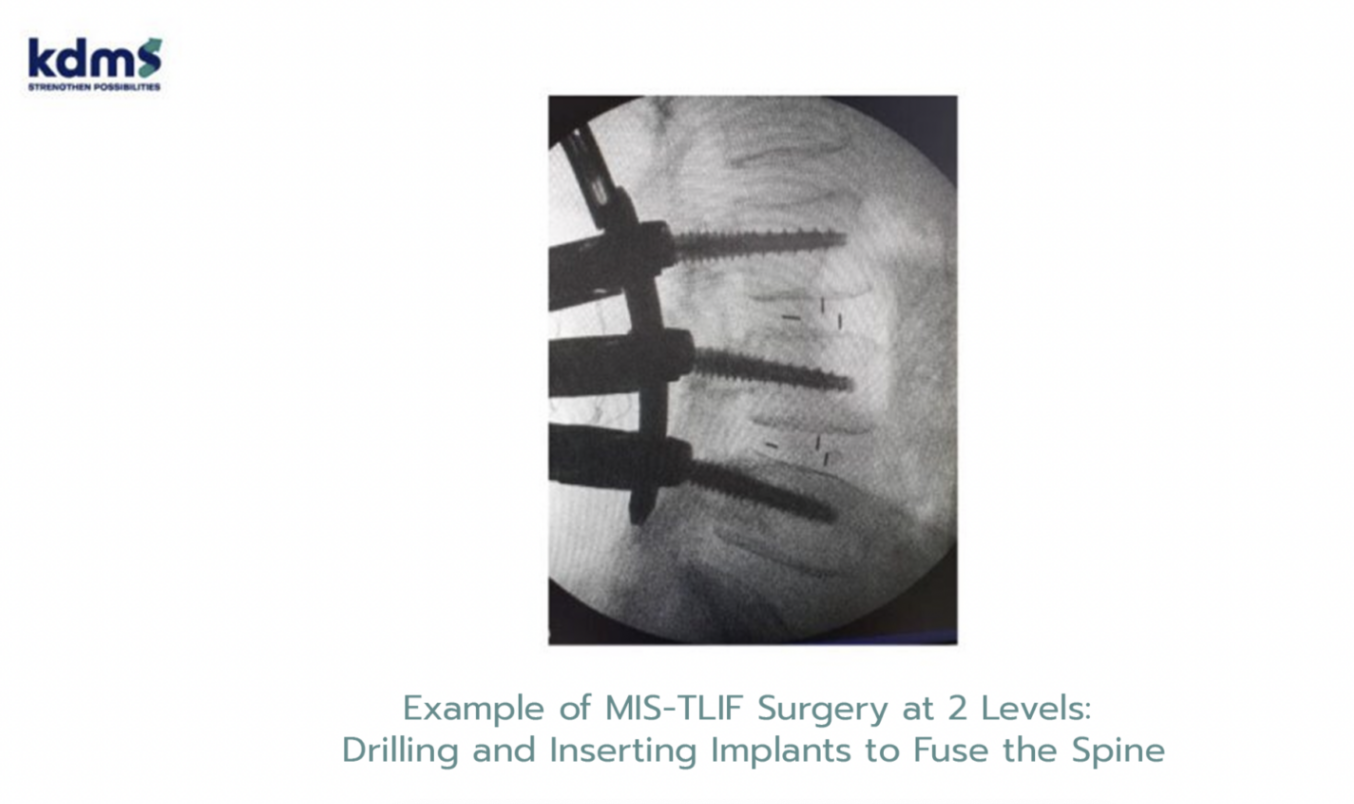
Benefits of Minimally Invasive Spine Surgery:
Smaller incisions
Reduced tissue damage and post-operative pain.
Reduced blood loss.
Reduced infection rates.
Shorter hospital stays and quicker recovery times.
Not suitable for every patient; careful evaluation is necessary to determine suitability.
What's Included
- Initial Consultation
- Treatment Procedure
- Follow-up Care
- Medical Report
Pricing
Contact for pricing
Final price depends on your specific requirements
Contact Us
Reach out through any of these channels:
Provider Information

kdms Orthopedic Hospital
Bangkok, Thailand

Knee Treatment
Commonly found knee diseases Knee pain and swelling, stiff knee joint, knee clicking or popping sound Limb deformity Sharp knee pain while using Upper

Hip treatment
Hip treatments To recover patients from hip abnormalities, various choices of treatments are available considering their conditions as well as severit

Unicompartmental Knee Arthroplasty (UKA): Effective Knee Solution with Quick Recovery
What Causes Knee Osteoarthritis? Knee osteoarthritis occurs when bones become misaligned or cartilage wears down and deteriorates, causing the knee me

Advanced Spinal Disease Treatments
The spine and the intricate network of muscles that surround it play a crucial role in supporting the upper body, from the head down to the lower limb

Comprehensive Shoulder Joint Disorder Treatments
Shoulder joint pain, whether it occurs in the front, on the side, or behind the shoulder, is a common ailment that can significantly affect your daily

Back Pain You Need to Know
Did you know? Back pain can be caused by many factors. When a patient experiences back pain, the doctor will start by taking a thorough medical histor