ArokaGO
  • 커뮤니티

회사

ArokaGO

당신이 신뢰할 수 있는 의료 관광 플랫폼. 태국의 세계적 수준의 의료 서비스 제공자와 연결됩니다.

Apple StoreGoogle Play
FacebookInstagramYouTubeTikTokLinkedInRahu

환자용

  • 대시보드
  • 제공자 검색
  • 로그인
  • 환자로 등록
  • 예약하기

제공자용

  • 대시보드
  • 예약
  • 채팅
  • 로그인
  • 제공자로 가입

문의

  • 방콕, 태국
  • +82 10-0000-0000
  • contact@arokago.com

법률

  • 면책 조항
  • 개인정보 보호정책
  • 리뷰 정책
  • 광고

© 2026 ArokaGO. 모든 권리 보유.

  1. 기사
  2. Mother & Child
  3. Depression During Pregnancy: A Warning Sign Expecting Mothers Should Not Ignore

Depression During Pregnancy: A Warning Sign Expecting Mothers Should Not Ignore

MMedPark Hospitalon March 28, 20264분 읽기
Depression During Pregnancy: A Warning Sign Expecting Mothers Should Not Ignore

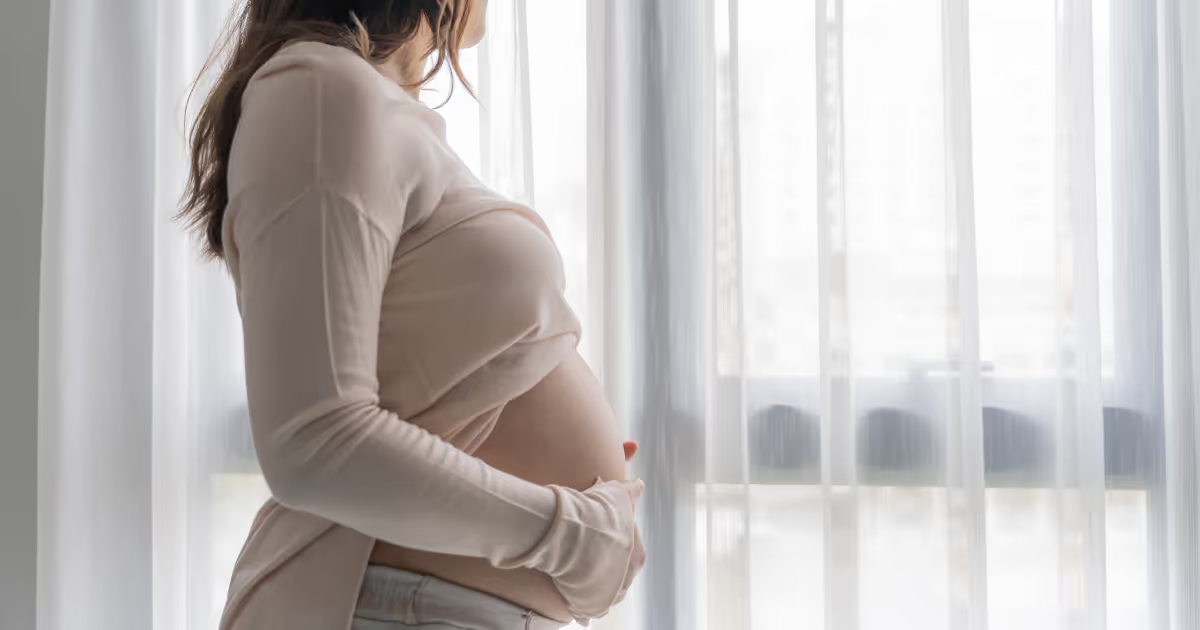
Depression during pregnancy can cause mothers to feel more exhausted than usual, have difficulty sleeping, lose their appetite, and lose interest in their surroundings. Importantly, it may also affect the baby, increasing the risk of preterm birth and low birth weight.


Depression During Pregnancy: A Warning Sign Expecting Mothers Should Not Ignore

Pregnancy doesn’t only change a mother’s body or lifestyle-it also affects emotions and mental well-being. During this time, mothers may experience anxiety, fatigue, emotional distress, and the responsibility of caring for both their own health and their baby’s. If these feelings accumulate without being addressed, they may lead to depression during pregnancy.

Depression during pregnancy can cause persistent fatigue, difficulty sleeping, loss of appetite, and a lack of interest in daily life. More importantly, it may also impact the baby, increasing the risk of preterm birth, low birth weight, and potential emotional or behavioral challenges in the future. Depression can occur at any stage-from pregnancy through the postpartum period.Therefore, mental health during pregnancy is just as important as physical health. Taking care of both mind and body is not only self-care-it is also essential for supporting the healthy development of the baby.


Depression & Mood Swings: What Causes Emotional Changes During Pregnancy

Emotional changes during pregnancy can be influenced by several factors, including:

 - Hormonal changes: Fluctuations in hormones such as progesterone and estrogen affect both physical and emotional states, making mothers more sensitive, moody, or fatigued than usual.

 - Physical symptoms: Common pregnancy symptoms like morning sickness can lead to accumulated fatigue, impacting daily mood.

 - Lifestyle factors: Lack of adequate rest can negatively affect emotional well-being and overall feelings.

 - Psychological factors: Thoughts, worries, and pressure from those around you-especially adapting to a new role and responsibility for another life-can increase anxiety, particularly in unplanned pregnancies.

 - Chronic stress: Ongoing stress can affect relationships, work life, and overall quality of life. Importantly, a mother’s stress can also impact the baby during pregnancy.


Warning Signs of Depression During Pregnancy

Mood swings during pregnancy are common, but some feelings may go beyond normal stress or fatigue. If these symptoms persist, they may indicate that a mother needs extra emotional support, such as:

  - Persistent fatigue, low energy, or exhaustion even after adequate rest

  - Loss of interest or pleasure in activities once enjoyed

  - Coping with stress through unhealthy behaviors, such as smoking or alcohol use

  - Excessive anxiety about oneself or the baby, feeling constantly uneasy

  - Feeling disconnected from the pregnancy, avoiding talking about the baby, or withdrawing from others despite having support

In some cases, these emotions may become more severe, leading to feelings of hopelessness, low self-worth, or thoughts of self-harm. These are serious warning signs that should not be ignored.If these symptoms last longer than two weeks, it is important to speak with a healthcare professional. Seeking help is not a sign of weakness-it is an important step in caring for both the mother and the baby.


Self-Care and Emotional Healing During Pregnancy

     Once you become aware of your emotions, you can begin taking care of yourself through small, meaningful actions that bring comfort each day. This may include getting enough rest, talking with loved ones, engaging in relaxing activities, or doing light exercise. It doesn’t have to be anything big-simply choosing what makes you feel better is enough.

     Having supportive people around you who understand and are willing to listen can make a big difference. A partner or family members can help observe emotional changes and offer encouragement on days when you feel overwhelmed. Caring for a mother’s emotional well-being during pregnancy also creates a warm and nurturing environment for the baby to grow with a sense of security and calm.


Mental Health Is the Foundation of a Healthy Pregnancy

     Pregnancy is a time when both the body and mind undergo significant changes. Beyond physical care, emotional well-being is equally important and should not be overlooked. Feeling tired, anxious, or emotionally sensitive at times is completely normal. Taking care of your mental health by allowing yourself to relax, not putting too much pressure on yourself, and staying emotionally balanced-is another form of caring for your pregnancy.

     When a mother feels emotionally well, that sense of warmth is passed on to the baby. Most importantly, maintaining good mental health can help reduce the risk of postpartum depression and prepare mothers to step confidently into their new role without feeling alone.


Source : MedPark Hospital

**Translated and compiled by ArokaGO Content Team

M
MedPark Hospital

독립 작가

이 기사 공유

이 페이지에서
  • Depression During Pregnancy: A Warning Sign Expecting Mothers Should Not Ignore
  • Depression & Mood Swings: What Causes Emotional Changes During Pregnancy
  • Warning Signs of Depression During Pregnancy
  • Self-Care and Emotional Healing During Pregnancy
  • Mental Health Is the Foundation of a Healthy Pregnancy

이 기사 공유

M
MedPark Hospital

작가

더 많은 기사

건강 관리 및 의료 관광에 대한 더 많은 인사이트를 발견하세요.

고령자에서 RSV 관련 폐렴은 백신 접종으로 예방할 수 있습니다
Mar 28, 2026•Health

고령자에서 RSV 관련 폐렴은 백신 접종으로 예방할 수 있습니다

호흡기 세포융합 바이러스(RSV)는 호흡기 감염을 일으키는 바이러스로, 고령자에서 바이러스성 폐렴의 두 번째 주요 원인입니다. 증상은 인플루엔자와 유사하게 발열, 기침, 콧물, 호흡 곤란, 쌕쌕거림(천명음) 등이 포함됩니다. 많은 사람들이 RSV가 어린 아이들에게만 영향을 미친다고 생각하지만, 실제로는 당뇨병, 심장질환, 만성 폐질환과 같은 기저 질환이 있는 고령자에서 RSV 관련 폐렴이 발생할 위험이 높으며, 이 폐렴은 심각하고 생명을 위협할 수도 있습니다.

손가락 관절 통증의 4가지 경고 신호: 어떤 흔한 질환을 의미할 수 있나요?
Mar 28, 2026•지식

손가락 관절 통증의 4가지 경고 신호: 어떤 흔한 질환을 의미할 수 있나요?

손가락 관절 통증은 많은 사람들이 다양한 정도로 경험하는 일반적인 증상입니다. 그러나 이는 관절과 관련된 기저 질환의 경고 신호일 수 있습니다. 이 글에서는 손가락 관절 통증과 관련된 일반적인 질환과 그 원인, 증상, 적절한 치료 방법에 대해 설명하여, 건강을 관리하고 적기에 의료기관을 방문할 수 있도록 도와드립니다.

수면무호흡증 치료를 위한 설하신경 자극
Mar 28, 2026•Health

수면무호흡증 치료를 위한 설하신경 자극

폐쇄성 수면 무호흡증(Obstructive Sleep Apnea, OSA)은 전반적인 건강에 중대한 영향을 미치는 질환입니다. 수면 중 반복적인 호흡 정지나 기도 폐쇄는 주간 졸림, 피로, 집중력 저하를 초래할 뿐만 아니라 고혈압, 심혈관계 질환, 뇌졸중의 위험을 증가시킵니다. 그러나 이 질환은 설신경 자극술(Hypoglossal Nerve Stimulation, HNS)로 치료할 수 있습니다. 이 치료법은 혀의 움직임을 조절하는 신경을 자극하여 수면 중 기도가 열려 있도록 도와 폐쇄를 방지합니다. 이는 삶의 질을 향상시키고 증상을 줄이며, 환자에게 효과적이고 안전한 대안을 제공하는 선진 치료 옵션입니다.