
Chinese Scientists Develop Genetically Modified Rice with Antioxidant to Support Heart Health
Shanghai,(Xinhua) – A team of Chinese scientists has successfully developed a new rice variety using gene-editing techniques that enables the production of Coenzyme Q10 (CoQ10), an antioxidant that provides cardiovascular health benefits to consumers.
Coenzyme Q10 is a fat-soluble antioxidant naturally produced by the human body and plays a crucial role in overall health, particularly heart function. However, CoQ10 production declines with age, making dietary supplementation beneficial. Grains like rice, as well as certain fruits and vegetables, primarily synthesize Coenzyme Q9 (CoQ9) instead of CoQ10.
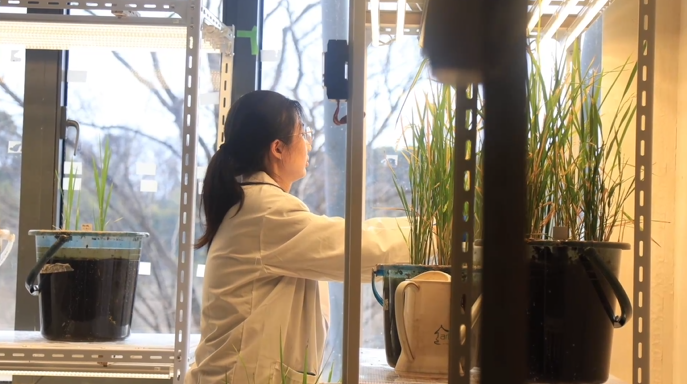
The research team analyzed the natural evolutionary variations in Coenzyme Q1 (Coq1) enzymes across more than 1,000 plant species. By applying machine learning (ML) techniques, scientists successfully modified five key amino acids in the Coq1 enzyme within rice plants, allowing them to synthesize CoQ10 instead of CoQ9. Importantly, this genetic modification did not affect rice yield, ensuring the feasibility of large-scale production.
This study also highlights how big data and artificial intelligence (AI) can be applied to crop breeding and genetic improvements. Similar research efforts are underway to enhance wheat varieties using the same approach.
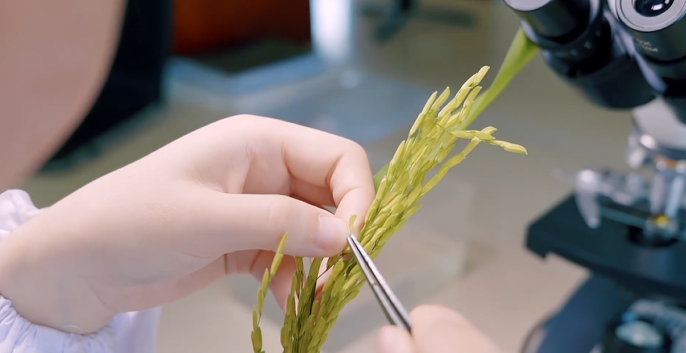
The research team includes scientists from the Center for Excellence in Molecular Plant Science/Shanghai Chenshan Research Center and the Institute of Genetics and Developmental Biology in Beijing, all affiliated with the Chinese Academy of Sciences (CAS). The findings were published online in the journal Cell on Friday, Feb. 14.
Source
Xinhuathai News
Articles in this category are written by our editorial team to keep you informed about the latest healthcare and medical tourism news.

