
Pranangklao Hospital Successfully Performs First Mechanical Thrombectomy, Expanding Advanced Stroke Treatment in Thailand
Pranangklao Hospital in Nonthaburi, Thailand, has successfully treated its first stroke patient using Mechanical Thrombectomy, a minimally invasive procedure that removes blood clots from blocked arteries in the brain. The milestone, achieved on October 7, 2026, through collaboration between multidisciplinary medical teams from Pranangklao Hospital and Pathum Thani Hospital, marks an important advancement in acute ischemic stroke treatment and aims to improve access to specialized stroke care across Thailand’s Health Region 4.
Pranangklao Hospital in Nonthaburi, Thailand, has successfully treated its first stroke patient using Mechanical Thrombectomy, a minimally invasive procedure that removes blood clots from blocked arteries in the brain. The milestone, achieved on October 7, 2026, through collaboration between multidisciplinary medical teams from Pranangklao Hospital and Pathum Thani Hospital, marks an important advancement in acute ischemic stroke treatment and aims to improve access to specialized stroke care across Thailand’s Health Region 4.
The introduction of Mechanical Thrombectomy represents another step in strengthening the hospital's stroke treatment capabilities, particularly for patients experiencing acute ischemic stroke caused by large vessel occlusion (LVO).
By expanding access to advanced endovascular treatment within the region, the hospital aims to shorten referral times, improve emergency response and increase the likelihood of better clinical outcomes for eligible stroke patients.
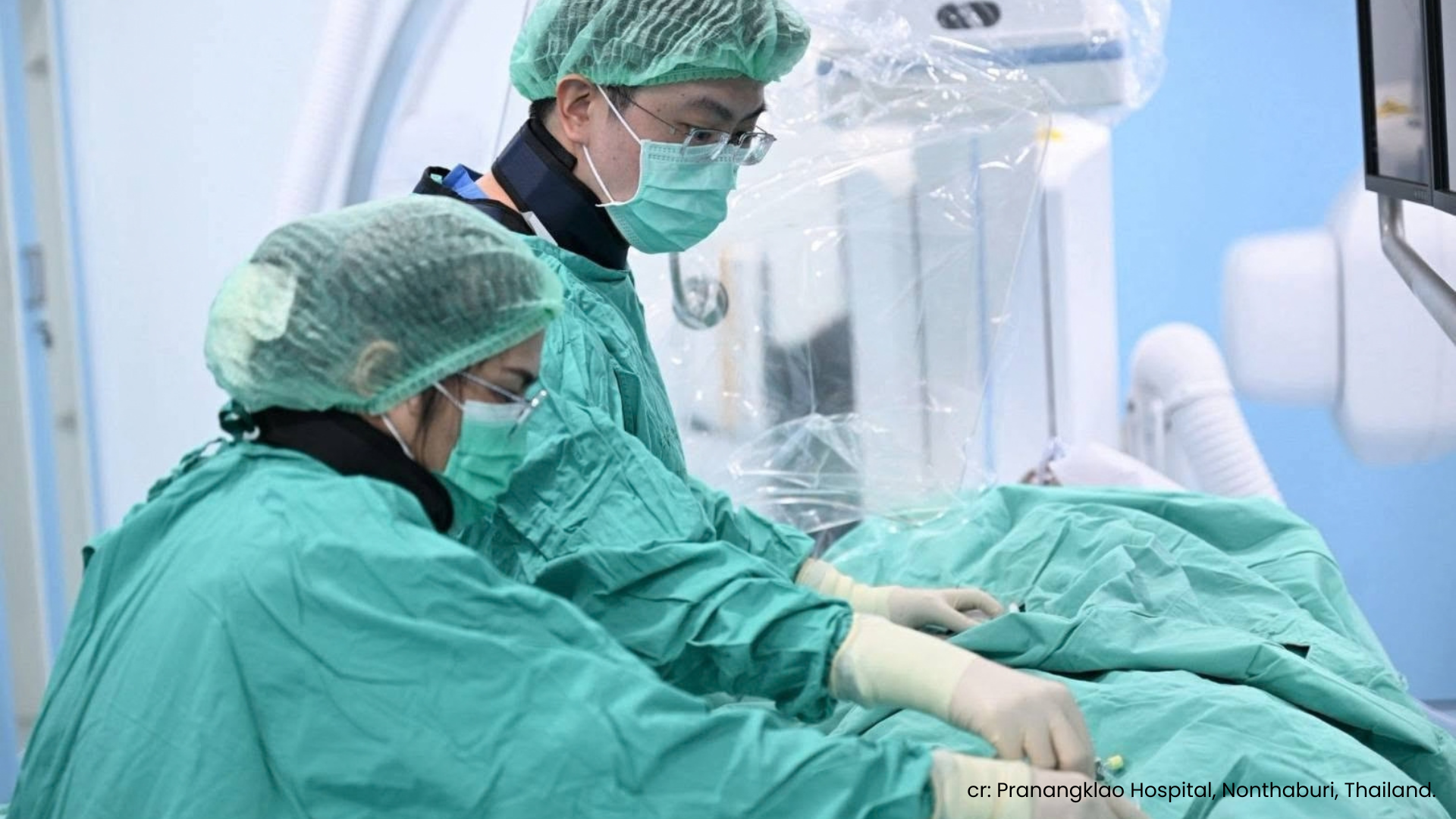
Pranangklao Hospital Strengthens Advanced Stroke Treatment Services
Dr. Sakon Sukphrom, Director of Pranangklao Hospital, said the hospital has continuously developed its stroke care services through the Stroke Unit under the Department of Internal Medicine, focusing on timely diagnosis, emergency intervention and coordinated patient management.
The hospital recently introduced Mechanical Thrombectomy services through collaboration between multidisciplinary teams from Pranangklao Hospital and Pathum Thani Hospital.
The successful treatment of the first patient on October 7, 2026, represents a significant development in the hospital's ability to manage complex stroke emergencies.
The new service is expected to strengthen specialized stroke care capacity in Nonthaburi Province and support the wider healthcare referral network across Health Region 4.
What Is Mechanical Thrombectomy and How Does It Treat Ischemic Stroke?
Mechanical Thrombectomy, also known as Endovascular Thrombectomy, is a minimally invasive medical procedure used to remove blood clots from arteries supplying the brain.
During the procedure, a specialist inserts a catheter through a blood vessel and guides it toward the blocked artery in the brain. Specialized devices are then used to retrieve or remove the clot, allowing blood flow to be restored to affected brain tissue.
Mechanical Thrombectomy is an established treatment for selected patients with acute ischemic stroke, particularly those experiencing large vessel occlusion (LVO), in which a major artery supplying the brain becomes blocked.
LVO is a serious medical emergency because the interruption of blood flow deprives brain tissue of oxygen and nutrients, potentially resulting in permanent neurological damage, disability or death.
For appropriately selected patients, Mechanical Thrombectomy can improve functional outcomes and reduce the likelihood of long-term disability.
However, not every stroke patient is eligible for the procedure. Treatment decisions depend on several clinical factors, including the location of the blockage, time since symptom onset, brain imaging findings and the patient's overall medical condition.
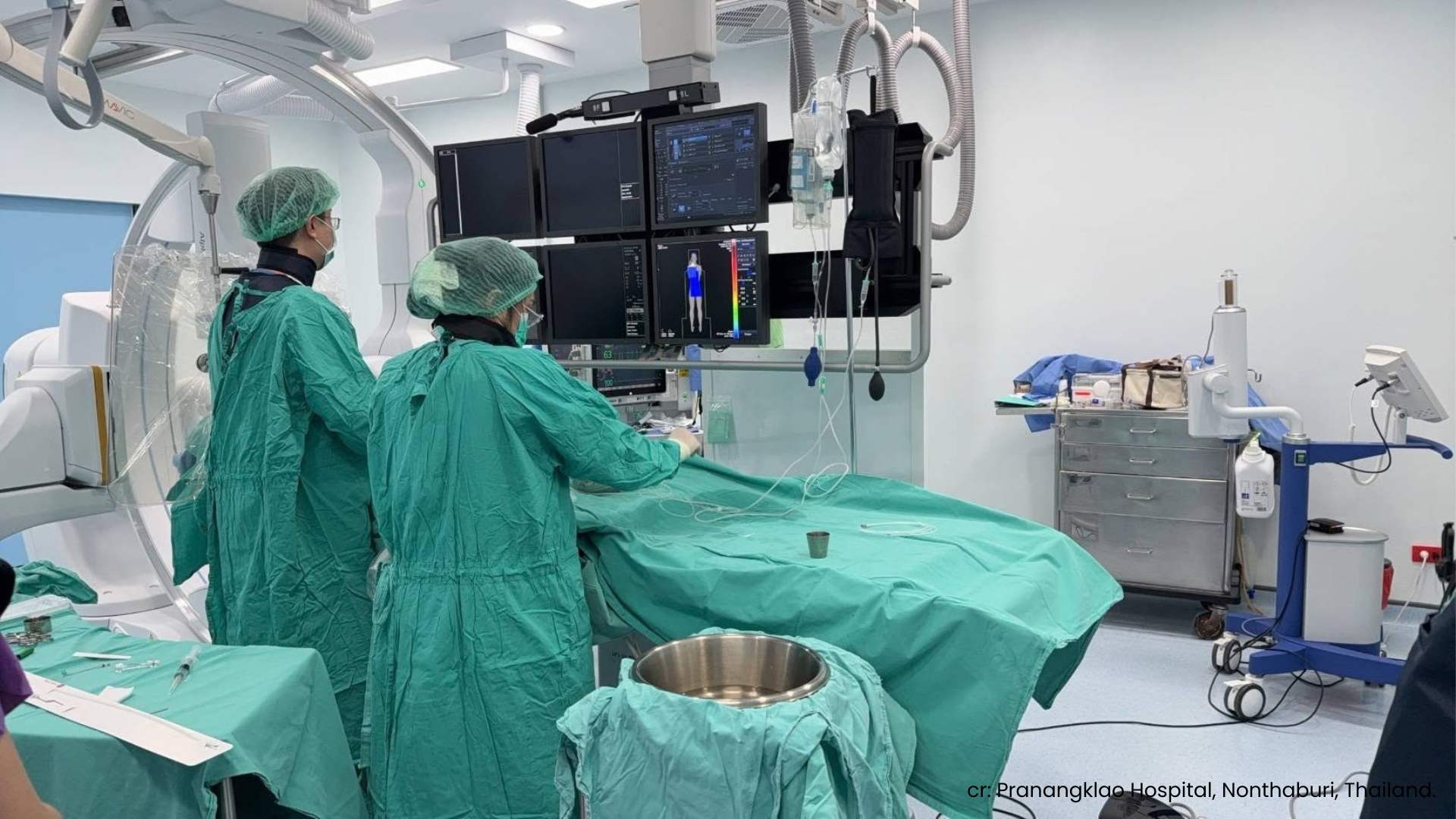
Strengthening Stroke Fast Track to Reduce Treatment Delays
The availability of Mechanical Thrombectomy at Pranangklao Hospital is expected to support the development of the regional Stroke Fast Track system, which is designed to accelerate the identification, assessment and treatment of patients experiencing acute stroke.
Stroke is a time-critical medical emergency. When blood flow to the brain is interrupted, brain cells can begin to suffer irreversible damage.
Rapid diagnosis and timely restoration of blood circulation can help preserve brain tissue and improve the chances of recovery.
Expanding access to Mechanical Thrombectomy within Nonthaburi may help reduce the need for some eligible patients to be transferred to more distant specialist centers, potentially shortening treatment delays.
The hospital's development of local endovascular stroke services therefore aims to improve access to time-sensitive treatment and strengthen the efficiency of emergency stroke management.
Clinical outcomes nevertheless depend on the severity of the stroke, treatment timing and individual patient characteristics.
Expanding Mechanical Thrombectomy Services Across Health Region 4
Dr. Sakon said Pranangklao Hospital is committed to further developing and expanding Mechanical Thrombectomy services to support patients throughout Thailand's Health Region 4.
The hospital will prioritize strengthening referral networks, improving coordination between healthcare facilities and promoting multidisciplinary collaboration to ensure continuity of care.
These efforts are intended to create a more integrated regional stroke treatment system, enabling patients to receive appropriate specialist intervention as quickly as possible.
According to the hospital director, the key objectives are to reduce referral delays, expand access to effective treatment and help lower stroke-related disability and mortality.
The expansion also reflects the importance of cooperation between hospitals in building regional healthcare capacity, particularly for complex and time-sensitive medical emergencies.
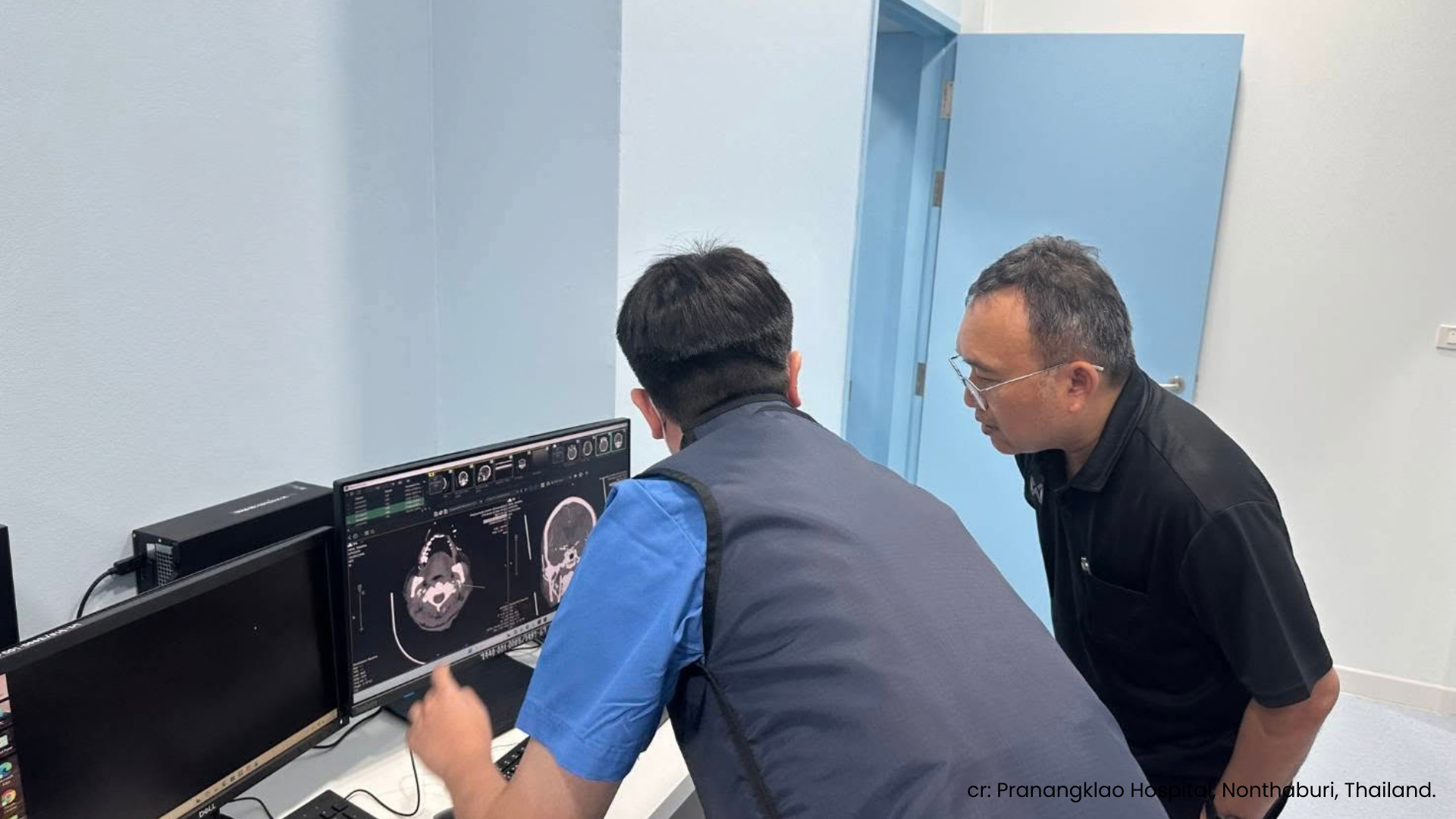
Developing Comprehensive Stroke Care From Emergency Treatment to Rehabilitation
Beyond introducing Mechanical Thrombectomy, Pranangklao Hospital plans to continue strengthening its comprehensive stroke care services.
The hospital's approach covers the full patient pathway, including early screening, diagnosis, emergency treatment, specialized intervention, referral coordination, follow-up care and rehabilitation.
Comprehensive stroke management is particularly important because some patients may require long-term rehabilitation following the acute phase of treatment.
Depending on the severity and location of the stroke, rehabilitation may involve restoring mobility, improving speech and communication, managing swallowing difficulties and helping patients regain independence in daily activities.
By strengthening collaboration with healthcare providers across the region, Pranangklao Hospital aims to improve both emergency treatment and continuity of care for stroke survivors.
A New Milestone for Stroke Care in Nonthaburi and Central Thailand
The successful completion of Pranangklao Hospital's first Mechanical Thrombectomy procedure on October 7, 2026, marks an important milestone in expanding advanced stroke treatment capabilities in Nonthaburi Province.
Through continued investment in specialist services, multidisciplinary cooperation and regional referral networks, the hospital aims to improve access to timely, evidence-based stroke treatment for patients across Health Region 4.
The initiative also demonstrates the importance of strengthening regional healthcare systems so that patients experiencing medical emergencies can receive appropriate treatment closer to their communities.
For stroke patients, every minute matters. Faster access to diagnosis and effective treatment can make a critical difference in survival, recovery and long-term quality of life.
Articles in this category are written by our editorial team to keep you informed about the latest healthcare and medical tourism news.
