
Thailand Strengthens Action on Commercial Determinants of Health to Prevent NCDs
Thailand is advancing public health policies to address the commercial determinants of health, strengthen disease prevention, and promote healthier living environments. At the National Conference on Commercial Determinants of Health 2026 in Bangkok, the World Health Organization (WHO), ThaiHealth, and national partners highlighted the importance of responsible business practices, effective health taxes, and sustainable investment in health promotion.
Thailand is advancing public health policies to address the commercial determinants of health, strengthen disease prevention, and promote healthier living environments. At the National Conference on Commercial Determinants of Health 2026 in Bangkok, the World Health Organization (WHO), ThaiHealth, and national partners highlighted the importance of responsible business practices, effective health taxes, and sustainable investment in health promotion.
Thailand is strengthening efforts to address the commercial factors that influence people's health, recognizing that health outcomes are shaped not only by individual lifestyle choices but also by the products, services, marketing practices, and environments people encounter every day.
The initiative comes as noncommunicable diseases (NCDs) remain a major public health challenge in Thailand.
According to WHO, NCDs including cardiovascular diseases, cancer, chronic respiratory diseases, and diabetes account for approximately 400,000 deaths annually, representing 74% of all deaths in Thailand.
The economic burden is also substantial, with NCD-related costs estimated at THB 1.6 trillion per year, equivalent to 9.7% of Thailand's gross domestic product in 2019.
Thailand Hosts National Conference on Commercial Determinants of Health 2026
The National Conference on Commercial Determinants of Health 2026 took place in Bangkok from October 5–7, 2026, under the theme:
“From Landscape to Action: Governing Commercial Determinants for Equitable Health in Thailand.”
Organized by the Thai Health Promotion Foundation (ThaiHealth) in collaboration with Thailand's Ministry of Public Health and partners, including WHO Thailand, the conference brought together policymakers, healthcare experts, academics, civil society organizations, media representatives, development partners, and private-sector stakeholders.
Discussions focused on how governance, public policy, and sustainable financing can help create healthier environments and reduce preventable diseases.
What Are the Commercial Determinants of Health?
The World Health Organization defines commercial determinants of health as private-sector activities that influence health outcomes, either positively or negatively.
Commercial activities can contribute to economic development, innovation, employment, and access to essential products and services.
However, certain business practices can also negatively affect public health through:
-
Marketing and promotion of products associated with health risks
-
Production and distribution of harmful products
-
Environmental pollution and damage
-
Unsafe working conditions
-
Inappropriate commercial influence on public health policies
WHO emphasizes that effective governance is essential to encourage responsible business practices while reducing activities that contribute to preventable health risks.
WHO Highlights the Importance of Health and Economic Development
In a keynote video message, WHO Director General Dr. Tedros Adhanom Ghebreyesus emphasized that economic growth and public health should be pursued together.
He stated:
“The challenge is not to choose between health and prosperity. It is to shape economies that serve people and planet.”
Dr. Tedros also acknowledged the contributions of the Thai government, ThaiHealth, and national partners in advancing policies that address the commercial determinants of health.
Meanwhile, Dr. Ailan Li, WHO Representative to Thailand, emphasized that healthcare systems must go beyond treating illness and address the wider conditions that influence population health.
She highlighted the value of investing in disease prevention, health promotion, and policies that support resilient and sustainable healthcare systems.
Strengthening Healthy Food Systems and Responsible Business Practices
WHO experts contributed to discussions on how governments and businesses can create healthier market environments.
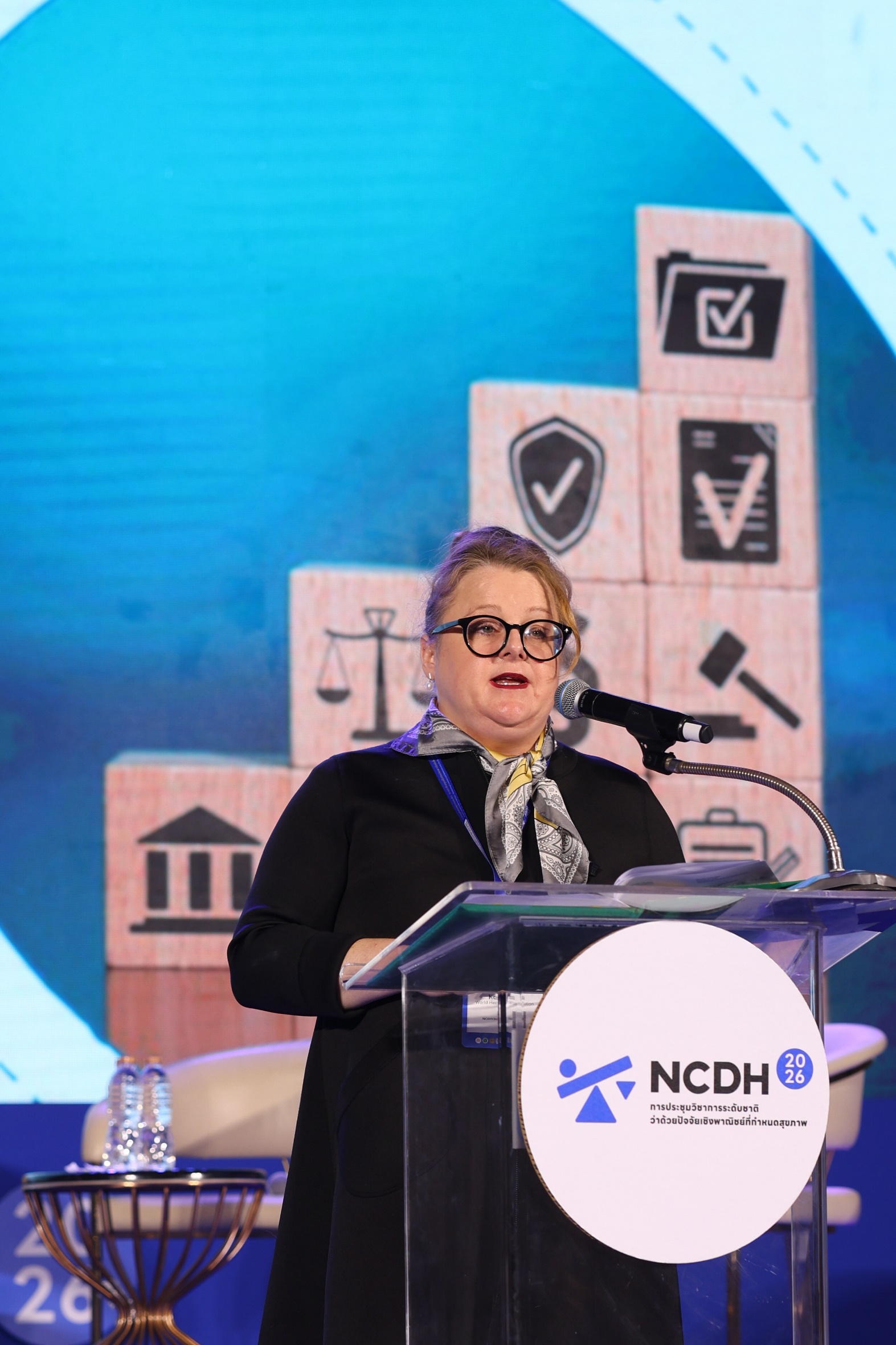
Dr. Monika Kosinska, Technical Lead for Social Determinants of Health Equity at WHO headquarters, emphasized the importance of deliberate policy design and governance in shaping markets that support public health.
Dr. Sushera Bunluesin of WHO Thailand highlighted the role of commercial practices, public policies, and food systems in influencing dietary habits.
Key areas discussed included school nutrition policies, healthy food procurement, and measures that make healthier food choices more accessible.
These approaches aim to address health risks at the population level rather than relying exclusively on individual behavior change.
ThaiHealth's Role in Sustainable Disease Prevention
Thailand has received international recognition for its long-term investment in health promotion and disease prevention.
Since its establishment in 2001, ThaiHealth has supported partnerships involving government agencies, academic institutions, communities, civil society organizations, and private-sector stakeholders.
These collaborations have contributed to policies and initiatives addressing major NCD risk factors while promoting healthier lifestyles and environments.
Thailand's experience has also informed international discussions about innovative financing mechanisms for public health programs.
Health Taxes as a Tool for Public Health and Sustainable Financing
WHO identifies well-designed taxes on tobacco, alcohol, and sugar-sweetened beverages as important policy instruments for reducing health risks.
When appropriately implemented, health taxes can help:
-
Reduce consumption of products associated with noncommunicable diseases
-
Encourage healthier consumer behavior
-
Generate government revenue
-
Support investment in public health and development
-
Strengthen the sustainability of health promotion programs
WHO research reviewing earmarked tobacco taxes across nine countries, including Thailand, found that dedicated tax revenues can provide a more predictable source of funding for tobacco control and health promotion.
However, WHO also recognizes that financing models must reflect each country's governance structures, economic conditions, and development priorities.
Regardless of the funding approach, sustained investment in prevention remains essential.
Thailand's Experience Contributes to Global Health Policy Discussions
The conference highlighted the importance of cooperation among government institutions, healthcare organizations, academic experts, communities, and responsible private-sector stakeholders.
Effective governance, transparency, and safeguards against conflicts of interest were identified as important considerations in addressing commercial influences on health.
The discussions are expected to contribute to future international initiatives, including the Prince Mahidol Award Conference 2027 and WHO's forthcoming Global Report on Commercial Determinants of Health.
WHO has reaffirmed its commitment to supporting Thailand through scientific evidence, technical cooperation, and international knowledge exchange.
Thailand's continued efforts to address commercial determinants of health demonstrate the importance of combining responsible governance, sustainable financing, and disease prevention to improve population health and advance health equity.
Articles in this category are written by our editorial team to keep you informed about the latest healthcare and medical tourism news.
