
Thailand Advances Precision Cancer Treatment with Targeted Radionuclide Therapy and Nuclear Medicine Innovation
Thailand is strengthening its capabilities in precision cancer treatment through advances in Targeted Radionuclide Therapy (TRT), nuclear medicine research and radiopharmaceutical development. With contributions from leading Thai hospitals, national research institutions and international partnerships, the country is expanding its expertise in medical technologies that deliver radiation directly to targeted cancer cells.
Thailand is strengthening its capabilities in precision cancer treatment through advances in Targeted Radionuclide Therapy (TRT), nuclear medicine research and radiopharmaceutical development. With contributions from leading Thai hospitals, national research institutions and international partnerships, the country is expanding its expertise in medical technologies that deliver radiation directly to targeted cancer cells.
On October 12, 2026, Thailand's Office of Atoms for Peace (OAP) published an academic article by Dr. Rungrueng Kitphati, Secretary-General of the OAP, highlighting developments in targeted radionuclide therapy and the importance of radiation safety.
The article outlined Thailand's progress in nuclear medicine, including research conducted by Ramathibodi Hospital and Siriraj Hospital, radiopharmaceutical production by the Thailand Institute of Nuclear Technology (TINT), and the establishment of a regional cancer care capacity-building center at Ramathibodi Hospital.
These developments highlight the growing role of Thai medical institutions in specialized cancer treatment, clinical research and international healthcare cooperation.
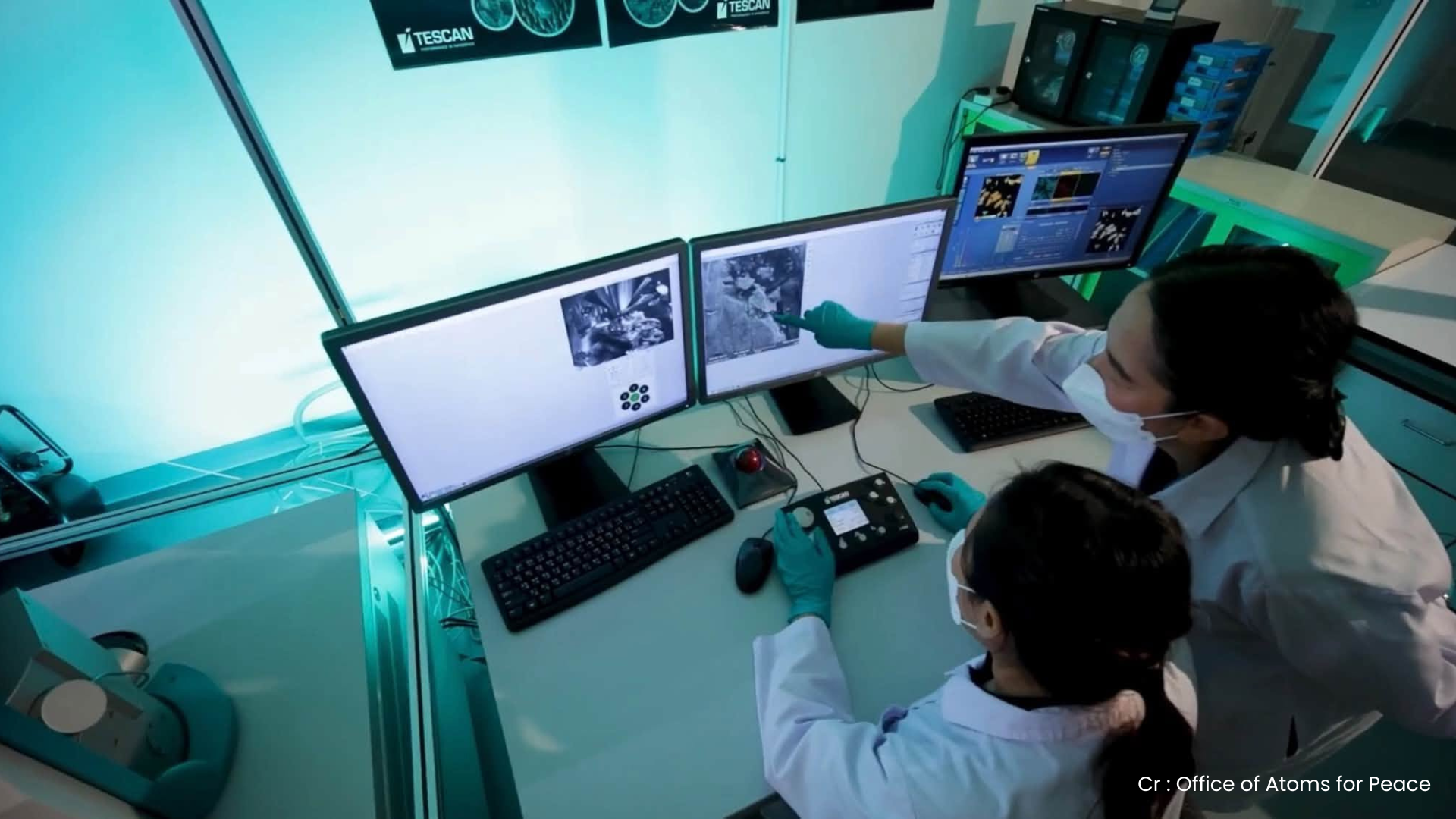
What Is Targeted Radionuclide Therapy?
Targeted Radionuclide Therapy is an advanced cancer treatment approach that uses radioactive substances combined with molecules designed to recognize specific biological targets.
Unlike conventional external beam radiation therapy, which directs radiation toward tumors from outside the body, targeted radionuclide therapy delivers radioactive substances internally.
Radiopharmaceuticals contain two essential components: a targeting molecule that binds to selected cells or tissues and a radioactive isotope that emits radiation.
Once administered, the radiopharmaceutical travels through the body and can accumulate in tissues expressing the relevant target. The radiation damages cellular DNA and may destroy cancer cells.
This approach is part of the broader development of precision medicine, which seeks to tailor treatment to the biological characteristics of individual diseases.
However, targeted delivery does not mean radiation affects cancer cells exclusively. Radioactive substances may also accumulate in healthy organs, making careful patient selection, radiation dose assessment and medical monitoring essential.
Advanced Radiopharmaceutical Treatments for Cancer
Several radiopharmaceutical therapies are already used internationally for specific cancer indications.
Iodine-131 for Thyroid Cancer
Iodine-131 is an established treatment for certain thyroid cancers that retain the ability to absorb iodine.
Its effectiveness depends on the biological characteristics of the cancer, and not all thyroid cancers respond to this treatment.
Lutetium-177 DOTATATE for Neuroendocrine Tumors
Lutetium-177 DOTATATE targets specific receptors found on certain neuroendocrine tumor cells.
The treatment uses these receptors to deliver radiation to tumors expressing the relevant biological target.
Lutetium-177 PSMA for Prostate Cancer
Lutetium-177 PSMA targets Prostate-Specific Membrane Antigen (PSMA), a protein expressed by many prostate cancer cells.
Before treatment, physicians use appropriate medical imaging and clinical assessments to determine whether the therapy is suitable for an individual patient.
Other Radiopharmaceutical Treatments
Additional treatments include Radium-223 for selected patients with prostate cancer that has spread to the bones and Iodine-131 iobenguane for certain tumors under approved indications.
Researchers are also investigating emerging radiopharmaceuticals, including Actinium-225, which emits alpha radiation capable of producing substantial cellular damage over a short distance.
Some of these newer technologies remain under clinical investigation and should not be confused with approved standard treatments.
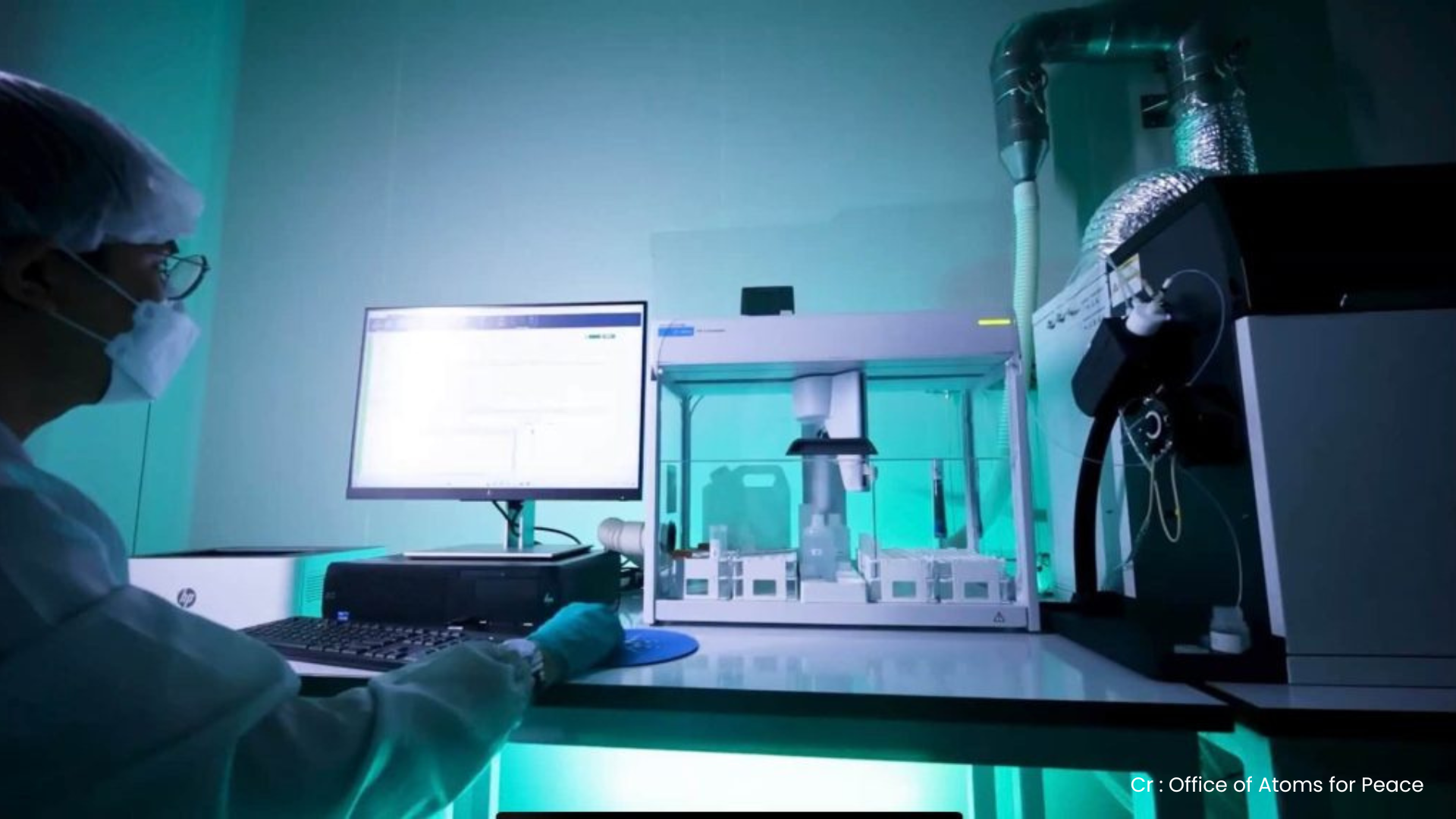
Ramathibodi and Siriraj Hospitals Contribute to Thai Nuclear Medicine Research
Thailand has accumulated experience in medical applications of radioactive substances, particularly through established treatments such as Iodine-131.
More recently, Thai university hospitals have contributed to research involving advanced radiopharmaceutical treatments.
A study published online in May 2025, and appearing in the 2026 volume of the Asia-Pacific Journal of Clinical Oncology, examined radiation doses received by normal organs following Lutetium-177 PSMA therapy in patients with metastatic castration-resistant prostate cancer.
The research involved two university-based hospitals in Thailand: Ramathibodi Hospital and Siriraj Hospital.
The study focused on post-treatment dosimetry, an important component of assessing radiation exposure and treatment safety.
This work demonstrates the involvement of Thai nuclear medicine specialists and medical physicists in evaluating advanced cancer treatment technologies.
It also reflects the importance of clinical research in supporting the safe and appropriate use of radiopharmaceutical therapies.
Thailand Institute of Nuclear Technology Supports Approximately 40 Hospitals
Beyond clinical research, Thailand is developing domestic capabilities in the production and distribution of radiopharmaceuticals.
The Thailand Institute of Nuclear Technology (Public Organization), or TINT, plays a significant role in supporting nuclear medicine services.
According to the Office of Atoms for Peace, TINT distributes radiopharmaceutical products to approximately 40 hospitals across Thailand.
These products support nuclear medicine applications in diagnosis and treatment.
One example is Samarium-153 EDTMP, a radiopharmaceutical used to relieve pain associated with cancer that has spread to the bones.
Samarium-153 can be produced using research reactor technology and developed into a radiopharmaceutical for medical use.
The institute has also presented an innovation known as OhSeleNoCancer, which combines radiation technology and nanotechnology in research into new approaches for delivering anticancer drugs.
The project has received international recognition as an innovation, although research-stage technologies should be distinguished from treatments approved for routine clinical use.
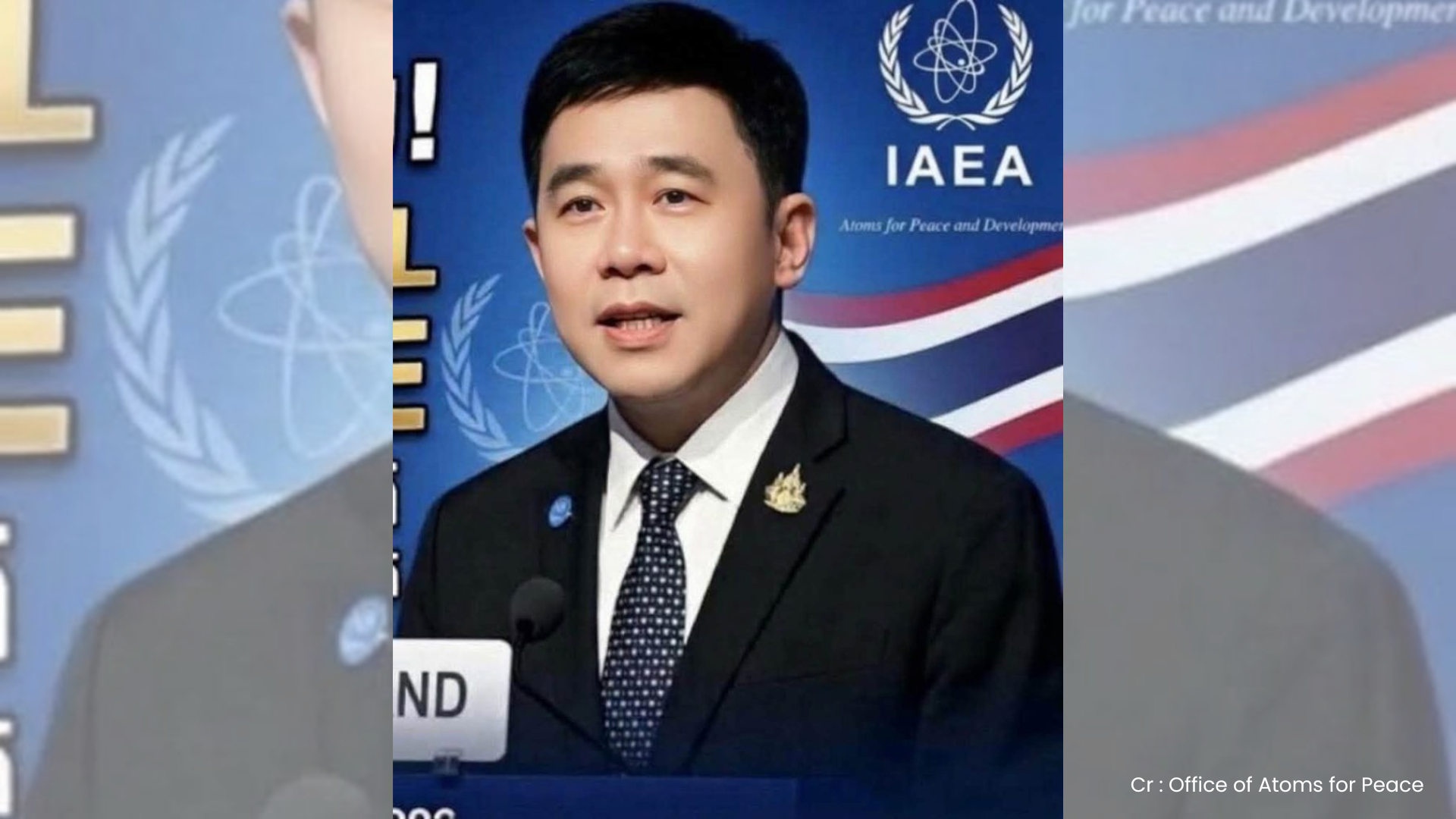
Thailand Hosts Southeast Asia's First Rays of Hope Anchor Centre
Thailand's role in regional cancer care development was also highlighted during the 70th International Atomic Energy Agency (IAEA) General Conference in Vienna in September 2026.
Dr. Rungrueng Kitphati delivered Thailand's national statement, emphasizing the peaceful application of nuclear science and technology alongside nuclear safety, security and non-proliferation.
One significant development is the establishment of the first Rays of Hope Anchor Centre in Southeast Asia at Ramathibodi Hospital, Mahidol University, as reported by the OAP.
The center supports regional capacity building in cancer care and radiation medicine, including professional development, knowledge exchange and quality improvement.
Its establishment strengthens Thailand's role in international cooperation aimed at improving access to cancer-related medical expertise.
The initiative also highlights the contributions of Thai university hospitals to healthcare development beyond the country's borders.
Radiation Safety Remains Essential to Advanced Cancer Treatment
Although targeted radionuclide therapy offers additional treatment possibilities for certain cancers, the use of radioactive substances requires strict safety measures.
These measures cover the procurement, transportation, storage, preparation and administration of radiopharmaceuticals, as well as follow-up after treatment.
Potential side effects vary depending on the substance used and may include fatigue, nausea, changes in blood cell counts and effects on kidney function or other organs.
Patients receiving certain radiopharmaceuticals may also need to follow temporary radiation safety precautions after treatment.
These precautions can include guidance on close contact with children and pregnant women, hygiene practices and the management of bodily waste.
The requirements depend on the radiopharmaceutical, administered activity and individual circumstances.
Office of Atoms for Peace Oversees Radiation Safety in Thailand
The Office of Atoms for Peace serves as a key regulatory authority for nuclear and radiation safety in Thailand under the Nuclear Energy for Peace Act B.E. 2559 (2016), as amended.
Its responsibilities include regulatory oversight related to radioactive materials, radiation protection, transportation, radioactive waste management and preparedness for radiation-related incidents.
The OAP's role is distinct from that of authorities responsible for pharmaceutical registration and medical treatment standards.
The approval of medicines, treatment indications and healthcare services falls under the responsibilities of the relevant regulatory and health authorities.
Coordination among the OAP, the Thai Food and Drug Administration, hospitals and other public health organizations is therefore important for the safe introduction of advanced medical technologies.
What These Developments Mean for Thailand's Healthcare Sector
Thailand's progress in nuclear medicine illustrates the importance of cooperation among hospitals, universities, research institutions and regulatory authorities.
The involvement of Ramathibodi Hospital and Siriraj Hospital in radiopharmaceutical research, TINT's support for hospitals nationwide and the establishment of a regional IAEA-linked cancer care center demonstrate different aspects of the country's developing capabilities.
For international patients researching specialized medical services in Thailand, these developments provide useful context about the country's medical research and healthcare infrastructure.
However, the availability of a particular radiopharmaceutical treatment must be confirmed directly with the relevant hospital.
A therapy reported in a Thai clinical study may not be available at every institution, and its regulatory status, clinical indications, cost and patient eligibility may vary.
Patients should consult qualified oncologists or nuclear medicine physicians before considering these treatments.
Thailand's Future in Precision Cancer Medicine
Targeted radionuclide therapy represents an important area of development in modern cancer care.
By combining molecular targeting with radiation therapy, this approach may provide additional options for selected patients whose cancers express suitable biological targets.
Thailand's continued progress will depend on clinical evidence, specialist training, radiopharmaceutical availability, radiation safety and cooperation between healthcare and research institutions.
With contributions from leading university hospitals, national nuclear technology institutions and international partnerships, Thailand is building capabilities that may support more advanced, evidence-based cancer care for patients in the years ahead.
The Office of Atoms for Peace emphasizes that innovation must advance alongside appropriate regulation and radiation protection to ensure that new technologies are introduced responsibly.
Sources and References
-
Office of Atoms for Peace. Academic article by Dr. Rungrueng Kitphati, published October 12, 2026. OAP
-
International Atomic Energy Agency. IAEA
-
National Cancer Institute. Radiopharmaceutical Therapy Interest Group
-
Pattanawong O, Charoenphun P, Chamroonrat W, et al. Post-Therapeutic Dosimetry of Metastatic Castration-Resistant Prostate Cancer With 177Lu-PSMA: Experiences From Two University-Based Hospitals in Thailand. Asia-Pacific Journal of Clinical Oncology. 2026;22(2):199–206. PubMed
-
Office of Atoms for Peace. Nuclear Energy for Peace Act and Related Regulations
Articles in this category are written by our editorial team to keep you informed about the latest healthcare and medical tourism news.
