Gum Contouring (Gummy Smile): What to Know Before You Do It & Where to Get the Best Results

Many people feel self-conscious about their smiles because of “excessive gums” or a “gummy smile.”
Although this condition doesn’t directly affect oral health, it can significantly impact one’s confidence and overall appearance.
That’s why gum contouring has become a popular treatment - helping to balance the proportion between gums and teeth, creating a more natural, harmonious, and beautiful smile.
Before deciding to undergo gum contouring (Gummy Smile Treatment), it’s important to understand the basics - including what causes a gummy smile, available treatment options, expected results, costs, and aftercare.
Having this knowledge helps ensure your new smile is not only beautiful but also safe and long-lasting.
In this article, Denta-joy will guide you through everything you need to know about gum contouring - from its causes and treatment methods to key things to consider before getting the procedure - so you can feel confident that your new smile will look natural and truly yours.
Why Do Gums Affect Your Smile?
A beautiful smile isn’t only about straight teeth or well-shaped lips - your gums also play a key role.
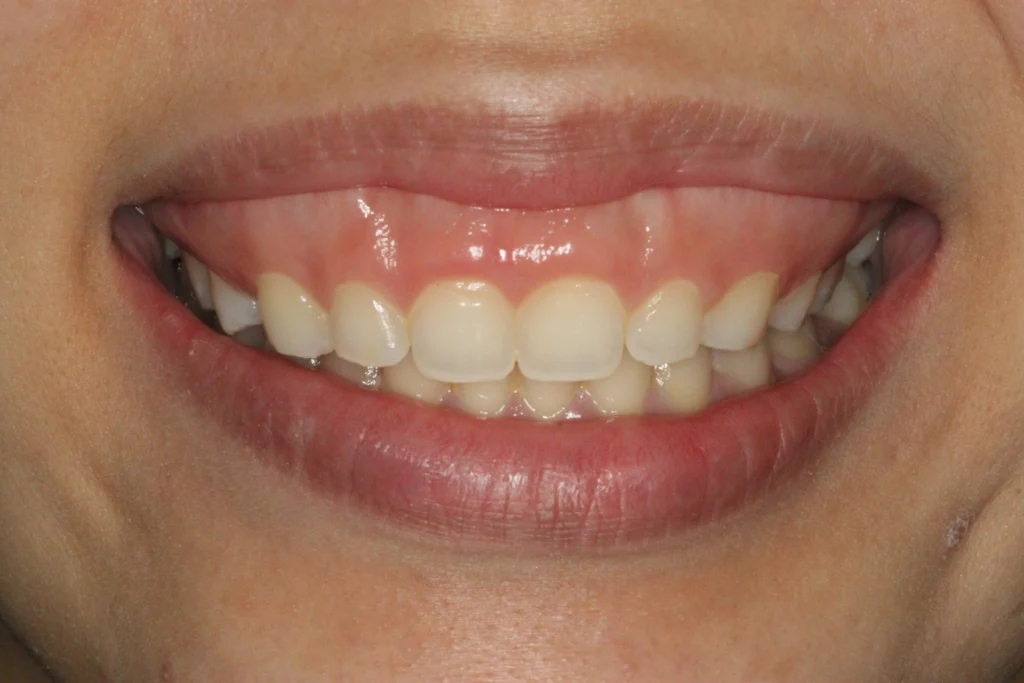
When the gums cover too much of the teeth, it can make the teeth look short and the smile appear unbalanced. Many people feel self-conscious about this and are often told they have a “gummy smile.”
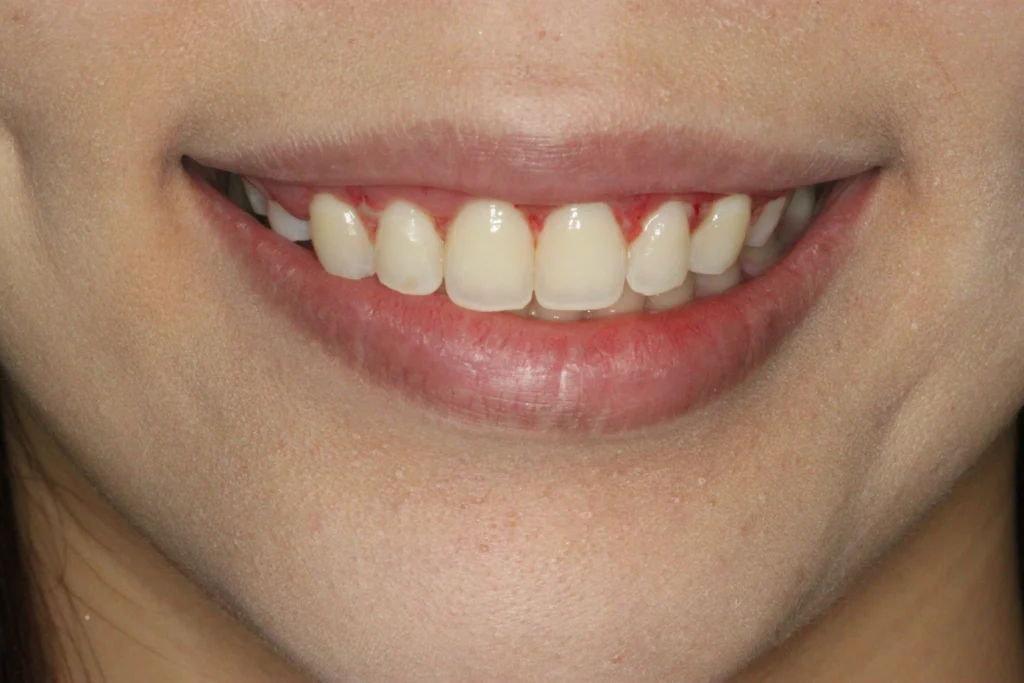
This issue can be corrected with gum contouring, a procedure that reshapes the gums for a more balanced, natural-looking smile. Once the proportions are right, your confidence comes back effortlessly.
What Is Gum Contouring (Gummy Smile Treatment)?
Gum contouring, also known as gingivectomy or gum reshaping, is a dental procedure that adjusts the gum line to better fit the teeth and facial structure.
It’s ideal for those who show too much gum when smiling or whose teeth appear short because the gums cover them excessively.
This treatment can be performed for both aesthetic reasons - to improve the smile’s appearance - and health purposes, such as when thick gum tissue makes it hard to clean properly.
Who Should Consider Gum Contouring?
You may be a good candidate if you:
- Smile and see too much gum, making you feel less confident
- Have teeth that look short because the gums cover them
- Have uneven or bulky gums that make your smile appear unbalanced
- Want to enhance your smile before other cosmetic treatments like veneers or orthodontics
What to Know Before Getting Gum Contouring
1.Comprehensive assessment is crucial — Your dentist will evaluate your teeth, gums, and facial proportions to design a well-balanced smile.
2.It’s a minor procedure — Gum contouring is usually done under local anesthesia; hospitalization isn’t required.
3.Results depend on skill and design — Poorly designed gum lines can make smiles look unnatural or rigid.
4.Post-care affects healing — Avoid spicy or hot foods and brush gently around the treated area.
What Causes a Gummy Smile?
Several factors can make your gums appear more prominent when smiling:
- Disproportionate tooth–gum ratio → Normal-sized teeth appear short because too much gum covers them.
- Jawbone structure → A protruding or vertically excessive upper jaw can cause the gums to show more.
- Hyperactive upper lip → The upper lip lifts higher than usual when smiling.
- Thick gum tissue → Overgrown gum tissue can hide the teeth and disrupt smile balance.
Does Gum Contouring Hurt?
This is one of the most common questions! The answer: No, it doesn’t hurt.
Local anesthesia is used throughout the procedure. You might feel mild soreness or irritation afterward, but it typically subsides within 2–3 days.
Complete healing usually takes 1–2 weeks.
What Affects the Cost of Gum Contouring?
The price of gum contouring varies depending on several factors:
- Number of teeth involved
- Technique used (laser or surgical method)
- Case complexity (e.g., whether bone contouring is required)
- Experience and expertise of the dentist
At Denta-joy, gum contouring is performed by specialized dentists, starting at THB 29,500 per treatment. View price details here.
Why Choose Denta-joy for Gum Contouring?
- Team of specialized dentists experienced in aesthetic and surgical gum correction
- Advanced laser techniques for minimal pain, swelling, and faster healing
- Personalized Smile Design for a natural, well-balanced result
- Over 40 years of experience in creating confident smiles for patients of all ages
- International standards in safety and quality of care
Before and After Gum Contouring at Denta-joy
Aftercare Tips for Gum Contouring
- Eat soft foods like soup or porridge
- Avoid spicy, hot, or hard foods
- Rinse with saline or a mild antiseptic mouthwash
- Brush gently and avoid the treated area during the first few days
- Follow up with your dentist as scheduled
How Long Do Gum Contouring Results Last?
Results from gum contouring are generally long-lasting - when performed by an experienced dentist, the gums rarely grow back to cover the teeth.
However, in some cases where jaw structure contributes to the gummy smile, additional procedures may be recommended.
Final Thoughts
If you’re struggling with a gummy smile that affects your confidence, gum contouring can help you achieve a more harmonious, natural-looking smile.
Reference :
Escritor Independente
Compartilhar este artigo
Mais Artigos
Descubra mais insights sobre saúde e turismo médico.

Cárie dentária atingindo a polpa: perigos, sintomas e opções de tratamento
Quão Perigosa é a Cárie Dentária que Alcança a Polpa? A cárie dentária é uma condição em que minerais são perdidos da superfície do esmalte até que uma cavidade se forme. O desenvolvimento da cárie dentária é influenciado por quatro fatores principais: placa dental ou resíduos alimentares que não são removidos adequadamente, uma dieta rica em açúcar e amido, a resistência natural do dente e o tempo. Quando a cárie dentária se estende profundamente até a câmara pulpar, os pacientes frequentemente apresentam dor de dente intensa, o que dificulta comer, falar ou realizar as atividades normais do dia a dia.

Quanto Tempo Leva o Tratamento da Disfunção Erétil? Entendendo Cronogramas Realistas de Recuperação
Quanto tempo leva o tratamento da DE? Os cronogramas de recuperação dependem da causa subjacente, da gravidade e do desenho do programa. Entenda a estrutura típica de 2 a 3 meses utilizada na PYONG MEN e a biologia por trás disso. Uma das perguntas mais comuns que os homens fazem antes de iniciar o tratamento é direta: quanto tempo leva o tratamento da DE? A resposta honesta é que os cronogramas de recuperação dependem da causa subjacente, da gravidade da condição e do tipo de programa selecionado. Este artigo explica a estrutura típica de 2 a 3 meses utilizada na PYONG MEN, por que a recuperação biológica estruturada requer continuidade em vez de uma única sessão e quais fatores individuais mais influenciam o tempo necessário.

Congelamento na Marcha na Doença de Parkinson: Como a Neuro reabilitação Apoia uma Caminhada Mais Segura
A congelamento da marcha é um dos sintomas de mobilidade mais disruptivos associados à doença de Parkinson. A pessoa pode ter a intenção de dar um passo à frente, mas subitamente sentir como se os pés estivessem colados ao chão. O episódio pode durar apenas alguns segundos, mas pode interromper as rotinas diárias, aumentar o risco de quedas e fazer com que a pessoa tenha medo de andar de forma independente. A revisão da medicação é importante, mas muitos pacientes também se beneficiam da neuroreabilitação, que aborda a marcha, o equilíbrio, a força, as mudanças de direção, os fatores desencadeantes ambientais e estratégias práticas para superar um episódio com segurança.