Department of Medical Services Recommends Elderly Care Amid PM 2.5 Air Pollution During Winter
During the winter season, the weather tends to be still with light winds and lower temperatures, often coinciding with agricultural burning and forest fires. These conditions trap air pollutants, including PM 2.5, in the atmosphere, leading to higher-than-normal levels of this fine particulate matter. Prolonged exposure can pose significant health risks. PM 2.5 concentrations usually decrease only when weather conditions change, such as during atmospheric clearance or high-pressure systems. Thus, monitoring and prevention of PM 2.5 pollution during winter are crucial to protect our loved ones.
During the winter season, the weather tends to be still with light winds and lower temperatures, often coinciding with agricultural burning and forest fires. These conditions trap air pollutants, including PM 2.5, in the atmosphere, leading to higher-than-normal levels of this fine particulate matter. Prolonged exposure can pose significant health risks. PM 2.5 concentrations usually decrease only when weather conditions change, such as during atmospheric clearance or high-pressure systems. Thus, monitoring and prevention of PM 2.5 pollution during winter are crucial to protect our loved ones.
Health Risks of PM 2.5 and Special Attention for the Elderly
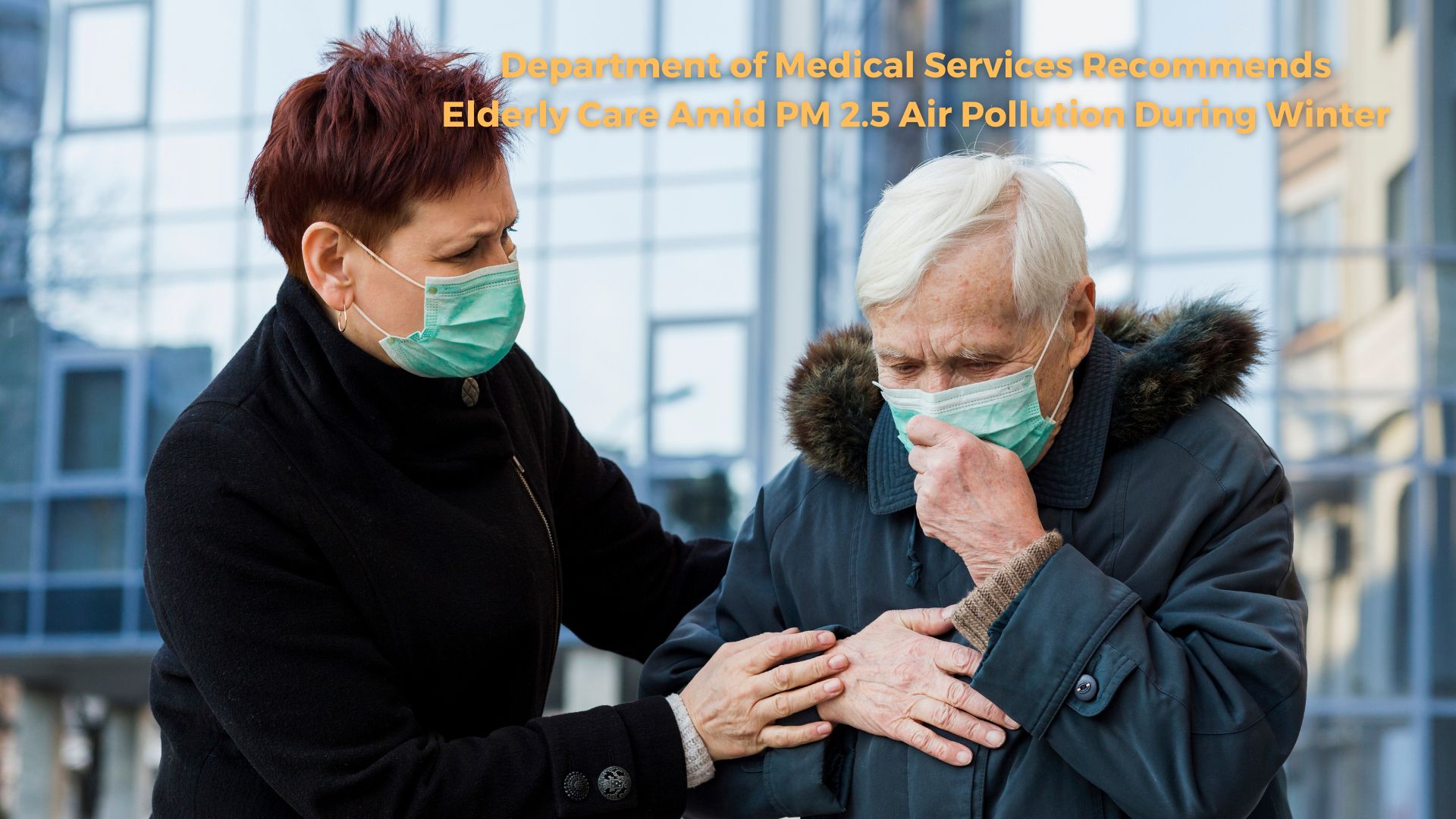
Dr. Thanin Vetchaphinan, Deputy Director-General of the Department of Medical Services, emphasized that PM 2.5 is a fine particulate matter harmful to people of all ages, particularly vulnerable groups such as the elderly and those with pre-existing health conditions. This population is at increased risk of both acute and chronic health complications. Elderly individuals may face mobility challenges, making caregivers vital in ensuring their safety from PM 2.5 exposure. The Department offers the following recommendations:
1.Monitor PM 2.5 levels through reliable sources.
2.Alert caregivers about health impacts related to PM 2.5 exposure.
3.Observe symptoms associated with PM 2.5 in the elderly and inform their relatives about health concerns.
4.Maintain a dust-free environment and educate the elderly on protective measures.
Indoor Adaptation for the Elderly
Dr. Bussakorn Loharjun, Director of the Somdet Phra Sangharaj Yan Sangwon Geriatric Medical Institute, added that PM 2.5 can have severe impacts on the elderly, including eye irritation, respiratory conditions, skin inflammation, accelerated skin aging, stroke, cardiovascular diseases, and dementia. To minimize risks, the Department provides the following home adaptation tips:
1.Seal doors and windows to prevent dust from entering the house.
2.Clean daily using damp cloths instead of brooms or dusters.
3.Avoid activities that produce indoor dust, such as burning incense, candles, or using chemicals indoors.
4.Use fans or air conditioners to improve indoor air circulation but avoid exhaust fans that could draw outdoor air and dust inside.
5.Choose air purifiers wisely, ensuring they are placed in appropriate locations—away from air conditioners, fans, or humid areas like bathrooms to prevent issues like mold.
Protective Measures During High PM 2.5 Levels
When PM 2.5 levels exceed safe limits:
- Advise the elderly to stay indoors or wear masks if outdoor activity is unavoidable.
- Prepare necessary medical supplies, such as prescription medication and first-aid essentials.
- Monitor for unusual symptoms such as chest tightness, difficulty breathing, dizziness, or fainting. If these occur, seek immediate medical attention.
State-of-the-Art Support at Phyathai Nawamin Hospital
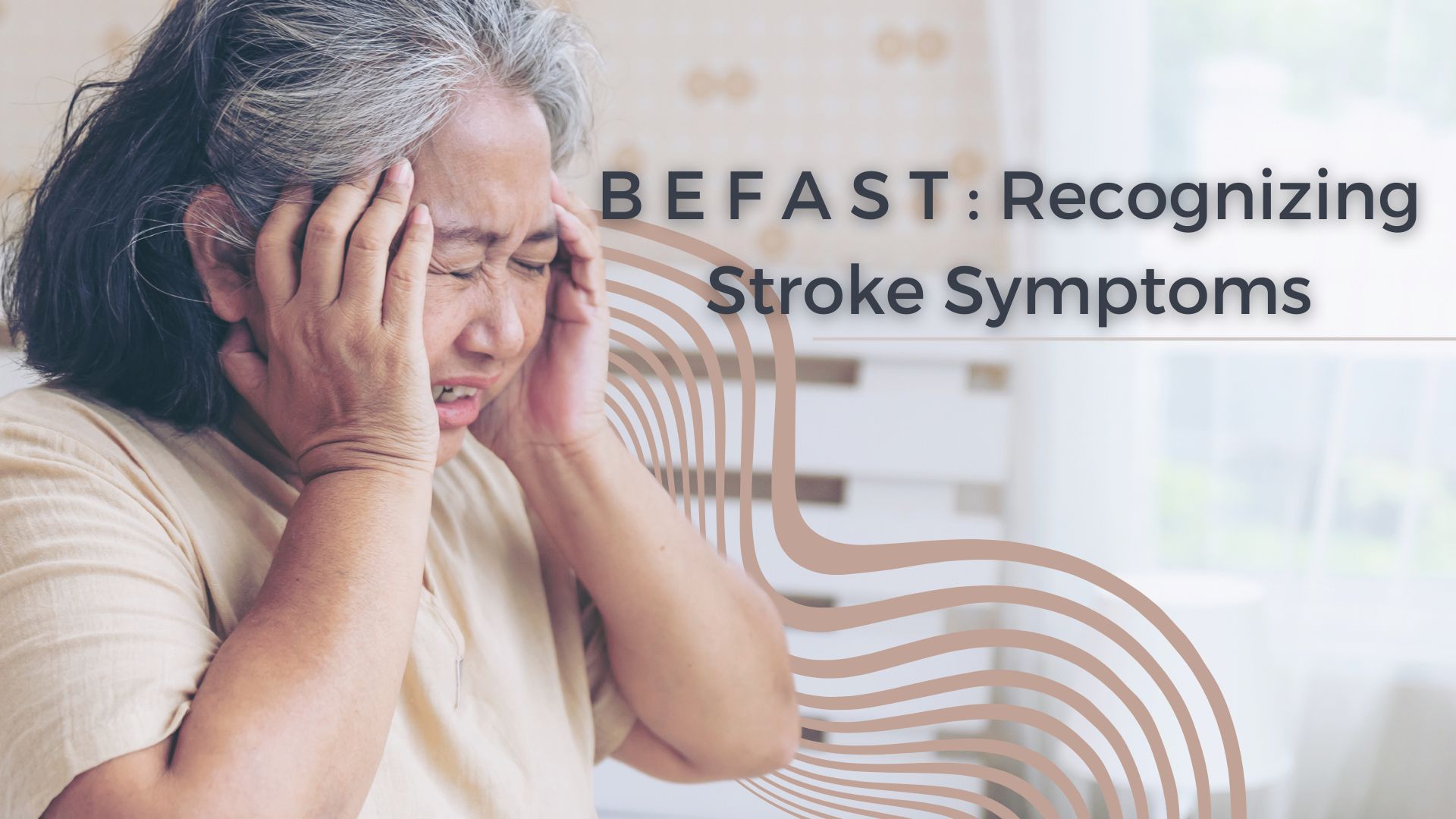
For those affected, Phyathai Nawamin Hospital provides comprehensive care for respiratory and PM 2.5-related conditions. The facility is equipped with advanced medical technology like the Bi-Plane DSA, which offers high-resolution, three-dimensional imaging of blood vessels. This technology aids in diagnosing and treating issues such as vascular blockages or ruptures, enhancing treatment efficacy. If you or your loved ones experience symptoms aligned with the BEFAST stroke warning signs or PM 2.5-related health issues, visit Phyathai Nawamin Hospital or call 1772 for consultation and immediate assistance.
For more details:
此类别中的文章由我们的编辑团队撰写,旨在让您了解最新的医疗保健和医疗旅游新闻。