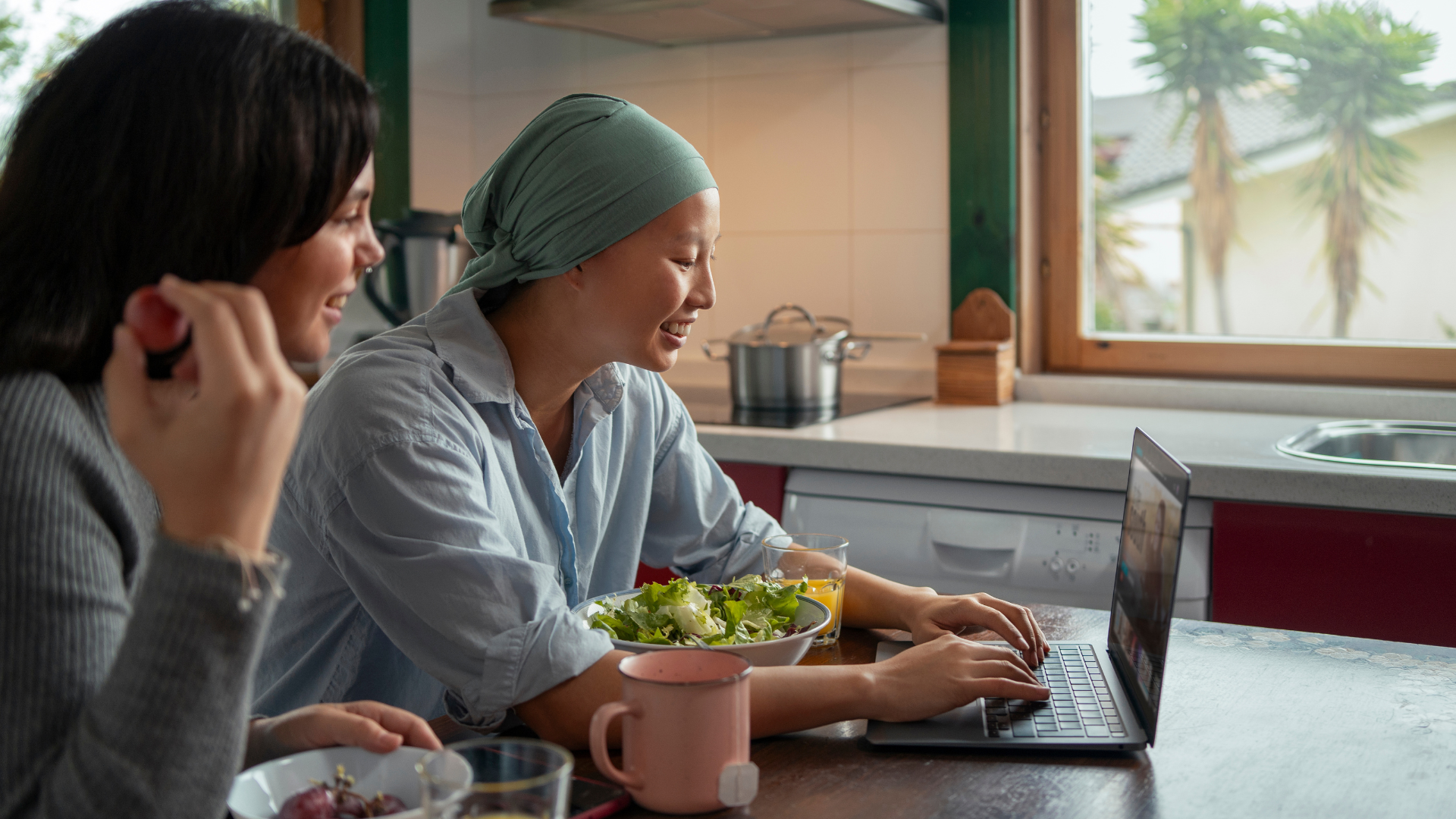
Nutrition Plan During Chemotherapy
It's essential to carefully manage nutrition during chemotherapy because the body is more vulnerable to infections and has weakened defenses. hemotherapy can cause many side effects that affect your enjoyment of food.
Nutrition Plan During Chemotherapy
It's essential to carefully manage nutrition during chemotherapy because the body is more vulnerable to infections and has weakened defenses. Chemotherapy can cause many side effects that affect your enjoyment of food. Choosing the right foods can help strengthen the immune system and reduce the side effects of the treatment.
Side Effects of Chemotherapy
- Nausea and vomiting: These are the most common side effects, often occurring within 24 hours after chemotherapy and potentially lasting 3-7 days.
- Loss of appetite: Chemotherapy drugs can alter the sense of taste and decrease appetite.
- Mouth sores and sore throat: These can make eating difficult and painful.
- Diarrhea or constipation: Changes in the digestive system can affect digestion and nutrient absorption.
- Fatigue: This can leave patients exhausted and lacking the energy to eat.
Foods to Eat During Chemotherapy
- Freshly cooked meals: These help reduce the risk of gastrointestinal infections.
- High-energy foods: Incorporate eggs or milk into meals, such as steamed eggs with milk, creamy soups with eggs, and stir-fried vegetables with eggs. Add healthy oils like rice bran or olive oil to meat porridge or thick soups. Spread jam or butter on crackers, biscuits, or bread.
- High-protein foods: Items like fish, milk, and hard-boiled eggs for protein sources are essential for rebuilding cells damaged by chemotherapy.
- Fruits and vegetables: Eat assortments of fresh fruits and vegetables for essential vitamins and minerals that boost the immune system.
- Drink plenty of water: This helps reduce nausea, prevents dehydration, and aids the kidneys in flushing out chemotherapy drugs from the body.
- Avoid strong-smelling foods: Strong odors can trigger nausea.
- Choose easily digestible foods: Opt for moist or creamy textured foods like clear soups, creamy soups, porridge, or water-rich fruits.
Foods to Avoid During Chemotherapy
- Leftover food: Eating leftover food carries a risk of foodborne illness.
- Fermented, pickled, raw, or undercooked foods: These foods have a higher risk of containing bacteria that can cause diarrhea.
- Processed meats: Consumption of processed meats should be limited.
- Alcohol and intoxicants: These can stimulate cancer cell activity and reduce the effectiveness of treatment. Alcohol consumption should be limited to one drink per day for women and two for men (one drink is equivalent to 330 ml of beer, 150 ml of wine, or 45 ml of whiskey).
Health Tips
- Maintain weight: Maintaining a healthy weight is crucial.
- Consume enough food: Choose high-energy and high-protein foods or divide meals into 5-6 smaller portions to ensure adequate nutrient intake. Medical nutrition supplements may be necessary if needed.
- Avoid polluted environments: Avoid places filled with vehicle exhaust or cigarette smoke.
A note from MedPark's doctors
Side effects of chemotherapy, such as dry mouth, changes in taste, fatigue, mouth sores, and nausea, can make eating difficult. Understanding which foods to eat can make this easier, such as bland foods if you have mouth sores and moist and creamy-textured foods if you have a dry mouth after chemotherapy. Nourishing your body with healthy foods and being cautious about hygiene can reduce the risk of food poisoning. If you have difficulty chewing or swallowing, inform your doctor immediately for appropriate advice.
Source: MedPark Hospital
此类别中的文章由我们的编辑团队撰写,旨在让您了解最新的医疗保健和医疗旅游新闻。
更多新闻

Dr. Tonghathai participated in a knowledge-sharing session on facial lifting innovations at the Grand Opening of New Doublo 2.0 BEYOND To the SYNERGY.
October 22, 2024
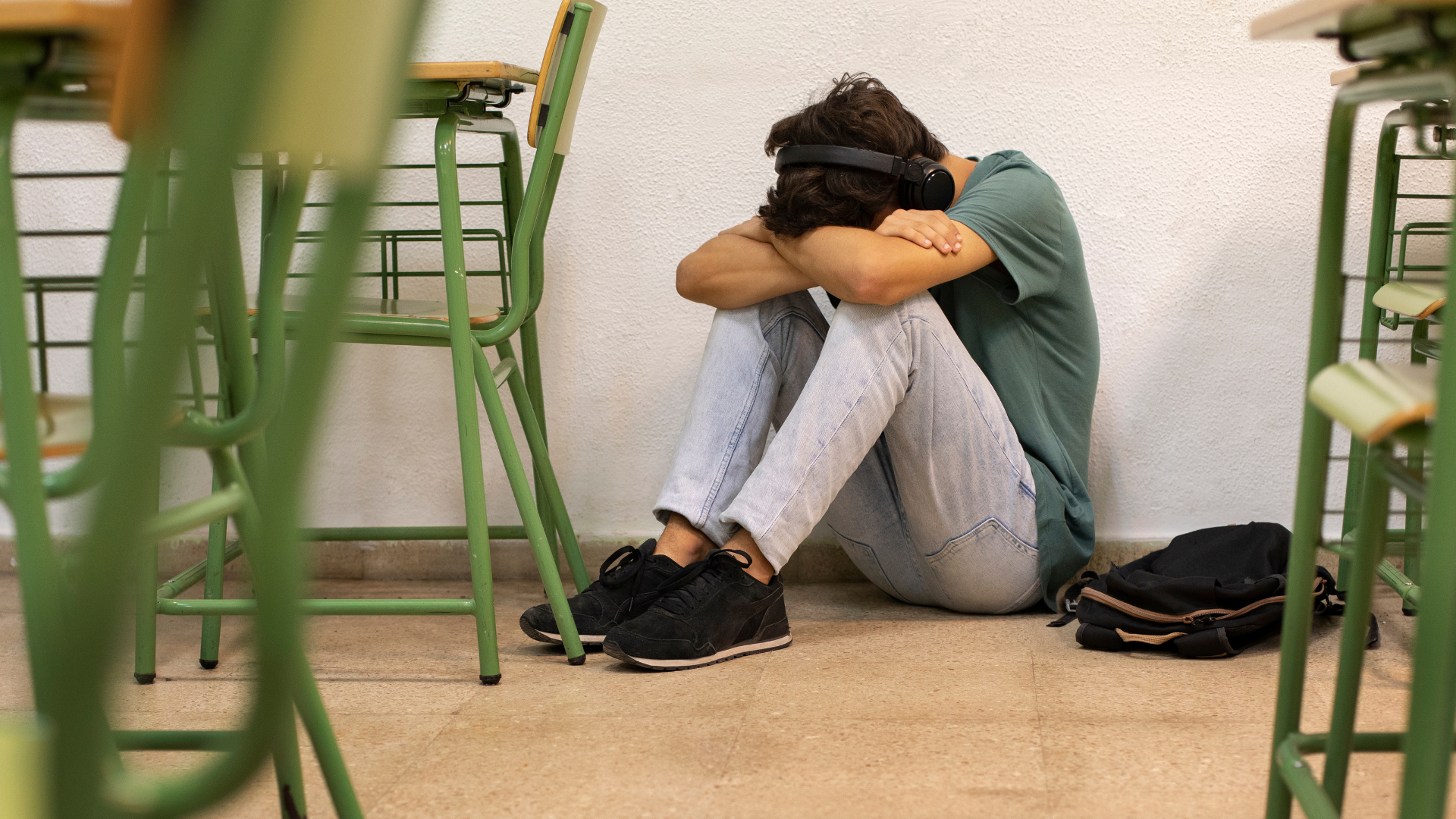
Department of Mental Health Provides On-site Support for School Assault Incident, Recommends Monitoring Children to Reduce Violence
October 24, 2024