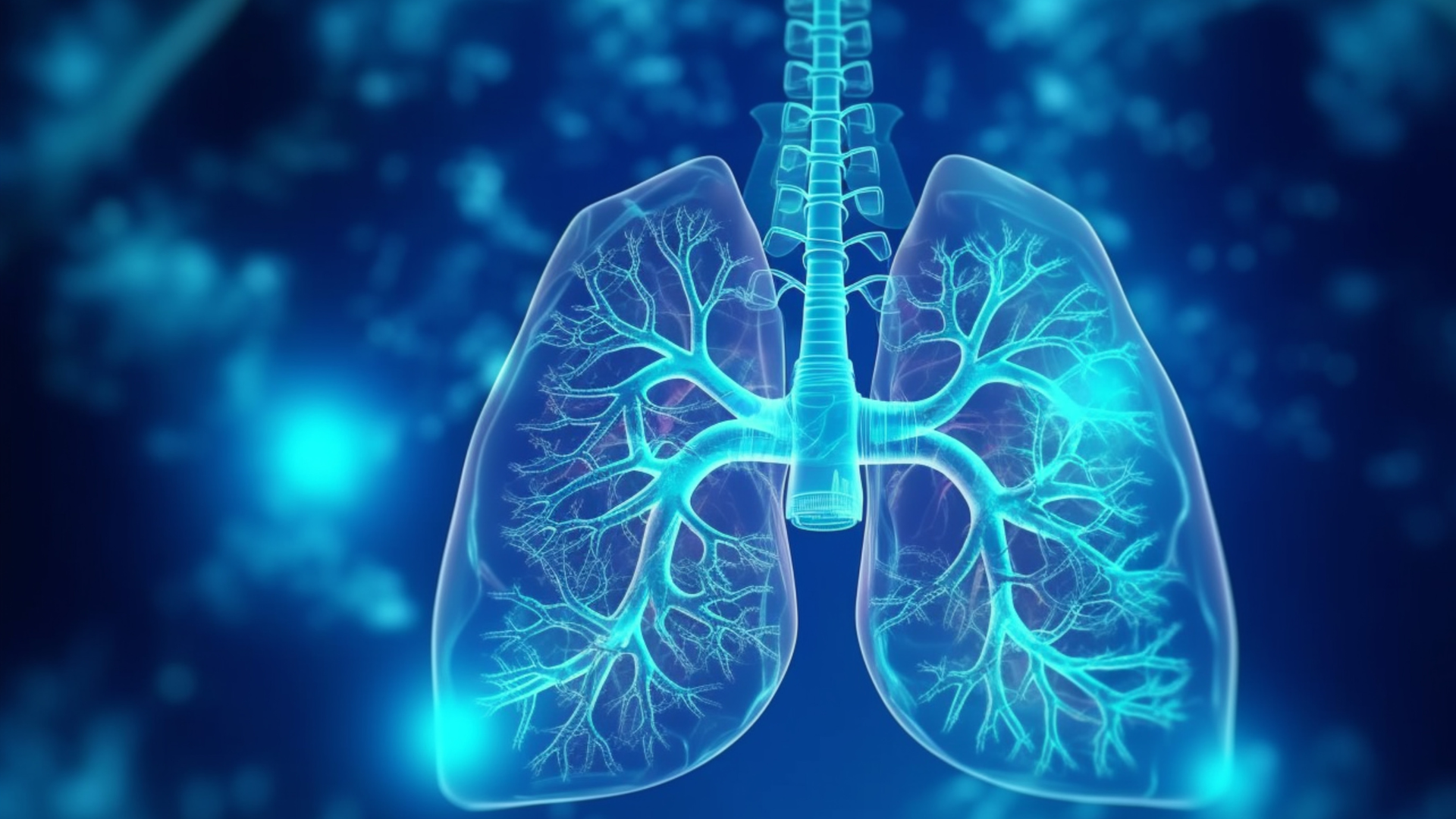
What is Lung Cancer?
Lung cancer is a disease where cells in the bronchial tubes or alveoli grow abnormally into large cancerous tumors that can spread to other organs.
Lung cancer is a disease where cells in the bronchial tubes or alveoli grow abnormally into large cancerous tumors that can spread to other organs. Lung cancer is broadly categorized into two main types: small cell and non-small cell. The latter accounts for 90% of lung cancer cases and includes subtypes such as adenocarcinoma. Recent advancements in targeted therapy have shown promising results in treating these cancers effectively.
Early Symptoms of Lung Cancer
The symptoms of lung cancer depend on the tumor's location. For example, if the tumor is near blood vessels or airways, symptoms may include shortness of breath and coughing up blood. If it spreads to the bones, severe bone pain may occur. If it spreads to the liver, symptoms may include abdominal pain and an enlarged liver, possibly with impaired liver function. If it spreads to the brain, symptoms may include limb weakness. Common general symptoms include persistent cough, fatigue, difficulty breathing, loss of appetite, unexplained weight loss, and frequent lung infections.
Causes of Lung Cancer
- Smoking: Long-term smoking or exposure to secondhand smoke is a major cause of lung cancer. For example, smoking 10 cigarettes per day for 20 years increases the risk by six times.
- Genetic Mutations: Certain genetic mutations in the body can lead to the growth of lung cancer cells. Common mutations in Thailand include EGFR and ALK genes.
- PM 2.5 Pollution: Preliminary research indicates that inhaling PM 2.5 particles can cause respiratory inflammation, which may be associated with lung cancer.
- Other Risk Factors: These include exposure to asbestos, coal smoke, a family history of lung cancer, and chronic obstructive pulmonary disease (COPD).
How Dangerous is Lung Cancer?
According to the Department of Medical Services in 2022, lung cancer is the second most common cause of cancer-related deaths in Thailand. Early detection is challenging, and by the time symptoms appear, the disease is often in an advanced stage with a high mortality rate.
Treatment Options for Lung Cancer
Treatment varies depending on the individual and the stage of the disease:
- Stage 1 and 2: Cancer is confined to the lung and has spread to nearby lymph nodes. Surgery is often performed, followed by pathology to determine the cancer type. Some patients may also receive chemotherapy, targeted therapy, or immunotherapy to reduce the risk of recurrence and metastasis.
- Stage 3: The cancer has spread to the lymph nodes in the middle of the chest. Treatment may include surgery, followed by chemotherapy, targeted therapy, immunotherapy, and possibly radiation to reduce recurrence and metastasis. If surgery is not an option, chemotherapy combined with radiation is the primary treatment, sometimes followed by immunotherapy.
- Stage 4: Cancer has spread to other organs such as bones, adrenal glands, and the brain. Treatment aims to alleviate symptoms, improve the patient's quality of life, and extend survival. This includes chemotherapy, targeted therapy, immunotherapy, or a combination of these, depending on the type of cancer cells and the patient's condition.
How to Prevent Lung Cancer
- Avoid Smoking: Stop smoking and avoid exposure to secondhand smoke.
- Regular Check-ups: Monitor for any abnormal symptoms and undergo regular health check-ups.
- Consult a Doctor: Seek medical advice if abnormal symptoms occur.
- Healthy Diet: Eat a balanced diet with all essential nutrients.
- Exercise Regularly: Maintain a regular exercise routine.
- Screening for High-Risk Individuals: Low-dose CT scans are recommended for individuals over 50 years old with a history of smoking more than 20 pack-years (calculated by multiplying the number of packs smoked per day by the number of years smoked).
Additional Recommendations
Lung cancer treatment is not as daunting as it might seem. Recent advancements in lung cancer treatments, such as targeted therapies, have significantly improved outcomes and survival rates. Testing for genetic mutations associated with lung cancer can lead to more effective, targeted treatment, which often has better outcomes than traditional chemotherapy. There are also newer medications that effectively manage the side effects of chemotherapy, such as anti-nausea drugs and white blood cell boosters.
Information provided by Dr. Komsit Thongthamachart (Oncology).
Source: Lung Cancer Information from GJ Mahidol.
Source: Arokago Health Library.
此类别中的文章由我们的编辑团队撰写,旨在让您了解最新的医疗保健和医疗旅游新闻。