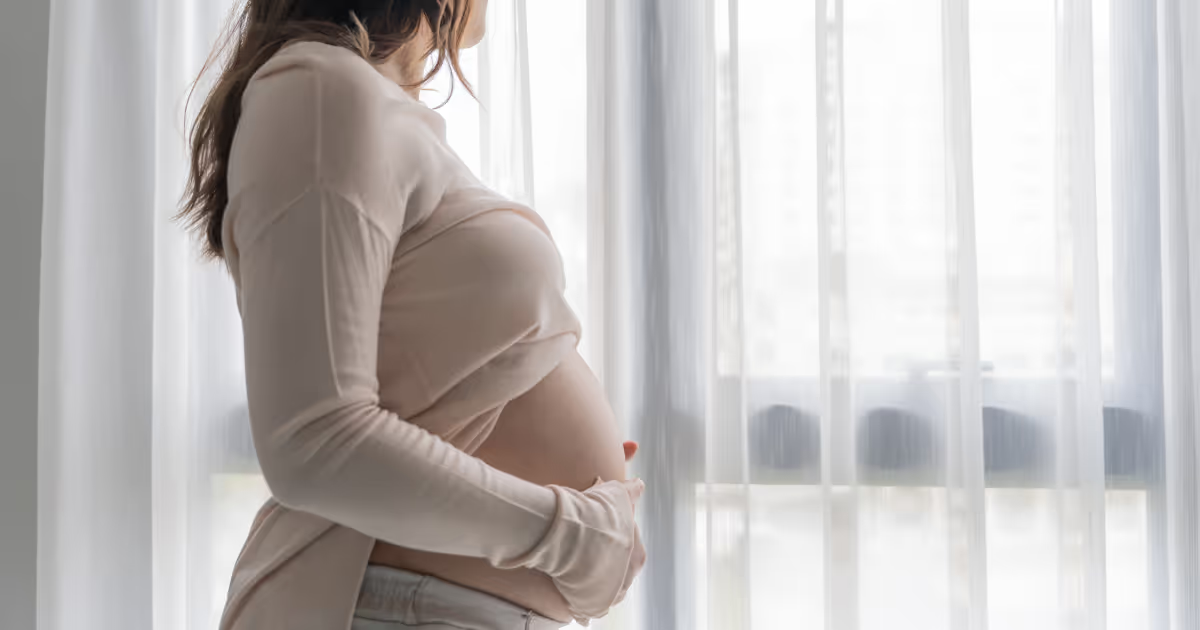
Depression During Pregnancy: A Warning Sign Expecting Mothers Should Not Ignore

Depression during pregnancy can cause mothers to feel more exhausted than usual, have difficulty sleeping, lose their appetite, and lose interest in their surroundings. Importantly, it may also affect the baby, increasing the risk of preterm birth and low birth weight.
Depression During Pregnancy: A Warning Sign Expecting Mothers Should Not Ignore
Pregnancy doesn’t only change a mother’s body or lifestyle-it also affects emotions and mental well-being. During this time, mothers may experience anxiety, fatigue, emotional distress, and the responsibility of caring for both their own health and their baby’s. If these feelings accumulate without being addressed, they may lead to depression during pregnancy.
Depression during pregnancy can cause persistent fatigue, difficulty sleeping, loss of appetite, and a lack of interest in daily life. More importantly, it may also impact the baby, increasing the risk of preterm birth, low birth weight, and potential emotional or behavioral challenges in the future. Depression can occur at any stage-from pregnancy through the postpartum period.Therefore, mental health during pregnancy is just as important as physical health. Taking care of both mind and body is not only self-care-it is also essential for supporting the healthy development of the baby.
Depression & Mood Swings: What Causes Emotional Changes During Pregnancy
Emotional changes during pregnancy can be influenced by several factors, including:
- Hormonal changes: Fluctuations in hormones such as progesterone and estrogen affect both physical and emotional states, making mothers more sensitive, moody, or fatigued than usual.
- Physical symptoms: Common pregnancy symptoms like morning sickness can lead to accumulated fatigue, impacting daily mood.
- Lifestyle factors: Lack of adequate rest can negatively affect emotional well-being and overall feelings.
- Psychological factors: Thoughts, worries, and pressure from those around you-especially adapting to a new role and responsibility for another life-can increase anxiety, particularly in unplanned pregnancies.
- Chronic stress: Ongoing stress can affect relationships, work life, and overall quality of life. Importantly, a mother’s stress can also impact the baby during pregnancy.

Warning Signs of Depression During Pregnancy
Mood swings during pregnancy are common, but some feelings may go beyond normal stress or fatigue. If these symptoms persist, they may indicate that a mother needs extra emotional support, such as:
- Persistent fatigue, low energy, or exhaustion even after adequate rest
- Loss of interest or pleasure in activities once enjoyed
- Coping with stress through unhealthy behaviors, such as smoking or alcohol use
- Excessive anxiety about oneself or the baby, feeling constantly uneasy
- Feeling disconnected from the pregnancy, avoiding talking about the baby, or withdrawing from others despite having support
In some cases, these emotions may become more severe, leading to feelings of hopelessness, low self-worth, or thoughts of self-harm. These are serious warning signs that should not be ignored.If these symptoms last longer than two weeks, it is important to speak with a healthcare professional. Seeking help is not a sign of weakness-it is an important step in caring for both the mother and the baby.

Self-Care and Emotional Healing During Pregnancy
Once you become aware of your emotions, you can begin taking care of yourself through small, meaningful actions that bring comfort each day. This may include getting enough rest, talking with loved ones, engaging in relaxing activities, or doing light exercise. It doesn’t have to be anything big-simply choosing what makes you feel better is enough.
Having supportive people around you who understand and are willing to listen can make a big difference. A partner or family members can help observe emotional changes and offer encouragement on days when you feel overwhelmed. Caring for a mother’s emotional well-being during pregnancy also creates a warm and nurturing environment for the baby to grow with a sense of security and calm.
Mental Health Is the Foundation of a Healthy Pregnancy
Pregnancy is a time when both the body and mind undergo significant changes. Beyond physical care, emotional well-being is equally important and should not be overlooked. Feeling tired, anxious, or emotionally sensitive at times is completely normal. Taking care of your mental health by allowing yourself to relax, not putting too much pressure on yourself, and staying emotionally balanced-is another form of caring for your pregnancy.
When a mother feels emotionally well, that sense of warmth is passed on to the baby. Most importantly, maintaining good mental health can help reduce the risk of postpartum depression and prepare mothers to step confidently into their new role without feeling alone.
Source : MedPark Hospital
**Translated and compiled by ArokaGO Content Team
独立作者
分享此文章
更多文章
探索更多关于医疗保健和医疗旅游的见解。

老年人 RSV 相关肺炎 can 通过疫苗接种 进行预防
呼吸道合胞病毒(RSV)是一种引起呼吸道感染的病毒,是老年人病毒性肺炎的第二大原因。其症状与流感相似,包括发热、咳嗽、流涕、呼吸急促和喘息。许多人认为RSV只影响儿童,但实际上,老年人——尤其是患有糖尿病、心脏病或慢性肺部疾病等基础疾病的人——患上与RSV相关的肺炎风险较高,且该病可能较为严重,甚至危及生命。

指关节疼痛的4个警示信号:它们可能暗示的常见疾病有哪些?
手指关节疼痛是许多人在不同程度上都会经历的常见症状。然而,它可能是潜在关节相关疾病的预警信号。本文将帮助您了解与手指关节疼痛相关的常见疾病,包括其诱因、症状及正确的治疗方法——让您能够关注自身健康并及时就医。

鼾症治疗:低舌神经刺激
阻塞性睡眠呼吸暂停(OSA)是一种对整体健康有显著影响的疾病。在睡眠过程中,呼吸反复暂停或气道阻塞不仅会导致白天嗜睡、疲劳和注意力下降,还会增加高血压、心血管疾病和中风的风险。然而,这种疾病可以通过舌下神经刺激(HNS)进行治疗。该疗法通过刺激控制舌头运动的神经,帮助在睡眠时保持气道开放,防止气道阻塞。这是一种先进的治疗选择,能够改善生活质量,减少症状,并为患者提供一种有效且安全的替代方案。