ArokaGO
  • 社区

公司

ArokaGO

Your trusted medical tourism platform. Connect with world-class healthcare providers in Thailand.

Apple StoreGoogle Play
FacebookInstagramYouTubeTikTokLinkedIn

患者服务

  • 控制台
  • 搜索医疗服务提供者
  • 登录
  • 患者注册
  • 预约

医疗服务提供者

  • 控制台
  • 预约
  • 聊天
  • 登录
  • 加入成为医疗服务提供者

联系我们

  • 泰国曼谷
  • +66 65 829 4562
  • contact@arokago.com

法律

  • 免责声明
  • 隐私政策
  • 评价政策
  • 广告

© 2025 ArokaGO。保留所有权利。

Chinese Scientists Develop Genetically Modified Rice with Antioxidant to Support Heart Health
  1. /
  2. 新闻
  3. /
  4. Global Health News
2 分钟阅读
|
February 18, 2025

Chinese Scientists Develop Genetically Modified Rice with Antioxidant to Support Heart Health

本页内容
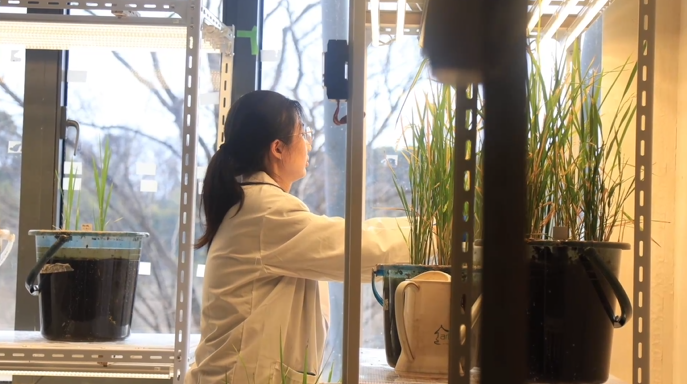
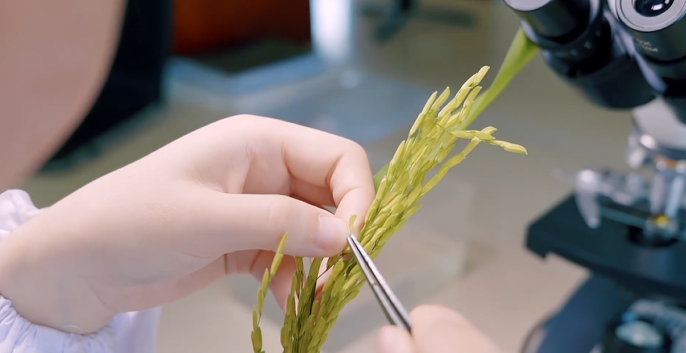
Shanghai,(Xinhua) – A team of Chinese scientists has successfully developed a new rice variety using gene-editing techniques that enables the production of Coenzyme Q10 (CoQ10), an antioxidant that provides cardiovascular health benefits to consumers.
分享此新闻
T
The ArokaGO Reporter
Global Health News
T
The ArokaGO Reporter
Global Health News

Shanghai,(Xinhua) – A team of Chinese scientists has successfully developed a new rice variety using gene-editing techniques that enables the production of Coenzyme Q10 (CoQ10), an antioxidant that provides cardiovascular health benefits to consumers.

Coenzyme Q10 is a fat-soluble antioxidant naturally produced by the human body and plays a crucial role in overall health, particularly heart function. However, CoQ10 production declines with age, making dietary supplementation beneficial. Grains like rice, as well as certain fruits and vegetables, primarily synthesize Coenzyme Q9 (CoQ9) instead of CoQ10.

The research team analyzed the natural evolutionary variations in Coenzyme Q1 (Coq1) enzymes across more than 1,000 plant species. By applying machine learning (ML) techniques, scientists successfully modified five key amino acids in the Coq1 enzyme within rice plants, allowing them to synthesize CoQ10 instead of CoQ9. Importantly, this genetic modification did not affect rice yield, ensuring the feasibility of large-scale production.

This study also highlights how big data and artificial intelligence (AI) can be applied to crop breeding and genetic improvements. Similar research efforts are underway to enhance wheat varieties using the same approach.

The research team includes scientists from the Center for Excellence in Molecular Plant Science/Shanghai Chenshan Research Center and the Institute of Genetics and Developmental Biology in Beijing, all affiliated with the Chinese Academy of Sciences (CAS). The findings were published online in the journal Cell on Friday, Feb. 14.


Source
Xinhuathai News

T
The ArokaGO Reporter
Global Health News

此类别中的文章由我们的编辑团队撰写,旨在让您了解最新的医疗保健和医疗旅游新闻。

更多新闻

Dr. Ascha Thangpattanakul, a Thai Medical Representative, to Speak at IMCAS World Congress 2025
上一篇

Dr. Ascha Thangpattanakul, a Thai Medical Representative, to Speak at IMCAS World Congress 2025

February 17, 2025

Asst.Prof.Dr. Pansak Sugkraroek Shares Lifestyle Insights for Longevity and Sustainable Well-Being
下一篇

Asst.Prof.Dr. Pansak Sugkraroek Shares Lifestyle Insights for Longevity and Sustainable Well-Being

February 18, 2025