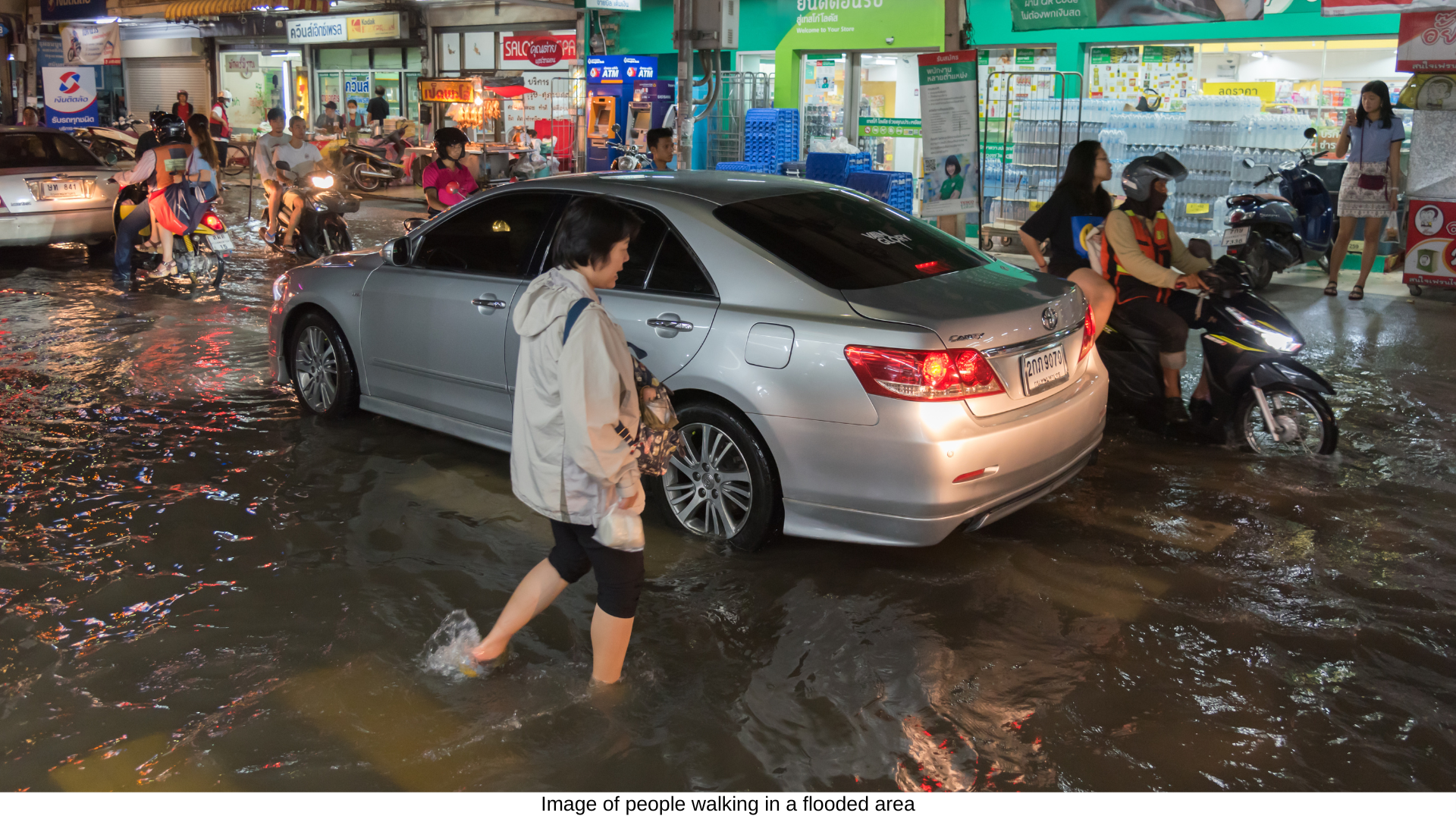
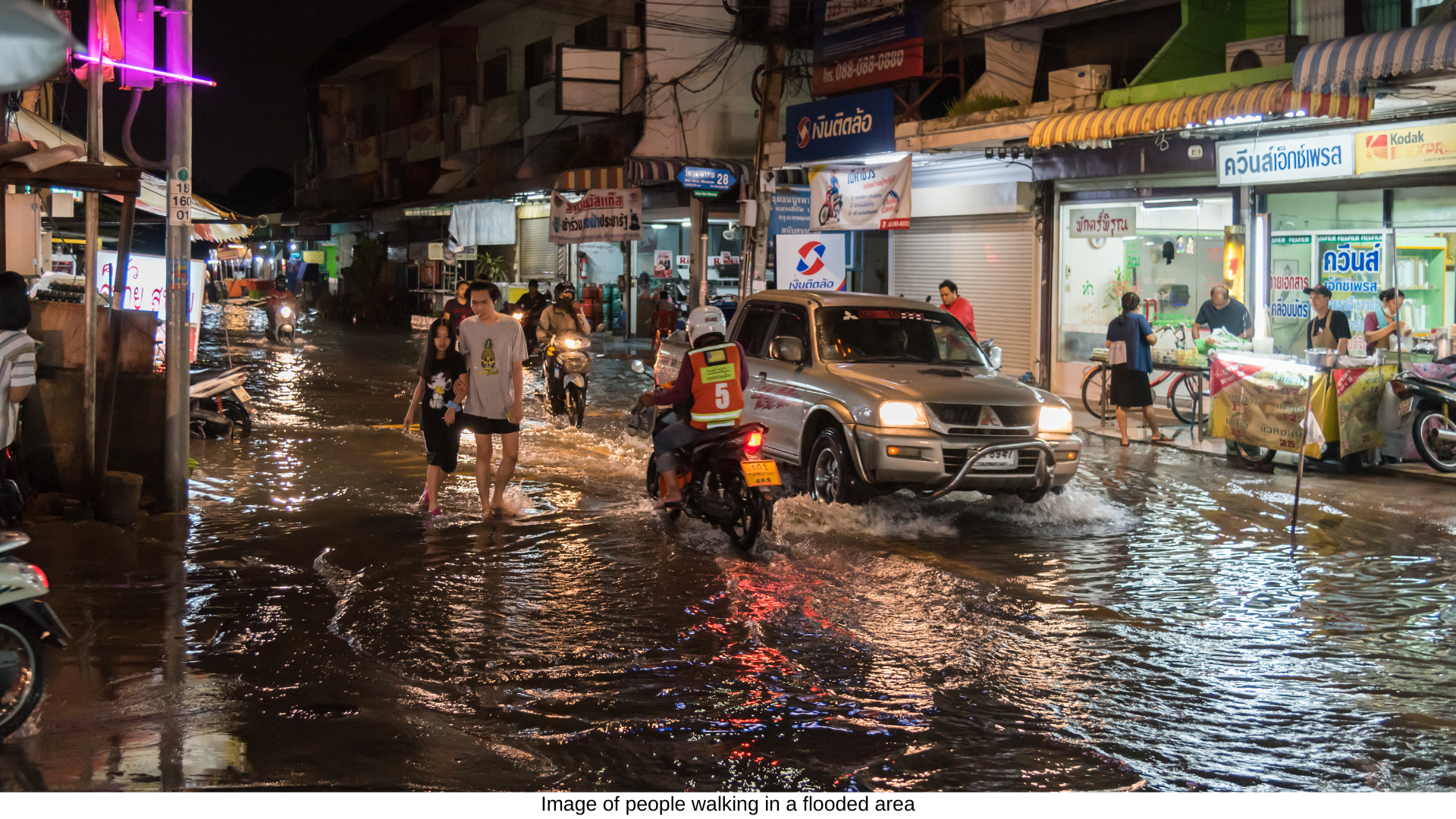
The Department of Medical Services warns of the dangers of diseases that accompany floods, with most cases involving gastrointestinal infections, conjunctivitis, skin infections from insect bites, and trench foot. The public is advised to prepare for and take care of their health.
Dr. Somsak Akksilp, Director-General of the Department of Medical Services, stated that many provinces are currently experiencing flooding, which affects the health of those affected by floods. Contaminated water supplies used for daily consumption may carry pathogens, waste, and potentially harmful chemicals.
In addition, stagnant water can cause animals and insects to leave their habitats and take refuge in various locations, allowing disease vectors to thrive and spread more rapidly, increasing the risk of disease outbreaks.

Common Diseases During Floods:
Gastrointestinal Infections: These include diarrhea from food poisoning and leptospirosis (rat fever).
Conjunctivitis: This is an inflammation of the white of the eye caused by a rapidly spreading virus that is highly contagious. It can spread to others through direct contact. Symptoms include red eyes, eye irritation, swollen and tender lymph nodes behind the ears, low-grade fever, sore throat, and muscle pain.
Skin Diseases: Skin infections during floods may result from contact with chemicals, dirt, or pathogens such as bacteria, fungi, or parasites. Skin conditions include insect bites and trench foot. Prolonged exposure to water, especially in the spaces between the toes, can cause skin maceration, making it easier for pathogens in the water to enter the body.

Health Precautions:
For Safe Drinking Water: Each household should ensure access to clean water for consumption. If clean water is not available, boil the water for at least 10 minutes before use. Be mindful that water sources near industrial or chemical areas may be contaminated with chemicals, which cannot be removed by heat alone. It is essential to secure a sufficient supply of clean water to prevent gastrointestinal infections.
To Prevent Conjunctivitis: Wash your hands frequently with soap, as hands are a primary means of spreading pathogens. Avoid rubbing or wiping your eyes vigorously, and do not self-administer eye drops or share them with others.
Foot Care: Avoid prolonged exposure to floodwaters. If you must wade through water, wear boots to protect against sharp objects, and immediately clean your feet with clean water and soap, then dry them thoroughly. If you have open wounds or skin rashes, avoid contact with contaminated water. Seek medical attention, and strictly follow any prescribed treatments.
Protection Against Insect Bites: Wear protective clothing, sleep under a mosquito net, and regularly inspect your home, especially since venomous insects and animals may seek higher ground during floods. Keep your living area clean. Parents should supervise young children who may play in floodwaters without regard for cleanliness or hidden dangers. Additionally, inspect your home’s electrical systems carefully. If there is a sudden flood, immediately turn off the power switch to prevent electrical shocks, which could be life-threatening.
Source: Thai Health
此类别中的文章由我们的编辑团队撰写,旨在让您了解最新的医疗保健和医疗旅游新闻。