High blood pressure, or hypertension, is a common condition that directly affects the cardiovascular system. Without proper treatment, it can lead to heart disease, stroke, and kidney disease. Adjusting dietary habits is one way to control blood pressure, but many people often wonder, “What should people with high blood pressure eat?” This article will discuss suitable dietary guidelines to help individuals manage their blood pressure more effectively.
People with high blood pressure should prioritize healthy food choices, as the right diet can help regulate blood pressure levels.
A simple guideline for food selection is to reduce sodium intake, avoid salty foods, and stay away from processed or canned foods that are high in sodium. Instead, increase fiber intake from fresh fruits, vegetables, whole grains, and legumes. Opt for natural protein sources like fish, lean meats, and legumes. Limit saturated and trans fats, which are commonly found in fried and packaged snacks. Drinking at least 8 glasses of water a day, avoiding alcohol, and reducing sugary beverages can also help regulate blood pressure.
Various foods can help reduce blood pressure, and individuals can tailor their diet to suit their preferences.

Fruits and Vegetables
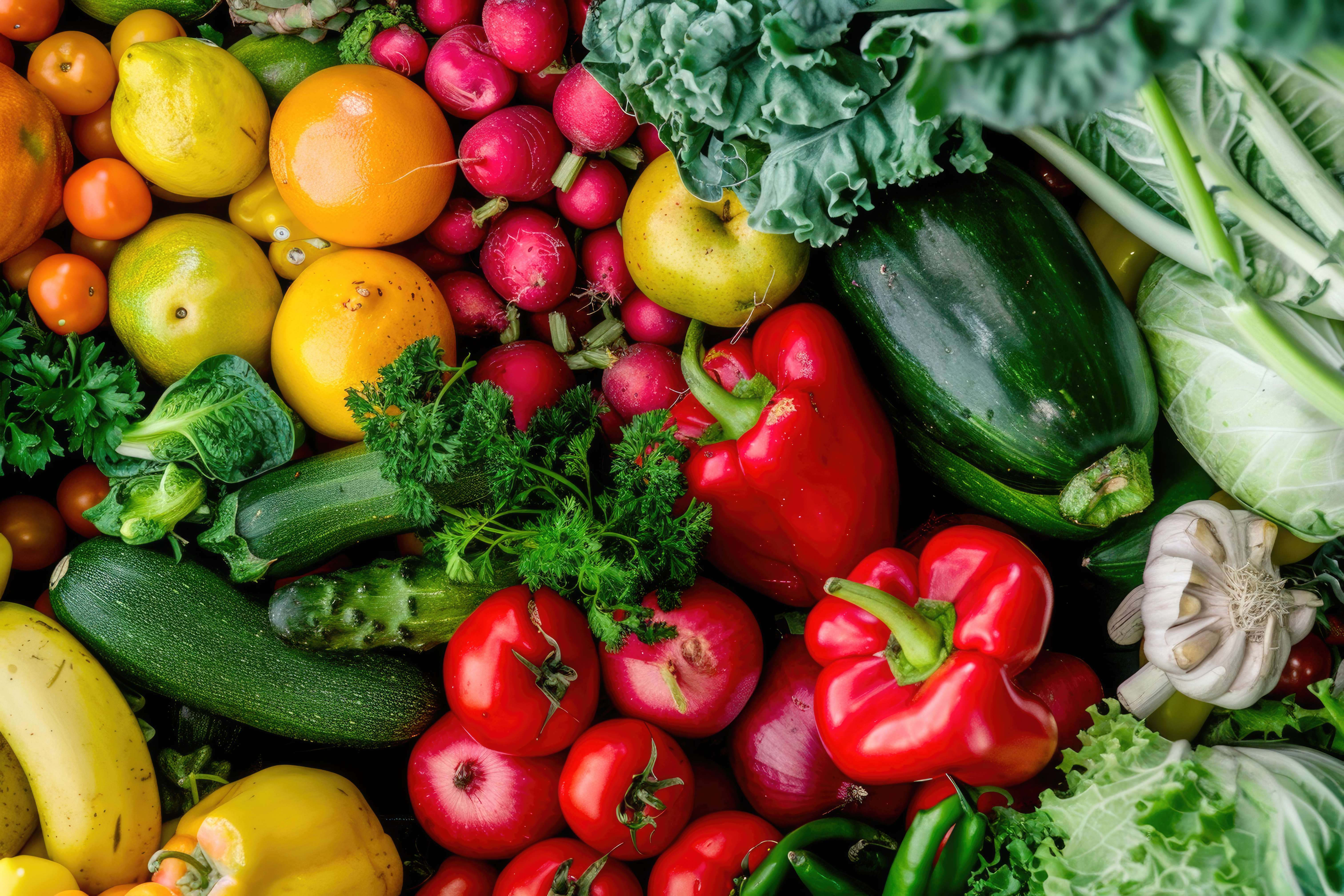
Eating fruits and vegetables helps lower blood pressure due to their essential nutrients, such as potassium, magnesium, and dietary fiber. Examples include:
- Bananas: High in potassium, which helps control blood pressure.
- Oranges: Rich in vitamin C and fiber.
- Carrots: High in vitamin A and fiber.
- Spinach: Contains magnesium and potassium to balance sodium in the body.
- Leafy greens like broccoli and kale also benefit blood pressure management.

Whole Grains
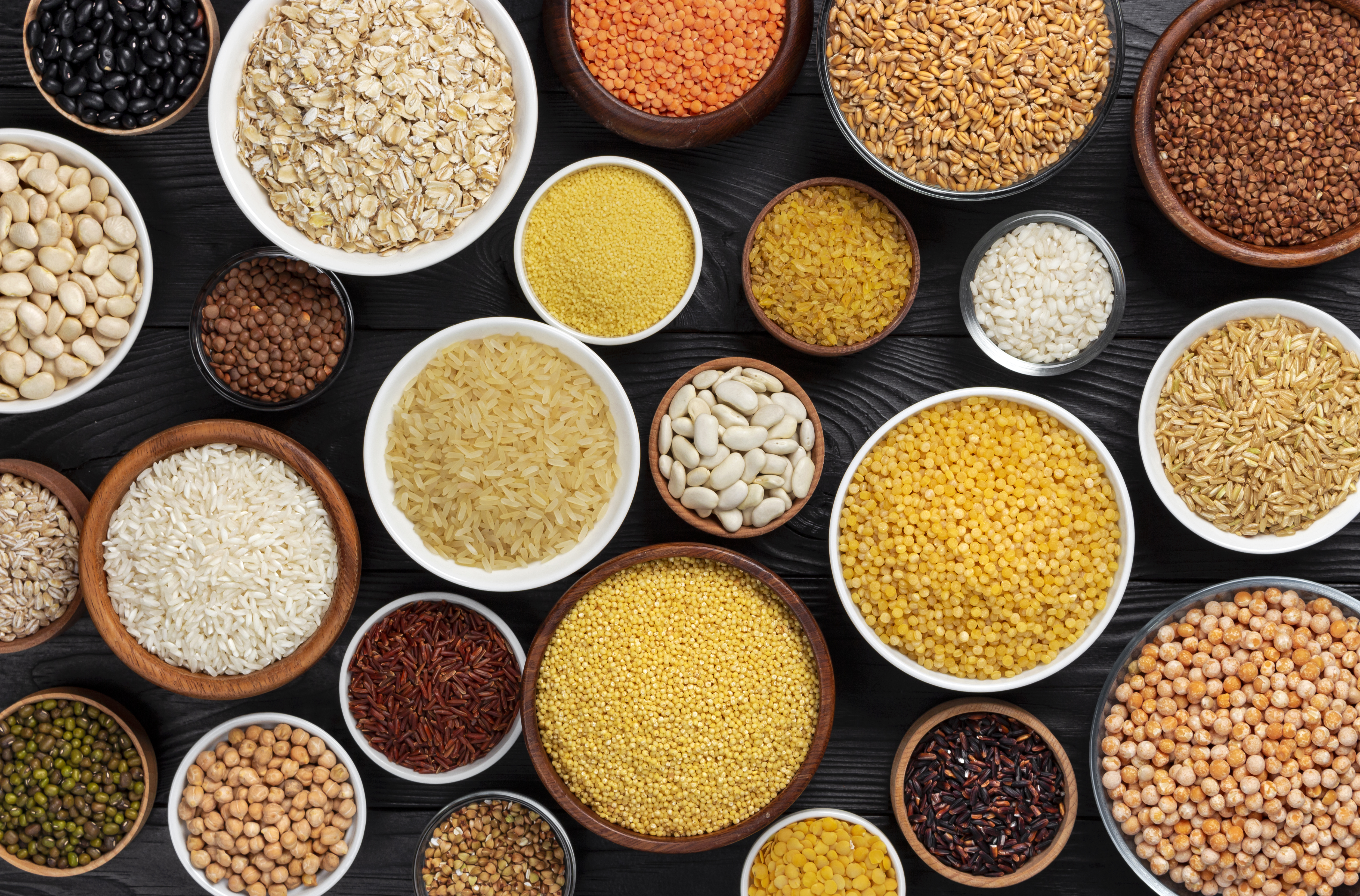
Whole grains are high in fiber, which helps regulate blood sugar and blood pressure. Examples include:
- Brown rice: Rich in magnesium and fiber.
- Oats: Helps lower cholesterol and blood pressure.
- Quinoa: High in protein and magnesium.
- Barley: High in fiber.
- Whole wheat bread: Rich in fiber, helping lower blood pressure.
Low-fat Dairy Products
Low-fat or fat-free dairy products are excellent sources of calcium, protein, and vitamin D, which support bone health and lower blood pressure. Examples include:
- Low-fat milk
- Low-fat yogurt
- Low-fat cheese
Unprocessed Proteins
Choosing unprocessed proteins helps reduce trans fat and sodium intake, which can impact blood pressure. Low-fat proteins also help manage blood pressure. Examples include:
- Fish like salmon, tuna, and sardines
- Lean chicken, red meat, or low-fat meat
- Various beans, such as soybeans, green beans, and peas

Healthy Fats
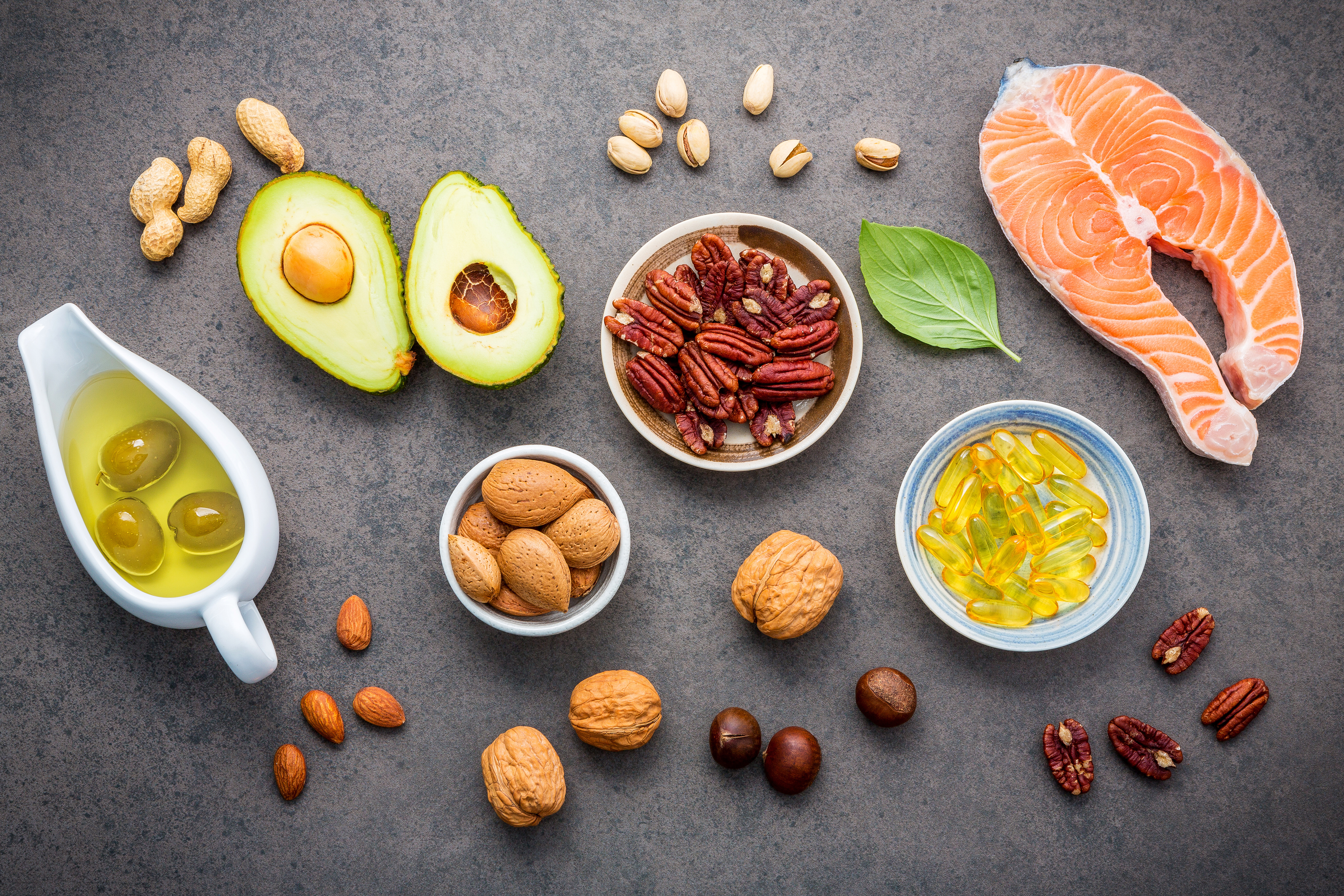
Healthy fats, such as monounsaturated and polyunsaturated fats, lower cholesterol and blood pressure. Examples include:
- Olive oil
- Canola oil
- Avocado
- Nuts and seeds like almonds, walnuts, and chia seeds
Drink Sufficient Water
Drinking enough water is important for maintaining the body's sodium balance, which helps regulate blood pressure. Replacing sugary or salty drinks with plain water can reduce the risk of hypertension.
Herbs and Spices
Using herbs and spices such as garlic, ginger, and black pepper to season food can enhance flavor without the need for salt, reducing sodium intake, which is a significant factor in high blood pressure.
Foods to Avoid
- High-sodium foods: Processed foods, canned goods, seasoning sauces, and salty snacks increase water retention and blood pressure.
- Saturated and trans fats: Found in fried foods, fast food, and junk food, these increase the risk of heart disease.
- Alcohol: Excessive drinking raises blood pressure.
- Sugar and sweets: Sugary drinks, snacks, and desserts contain high sugar levels, which can lead to obesity, diabetes, high cholesterol, and higher blood pressure.
Conclusion
To answer the question, “What should people with high blood pressure eat?” the above information provides a foundation for making dietary choices. Opting for healthy foods and avoiding harmful ones can make it easier to control blood pressure. Additionally, regular exercise, such as walking, swimming, or cycling, and managing stress through yoga or breathing exercises, can help improve blood pressure control and reduce the risk of other chronic diseases.
Regular health checkups help prevent high blood pressure. If you have hypertension, follow your doctor’s advice closely and attend all follow-up appointments to monitor and adjust your blood pressure management plan as necessary.
Source: Praram 9 Hospital
Source: Arokago Health Library
此类别中的文章由我们的编辑团队撰写,旨在让您了解最新的医疗保健和医疗旅游新闻。