الاكتئاب أثناء الحمل: علامة تحذيرية ينبغي على الأمهات المنتظرات ألا يتجاهلوها

الاكتئاب أثناء الحمل يمكن أن يسبب شعور الأمهات بإرهاق أكثر من المعتاد، وصعوبة في النوم، وفقدان الشهية، وفقدان الاهتمام بالمحيط. والأهم من ذلك، أنه قد يؤثر أيضًا على الجنين، مما يزيد من خطر الولادة المبكرة وانخفاض وزن الولادة.
الاكتئاب أثناء الحمل: علامة تحذير يجب ألا تتجاهلها الحوامل
لا يقتصر الحمل على تغيير جسم الأم أو نمط حياتها فحسب، بل يؤثر أيضًا على المشاعر والصحة النفسية. خلال هذه الفترة، قد تمر الأمهات بالقلق، والإرهاق، والضغوط النفسية، والشعور بمسؤولية الاعتناء بصحتهن وصحة الجنين معًا. إذا تراكمت هذه المشاعر دون معالجة، فقد تؤدي إلى الاكتئاب أثناء الحمل.
يمكن أن يسبب الاكتئاب أثناء الحمل الإرهاق المستمر، وصعوبة النوم، وفقدان الشهية، وانعدام الرغبة في ممارسة الأنشطة اليومية. والأهم من ذلك، أنه قد يؤثر أيضًا على الطفل، مما يزيد من خطر الولادة المبكرة، أو انخفاض وزن الولادة، وظهور تحديات عاطفية أو سلوكية في المستقبل. ويمكن أن يحدث الاكتئاب في أي مرحلة من الحمل حتى فترة ما بعد الولادة. لذلك، تعتبر الصحة النفسية أثناء الحمل مهمة تمامًا مثل الصحة الجسدية. الانتباه لصحة العقل والجسد معًا ليس مجرد رعاية ذاتية بل هو أيضًا أمر ضروري لدعم تطور الطفل بشكل صحي.
الاكتئاب وتقلبات المزاج: ما أسباب التغيرات العاطفية أثناء الحمل؟
يمكن أن تتأثر التغيرات العاطفية أثناء الحمل بعدة عوامل، من بينها:
- التغيرات الهرمونية: تؤثر تقلبات هرمونات مثل البروجسترون و الإستروجين على الحالة الجسدية والعاطفية، مما يجعل الأمهات أكثر حساسية أو تقلبًا في المزاج أو الإرهاق أكثر من المعتاد.
- الأعراض الجسدية: قد تؤدي أعراض الحمل الشائعة مثل الغثيان الصباحي إلى تراكم التعب، والذي يمكن أن ينعكس على المزاج اليومي.
- العوامل المتعلقة بنمط الحياة: نقص الراحة الكافية قد يؤثر سلبًا على الصحة النفسية والشعور العام.
- العوامل النفسية: الأفكار والمخاوف والضغوط من المحيطين- خاصة عند التكيف مع دور جديد وتحمل مسؤولية حياة أخرى- يمكن أن تزيد من القلق، خاصة في حالات الحمل غير المخطط له.
- الضغط النفسي المزمن: يمكن أن يؤثر الضغط المستمر على العلاقات، والحياة العملية، وجودة الحياة بشكل عام. والأهم من ذلك، أن ضغط الأم النفسي يمكن أن يؤثر أيضًا على الجنين أثناء الحمل.
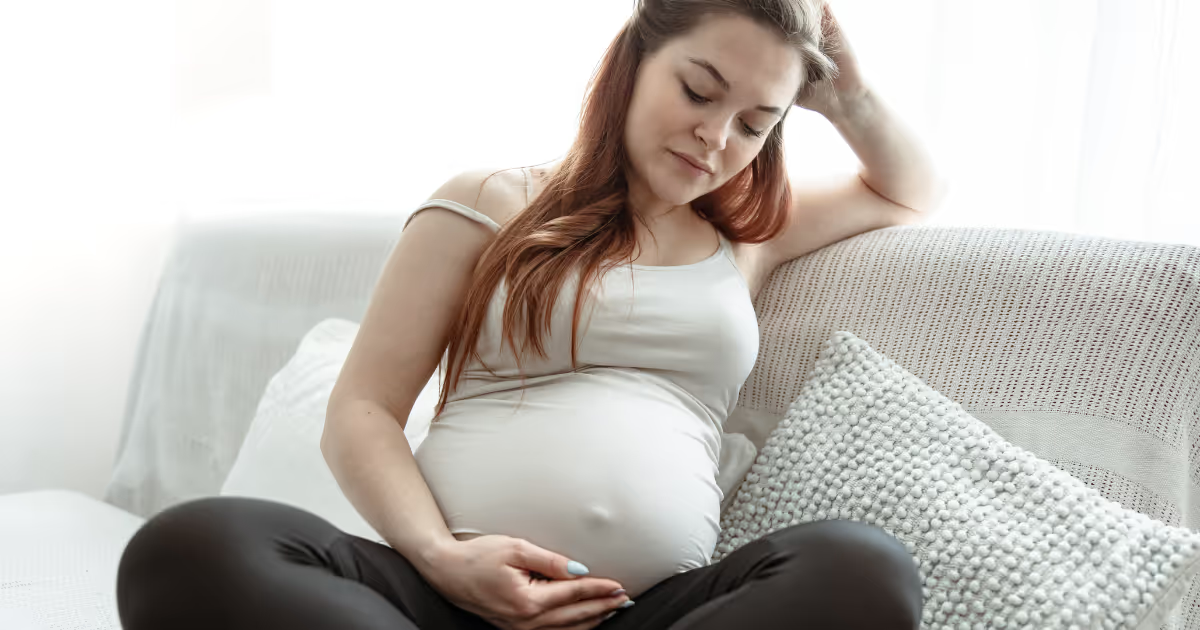
علامات التحذير من الاكتئاب أثناء الحمل
تقلبات المزاج أثناء الحمل شائعة، لكن بعض المشاعر قد تتجاوز حدود الضغط أو الإرهاق المعتاد. إذا استمرت هذه الأعراض، فقد تكون مؤشرًا على أن الأم بحاجة إلى دعم نفسي إضافي، مثل:
- إرهاق مستمر أو انخفاض الطاقة أو الشعور بالتعب حتى بعد الراحة الكافية
- فقدان الرغبة أو المتعة في الأنشطة المفضلة سابقًا
- مواجهة الضغط النفسي من خلال سلوكيات غير صحية مثل التدخين أو شرب الكحول
- قلق مفرط بشأن الذات أو الجنين، أو الشعور الدائم بعدم الارتياح
- الشعور بعدم الارتباط بالحمل، أو تجنب الحديث عن الطفل، أو الانعزال عن الآخرين رغم وجود دعم
في بعض الحالات، قد تتفاقم هذه المشاعر، مما يؤدي إلى الإحساس باليأس، أو فقدان تقدير الذات، أو التفكير في إيذاء النفس. هذه علامات تحذير خطيرة يجب عدم تجاهلها. إذا استمرت هذه الأعراض لأكثر من أسبوعين، من المهم التحدث مع أحد مقدمي الرعاية الصحية. البحث عن المساعدة ليس علامة ضعف- بل هو خطوة هامة للعناية بالأم والطفل معًا.
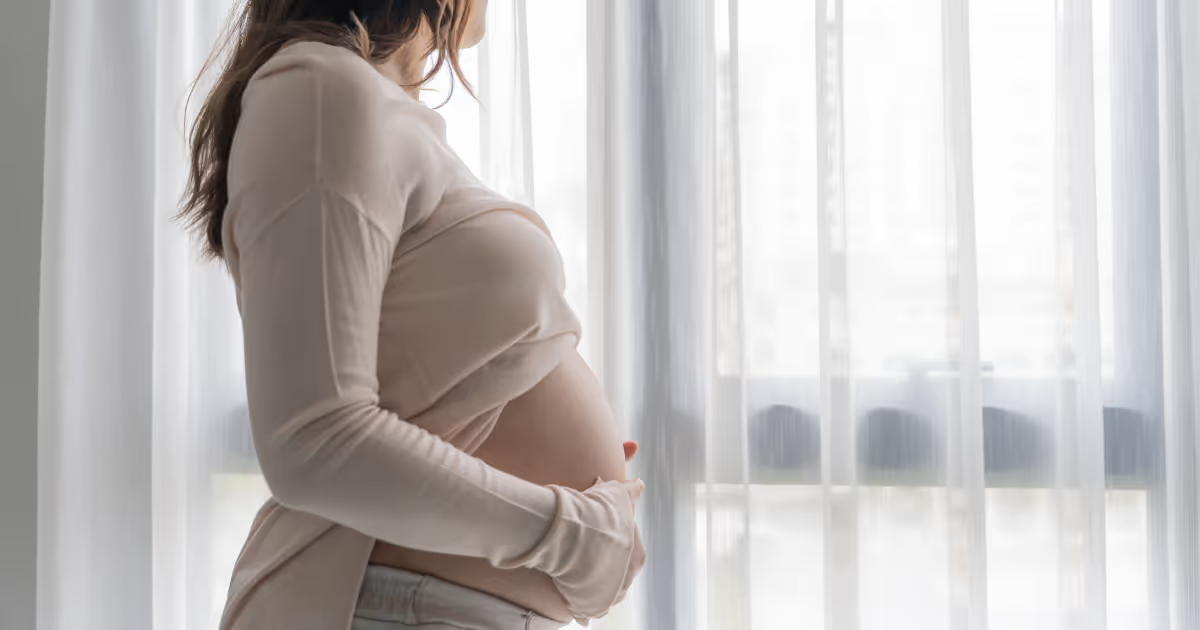
العناية الذاتية والتعافي العاطفي أثناء الحمل
بمجرد وعيك بمشاعرك، يمكنك البدء في العناية بنفسك من خلال أعمال صغيرة وبسيطة تمنحك الراحة يوميًا. قد يشمل ذلك الحصول على قسط كافٍ من الراحة، أو التحدث مع أحبائك، أو ممارسة أنشطة مريحة، أو القيام بتمارين رياضية خفيفة. لا يتطلب الأمر الكثير- يكفي أن تختاري ما يجعلك تشعرين بتحسن.
وجود أشخاص داعمين من حولك لديهم فهم واستعداد للاستماع يمكن أن يصنع فرقًا كبيرًا. يمكن للشريك أو أفراد الأسرة ملاحظة التغيرات العاطفية وتقديم الدعم في الأيام التي تشعرين فيها بالإرهاق. الاعتناء بالصحة العاطفية للأم أثناء الحمل يساهم أيضًا في تهيئة بيئة دافئة وآمنة لنمو الطفل بروح من الأمان والطمأنينة.
الصحة النفسية هي أساس حمل صحي
الحمل فترة يمر فيها كل من الجسد والعقل بتغيرات كبيرة. إلى جانب الرعاية الجسدية، تظل العافية النفسية أمرًا مهمًا لا يجب إهماله. الشعور بالتعب أو القلق أو الحساسية العاطفية أحياناّ هو أمر طبيعي تمامًا. ومن أشكال العناية بحملك أيضًا الاهتمام بصحتك النفسية من خلال منح نفسك وقتًا للاسترخاء وعدم الضغط على نفسك والحفاظ على توازنك العاطفي.
عندما تشعر الأم بعافية نفسية جيدة، ينتقل هذا الإحساس بالدفء إلى الجنين. والأهم، أن الحفاظ على الصحة النفسية الجيدة يساعد على الحد من خطر الإصابة باكتئاب ما بعد الولادة ويهيئ الأمهات لخوض الدور الجديد بثقة ودون إحساس بالوحدة.
المصدر: مستشفى ميدبارك
**تمت الترجمة والتجميع بواسطة فريق محتوى ArokaGO
كاتب مستقل
مشاركة هذه المقالة
المزيد من المقالات
اكتشف المزيد من الأفكار حول الرعاية الصحية والسياحة العلاجية.

"جدري القردة" ينتشر حالياً في تايلاند: منظور الطب التقليدي التايلاندي
في عالم اليوم، حيث نواصل مواجهة انتشار الأمراض المعدية الناشئة والمعاودة مثل جدري القردة، فإن فهم الأمراض من خلال وجهات نظر متعددة يمكن أن يساعدنا في الاستجابة بشكل أكثر شمولاً. وعلى الرغم من أن النصوص الطبية التقليدية التايلاندية الكلاسيكية لا تصف "الفيروسات" بشكل مباشر، حيث تم تطوير هذا المجال من المعرفة قبل الاكتشاف العلمي للكائنات الدقيقة، إلا أن أعراض وخصائص هذا المرض لا تزال قابلة للتفسير بشكل ذي معنى من خلال نظرية الطب التايلندي القديم.

السياحة الصحية في تايلاند | لماذا يأتي المسافرون لأكثر من مجرد عطلة
عندما يفكر الناس في تايلاند، عادةً ما تتبادر إلى أذهانهم الشواطئ، وطعام الشارع، والمعابد، والحياة المدنية النابضة بالحياة. ولكن في السنوات الأخيرة، حدث تغيير. أصبح المزيد من المسافرين يأتون لهدف مختلف — ليس فقط للاستكشاف، بل لتحسين صحتهم ورفاهيتهم، وتقليل التوتر، والخضوع لفحوصات الصحة الوقائية، أو ببساطة للعناية بأنفسهم بشكل أفضل.

السياحة العلاجية في تايلاند: حيث يُشعرك التعافي وكأنه رحلة العمر
تخيل أن تستيقظ في بانكوك، وتشاهد نهر تشاو فرايا بينما تمر القوارب الطويلة خارج نافذتك. بعد ساعات فقط، تكون قد أكملت فحصاً صحياً شاملاً في مستشفى عالمي المستوى، وراجعت نتائجك، وتستمتع بقهوة مثلجة بجانب مسبح على السطح قبل العشاء في أسياتيك.