هل ركوب الدراجات فعلاً فعّال في علاج الفُصال العظمي للركبة؟ اكتشف التقنيات لتقوية ركبتيك من خلال ركوب الدراجات دون جراحة.

بالنسبة لأولئك الذين يعانون من ألم الركبة أو يعانون من الفُصال العظمي للركبة، قد يكون التحرك الجسدي أمرًا شاقًا في كثير من الأحيان. يختار الكثيرون التوقف عن الحركة خوفًا من تضرر الركبة بشكل أكبر، ولكن في الواقع، يؤدي الخمول إلى ضمور العضلات وتيبس الركبة. واحدة من أكثر الطرق الموصى بها من قبل الأطباء وأخصائيي العلاج الطبيعي حول العالم هي ركوب الدراجة لعلاج الفُصال العظمي. لكن السؤال هو: كيف يمكن ركوب الدراجة بشكل فعّال لإعادة التأهيل دون تفاقم حالة المفصل؟ يقدم هذا المقال الجواب.
لماذا يُعتبر ركوب الدراجة خيارًا جيدًا للأشخاص الذين يعانون من ألم الركبة والفُصال العظمي؟
ركوب الدراجة ليس مجرد تمرين للقلب، بل هو أيضًا علاج طبيعي للمفاصل، وذلك لثلاثة أسباب رئيسية:
1. تقليل التأثير (تأثير منخفض): مفتاح الحفاظ على الغضروف المفصلي.
يقلل ركوب الدراجة من الوزن الواقع على الركبتين، بخلاف الجري أو تمارين الأيروبيك، حيث يُنقل أغلب الوزن إلى مقعد الدراجة. هذا يعني أن الغضروف المتآكل لا يضطر لامتصاص الصدمات بشكل مباشر أثناء الحركة.
2. تعزيز التزليق داخل المفاصل وحركة سلسة.
الحركة الدائرية المستمرة والمتناسقة لمفصل الركبة أثناء ركوب الدراجة تحفز إنتاج ودوران السائل الزليلي، مما يعزز الحركة السلسة، ويقلل من التيبس، ويحسن إيصال المغذيات إلى الغضروف المفصلي.
3. تقوية العضلات حول الركبة لتعمل كـ"درع وقائي" طبيعي.
بالإضافة إلى تناول نظام غذائي يدعم صحة الركبة، فإن جانبًا أساسيًا آخر من ركوب الدراجة لإدارة الفُصال العظمي للركبة هو تقوية عضلات الفخذ الرباعية والعضلات المحيطة بمفصل الركبة. عندما تكون هذه العضلات مستقرة، فإنها تعمل كالمخمدات، تدعم المفصل وتقلل بشكل كبير من الإجهاد على العظام والأربطة.
الإجابة على السؤال، "هل ركوب الدراجة يزيد من تدهور الركبة؟" ما السلوكيات التي يجب الحذر منها؟
هناك اعتقاد خاطئ بأن ركوب الدراجة يزيد من تدهور الركبة. في الواقع، غالبًا ما يكون التدهور ناتجًا عن تقنيات ركوب دراجة غير صحيحة، مثل استخدام تروس ثقيلة جدًا تتطلب جهدًا مفرطًا أو وجود وضعية غير متوازنة على الدراجة. هذه العوامل تضغط على الرضفة والأوتار المحيطة، مما يؤدي إلى الالتهاب. لذلك، إذا تم ركوب الدراجة بطريقة صحيحة وبشدة مناسبة، يمكن أن يبطئ بشكل ملحوظ من تدهور الركبة.
تقنيات ضبط الدراجة والاستعداد قبل "ركوب الدراجة لعلاج الفُصال العظمي للركبة".
قبل البدء في ركوب الدراجة، من المهم الاستعداد بشكل صحيح. فقد يؤدي إعداد الدراجة بشكل غير صحيح دون قصد إلى وضع ضغط إضافي على ركبتيك. ولهذا قمنا بجمع بعض نصائح ضبط الدراجة لك:
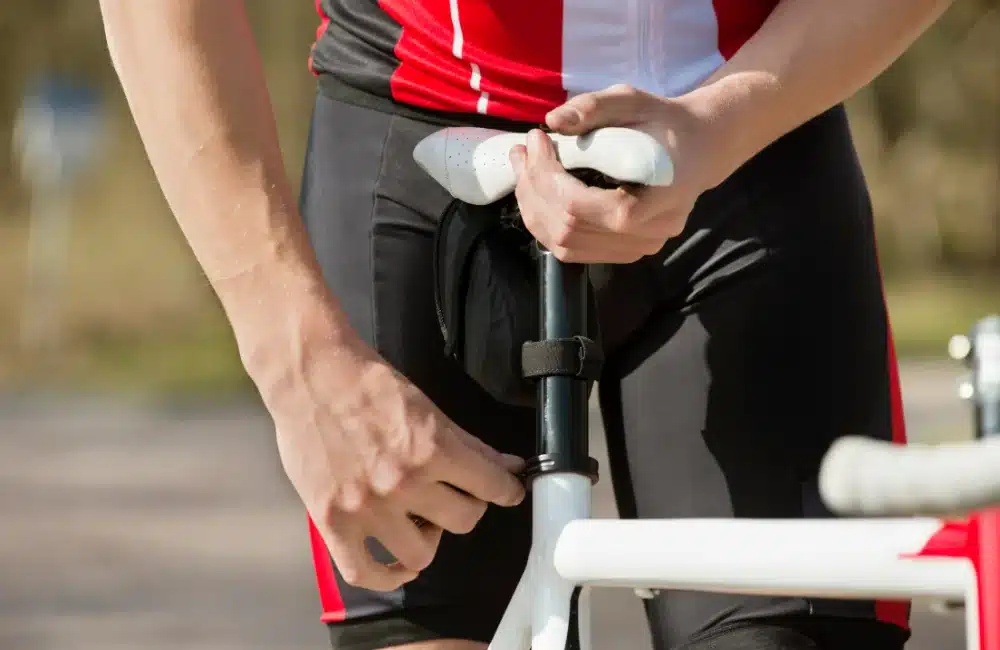
1. ضبط ارتفاع وموضع المقعد بشكل صحيح يقلل الضغط على الرضفة.
المقعد المنخفض جدًا سيؤدي إلى انثناء الركبة بشكل زائد وزيادة الضغط على الرضفة. والمقعد العالي جدًا سيجعل الركبة متيبسة ويسبب ألمًا في أوتار الفخذ. الارتفاع الصحيح هو عندما يكون القدم في أدنى نقطة على الدواسة، يجب أن تكون الركبة منحنية قليلاً، حوالي 25-30 درجة، وألا تكون متيبسة أو مرتخية للغاية.
2. كيفية اختيار المقاومة المناسبة والتروس للمبتدئين.
لمن يبدأون في ركوب الدراجة من أجل إدارة الفُصال العظمي للركبة، ابدأ بمقاومة منخفضة أو ترس خفيف وركز على الحفاظ على معدل دوارن منتظم. ركوب الدراجة بتروس ثقيلة قد يبدو كما لو أنه تمرين قوي، ولكن على المدى الطويل يمكن أن يضر بالمفاصل. استمر حتى تشعر بتعب معتدل، وليس ألمًا أو انزعاجًا في مفاصلك.
3. تمارين الإحماء وإطالة عضلات الجزء السفلي من الجسم قبل وبعد ركوب الدراجة.
قبل بداية الركوب، يجب عليك إجراء هزات خفيفة للساقين أو ركوب الدراجة بسرعة منخفضة جدًا لمدة 5-10 دقائق لتسخين السائل المفصلي. بعد الانتهاء من الركوب، لا تنس إطالة عضلات الفخذ والساق لتقليل شد العضلات الذي قد يؤثر على ركبتيك.
قائمة مرجعية لمواصفات الدراجة المناسبة لكبار السن أو لمن يعاني من مشكلات في الركبة.
إذا كنت تبحث عن دراجة لتحسين صحة ركبتك، راعِ النقاط التالية:
- إطار قابل للعبور: هو هيكل دراجة بدون عمود علوي مرتفع، مما يسهل الصعود والنزول ويقلل من خطر السقوط.
- وضعية ركوب قائمة: يكون المقود على ارتفاع يسمح لك بالجلوس على نحو قائم، مما يقلل الضغط على الظهر والرقبة ويقلل الحاجة للانحناء.
- مقعد واسع: مقعد عريض وناعم لدعم العجز ويسمح بالجلوس لفترات أطول.
إذا لم يتحسن الألم، قم بتقوية مفصلك من خلال برنامج علاج الفُصال العظمي للركبة في عيادة KLOSS للعافية.
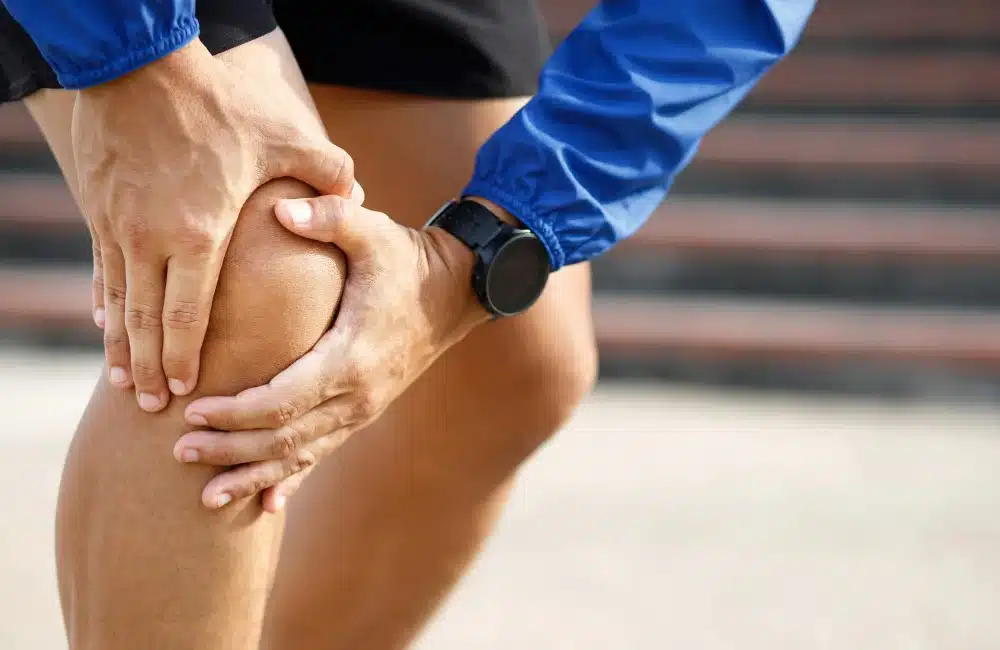
بينما يمكن أن يساعد التمرين مثل ركوب الدراجة على تقليل الأعراض وإبطاء تدهور الركبة إلى حد ما، بالنسبة لمن يعانون من اهتراء كبير في الركبة أو ألم مزمن، قد لا يكون النهج الأحادي كافيًا. في عيادة KLOSS للعافية، نقدم نهجًا شاملاً لإعادة تأهيل الركبة، بدءًا من العلاج الطبيعي باستخدام أجهزة لدعم الحركة وتقليل الإجهاد على الركبة، بالاقتران مع العلاجات الطبية مثل حقن مزلق المفصل أو البلازما الغنية بالصفائح الدموية (PRP) لدعم عملية التعافي الطبيعية في الجسم. ويتم ذلك جنبًا إلى جنب مع تدريب العضلات المناسبة حول الركبة، مما يمكّن المرضى من استعادة الحركة والثقة بشكل أفضل في حياتهم اليومية.
ملخص المقال
يمكن أن يساعد ركوب الدراجة في علاج الفُصال العظمي للركبة. ومع ذلك، فإن ضبط الدراجة بشكل صحيح والمداومة على التمرين أساسيان. سيخف الألم تدريجيًا، وقد تؤجل الحاجة للجراحة لعقود من الزمن. لا تدع الألم يحاصرك. ابدأ الحركة بشكل صحيح اليوم ليصبح لديك ركب أكثر قوة غدًا.
ركوب الدراجة خيار تمرين مناسب للأشخاص المصابين بالفُصال العظمي للركبة. إذا تم ضبط الدراجة بطريقة صحيحة، وكانت المقاومة مناسبة، وحدث استخدام منتظم، يمكن أن يساعد ذلك في تقليل الألم، وتقوية العضلات حول الركبة، وتحسين الحركة اليومية.
ومع ذلك، إذا استمرت جهود العناية الذاتية واستمر ألم الركبة أو تيبسها، فقد يساعد طلب المشورة من الخبراء في تحديد خطة العلاج الأنسب لحالة ركبتك الفردية. في عيادة Kloss، مركز علاج الفُصال العظمي باستخدام العلاج بالخلايا، نركز على الصحة الشاملة، الداخلية والخارجية، مع التركيز على العلاجات الخالية من الأدوية والجراحة. يقدم أطباؤنا ذوو الخبرة وأجهزتنا الحديثة استشارات متخصصة، مما يجعلنا خيارًا موثوقًا لهذه الفئة من المرضى.
الأسئلة الشائعة
كم المدة التي يجب عليك ركوب الدراجة يوميًا لرؤية نتائج علاج الفُصال العظمي للركبة؟
في البداية، يُنصح بركوب الدراجة لمدة 15-20 دقيقة فقط يوميًا، 3-5 أيام في الأسبوع. مع تقوية العضلات، زد تدريجيًا حتى 30-45 دقيقة.
إذا شعرت بألم أو انزعاج في ركبتك أثناء ركوب الدراجة، هل يجب أن تتوقف أم تواصل؟
إذا شعرت بألم حاد أو طعنات أثناء ركوب الدراجة، توقف فورًا وتحقق من ارتفاع المقعد. إذا استمر الألم بعد التعديل، استشر الطبيب أو أخصائي العلاج الطبيعي، فقد يكون هناك التهاب في الجراب أو الوتر تحت الرضفة.
هل دراجة التمارين الثابتة (للاستخدام المنزلي) أفضل من الدراجة العادية؟
للمبتدئين أو كبار السن، تعتبر دراجة التمارين المنزلية أكثر أمانًا لأنك لست بحاجة للقلق بشأن التوازن أو الأسطح غير المستوية أو التوقف المفاجئ. هذا يتيح لك التركيز بالكامل على حركة الركبة ودوران الساق.
المصدر: عيادة Kloss للعافية
Kloss Wellness Clinic
مشاركة هذه المقالة
المزيد من المقالات
اكتشف المزيد من الأفكار حول الرعاية الصحية والسياحة العلاجية.

السياحة الصحية في تايلاند | لماذا يأتي المسافرون لأكثر من مجرد عطلة
عندما يفكر الناس في تايلاند، عادةً ما تتبادر إلى أذهانهم الشواطئ، وطعام الشارع، والمعابد، والحياة المدنية النابضة بالحياة. ولكن في السنوات الأخيرة، حدث تغيير. أصبح المزيد من المسافرين يأتون لهدف مختلف — ليس فقط للاستكشاف، بل لتحسين صحتهم ورفاهيتهم، وتقليل التوتر، والخضوع لفحوصات الصحة الوقائية، أو ببساطة للعناية بأنفسهم بشكل أفضل.

السياحة العلاجية في تايلاند: حيث يُشعرك التعافي وكأنه رحلة العمر
تخيل أن تستيقظ في بانكوك، وتشاهد نهر تشاو فرايا بينما تمر القوارب الطويلة خارج نافذتك. بعد ساعات فقط، تكون قد أكملت فحصاً صحياً شاملاً في مستشفى عالمي المستوى، وراجعت نتائجك، وتستمتع بقهوة مثلجة بجانب مسبح على السطح قبل العشاء في أسياتيك.

الفرق بين "التدليك العام" و"تدليك التشريح والرفاهية"
تدمج جلسة تدليك التشريح والصحة بين الاسترخاء وفهم بنية العضلات وتوازن الجسم. تساعد على تخفيف التوتر وألم العضلات والتصلب، واستعادة الحركة، ومعالجة الأسباب الجذرية للانزعاج. مناسبة للأشخاص الذين يعانون من متلازمة المكتب أو ألم العضلات المزمن.