3 Common Diseases Linked to a High-Salt Diet

Let’s be honest-who here has a habit of adding extra salty seasoning first, because salty equals umami and tastes so good? It’s time to change that behavior! Think twice before adding sauces, fish sauce, or salt. Consuming too much salt doesn’t just lead to kidney disease-it’s also linked to high blood pressure, cardiovascular disease, stomach cancer, and other health problems.
How Much Salt Intake Is Considered “Too Much”?
According to the U.S. Food and Drug Administration (FDA), healthy adults are advised to consume no more than 2,300 milligrams of sodium per day, which is approximately equal to 6 grams of salt (about 1 teaspoon).
Another important factor that many people overlook is hidden sodium. This refers to sodium that is naturally present in various foods—even without adding extra salt or seasoning. These foods may already contain high levels of sodium and can lead to excessive intake without us realizing it.
Hidden sodium is commonly found in processed foods, where salt or sodium is added during production, such as:
- Frozen foods
- Pickled or fermented foods
- Processed meats
- Bread and bakery products
- Soft drinks
Although consuming more sodium than recommended occasionally may not cause immediate harm, regularly exceeding the recommended intake can gradually affect overall health over time. So, what health problems can result from consistently eating too much salt? Let’s find out.

Hypertension (High Blood Pressure)
Research shows that a high-salt diet significantly increases blood pressure, while reducing salt intake can help lower it.
According to two large-scale studies, reducing salt intake by 4.4 grams per day may lower:
- Systolic blood pressure by about 4.18 mmHg
- Diastolic blood pressure by about 2.06 mmHg
The effect is even more pronounced in individuals who already have hypertension, compared to those with normal blood pressure.
Additionally, people with obesity and older adults are more sensitive to salt intake and are more likely to experience a greater increase in blood pressure from consuming salty foods compared to the general population.
Stomach Cancer
Studies have found a link between high-salt diets and an increased risk of stomach cancer.
One study suggests that individuals who consume high amounts of salt may have up to twice the risk of developing stomach cancer compared to those with lower salt intake. However, the study does not clearly define what level of salt consumption is considered “high” or “low.”
Although the exact mechanism is not fully understood, experts believe that consuming salty foods may:
- Cause damage to the stomach lining
- Lead to gastric inflammation or ulcers
These conditions may increase the risk of developing stomach cancer over time.

Heart Disease and Premature Death
As mentioned earlier, some studies suggest that high salt intake increases blood pressure, which can lead to arterial stiffness. This condition raises the risk of heart disease and contributes to premature death.
A long-term study spanning 20 years found that:
- Participants who consumed less than 5.8 grams of salt per day had the lowest mortality rate
- Those who consumed more than 15 grams per day had the highest mortality rate
However, some studies have found no significant increase in heart disease risk associated with high salt intake. These differences may be due to variations in individual health conditions, body characteristics, and study populations.
This suggests that excessive salt consumption may affect people differently, depending on individual factors.
Tips to Prevent Excess Sodium Intake
The best way to reduce sodium in the body is to limit sodium consumption and maintain a balanced diet, as follows:
- Reduce foods high in hidden sodium
Such as processed foods, processed meats, bakery items, snacks, chips, and soft drinks
- Choose low-sodium seasonings
Nowadays, there are many alternatives available, such as low-sodium fish sauce or seasonings with up to 50% less sodium
- Eat freshly prepared meals
This helps reduce excess sodium intake from frozen, processed, and ready-to-eat foods
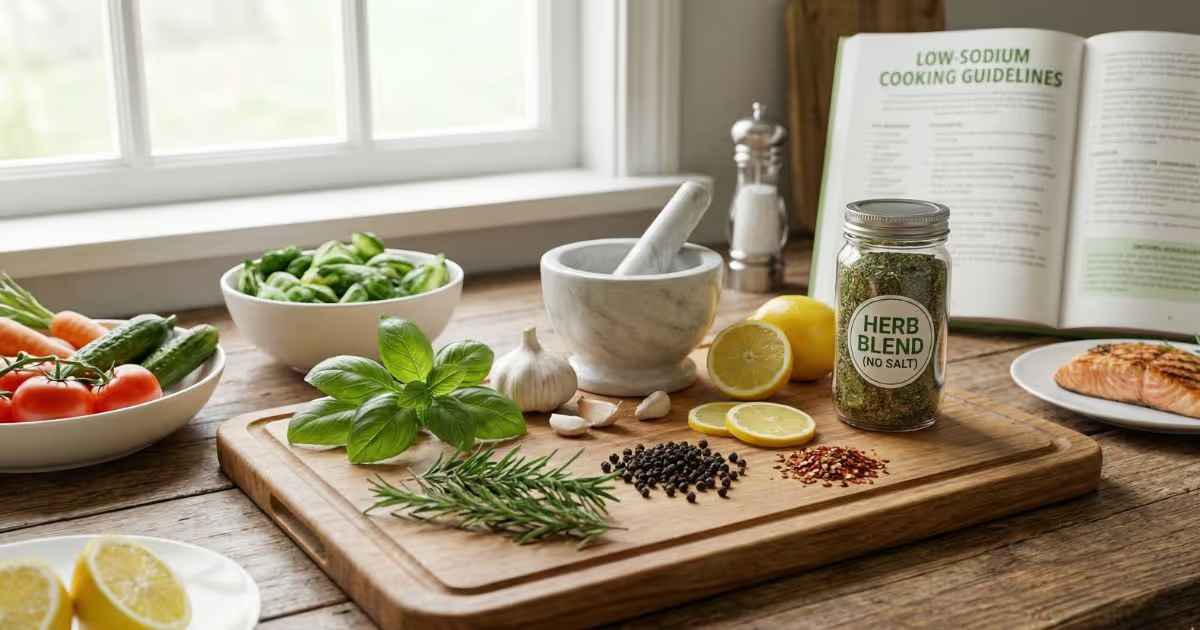
- Use alternatives to salt
Such as herbs, spices, and lime juice to enhance flavor instead of adding salt or fish sauce
Summary
Excessive salt intake is clearly harmful to health. Controlling sodium consumption can significantly reduce the risk of chronic non-communicable diseases (NCDs) that often accompany our favorite salty flavors.
Source : MedPark Hospital
**Translated and compiled by ArokaGO Content Team
Independent Writer
Share this article
More Articles
Discover more insights on health care and medical tourism.

5 Habits of Modern Women That May Unconsciously Harm Their Health
Modern women in 2026 are true "Wonder Women"excelling at work, living life to the fullest, and taking great care of themselves. But amidst the rush and societal expectations, some habits we’ve grown used to might be silently "billing" our long-term health. Let’s check if you’re falling into any of these common traps.

Genetic Disorders: Common Inherited Conditions You Should Know
genetic disorders, inherited diseases, Down syndrome risk, color blindness symptoms, thalassemia screening, leukemia causes, genetic conditions

Childhood Obesity
Childhood obesity, often seen by parents as “cute chubbiness,” can actually lead to serious health problems. These include high cholesterol, diabetes, high blood pressure, snoring, irregular menstruation, and even psychological issues such as low self-esteem or being teased by peers.