8 Causes of Male Pattern Baldness!!

8 Causes of Male Pattern Baldness
Hair loss and baldness are common concerns among men. While some hair loss is a natural part of aging, several underlying factors may contribute to excessive hair thinning or baldness.
1. Genetics
Hair loss caused by genetic factors is the most common type and is usually permanent. In the early stages, hair becomes thinner and falls out easily. Newly grown hair becomes weaker, leading to visible thinning of the scalp. Over time, the affected areas widen and hair follicles shrink, eventually causing hereditary baldness.
2. Thyroid Disorders
When the thyroid gland produces insufficient thyroid hormones, the body's metabolism slows down. This hormonal imbalance can affect various body functions, including hair growth, and may cause hair loss not only on the scalp but also on other parts of the body.
3. Aging
As men age, blood circulation to the scalp decreases. Hair follicles become less active and scalp cells gradually deteriorate. This causes hair follicles to shrink, leading to shorter, thinner hair compared to during younger years.
4. Testosterone and DHT
Testosterone, produced mainly in the testes and prostate, can be converted into dihydrotestosterone (DHT). DHT affects hair follicles by weakening them, causing hair to become thinner and fall out more easily. It also slows down the growth of new hair.
5. Medications and Radiation
Certain medications can lead to hair loss, including chemotherapy drugs, blood-thinning medications, blood pressure medications, hormonal drugs, thyroid medications, and anti-seizure medications. Hair loss caused by medication is often temporary and may stop once the medication is discontinued. Radiation therapy and chemotherapy for cancer are also major causes of hair loss.
6. Stress
Stress can lead to hair loss in two main forms:
Telogen Effluvium
Severe stress can push hair follicles into the resting phase prematurely, causing hair shedding within 2-3 months. Hair usually begins to grow back normally within 6-9 months.
Alopecia Areata
This is a more severe stress-related condition where the immune system attacks hair follicles, causing sudden hair loss in small circular patches that may gradually expand. In many cases, hair can grow back, although medical consultation may be necessary.
7. Medical Conditions
Certain diseases can also cause hair loss, including scalp fungal infections, thyroid disorders, autoimmune diseases, syphilis, and kidney disease.
8. Nutritional Deficiency
Lack of essential nutrients such as vitamin B complex, protein, and other key nutrients can cause hair thinning, brittle hair, and hair loss. These nutrients are essential for healthy hair growth. Additionally, excessive intake of vitamin A may also slow hair growth and contribute to hair loss.
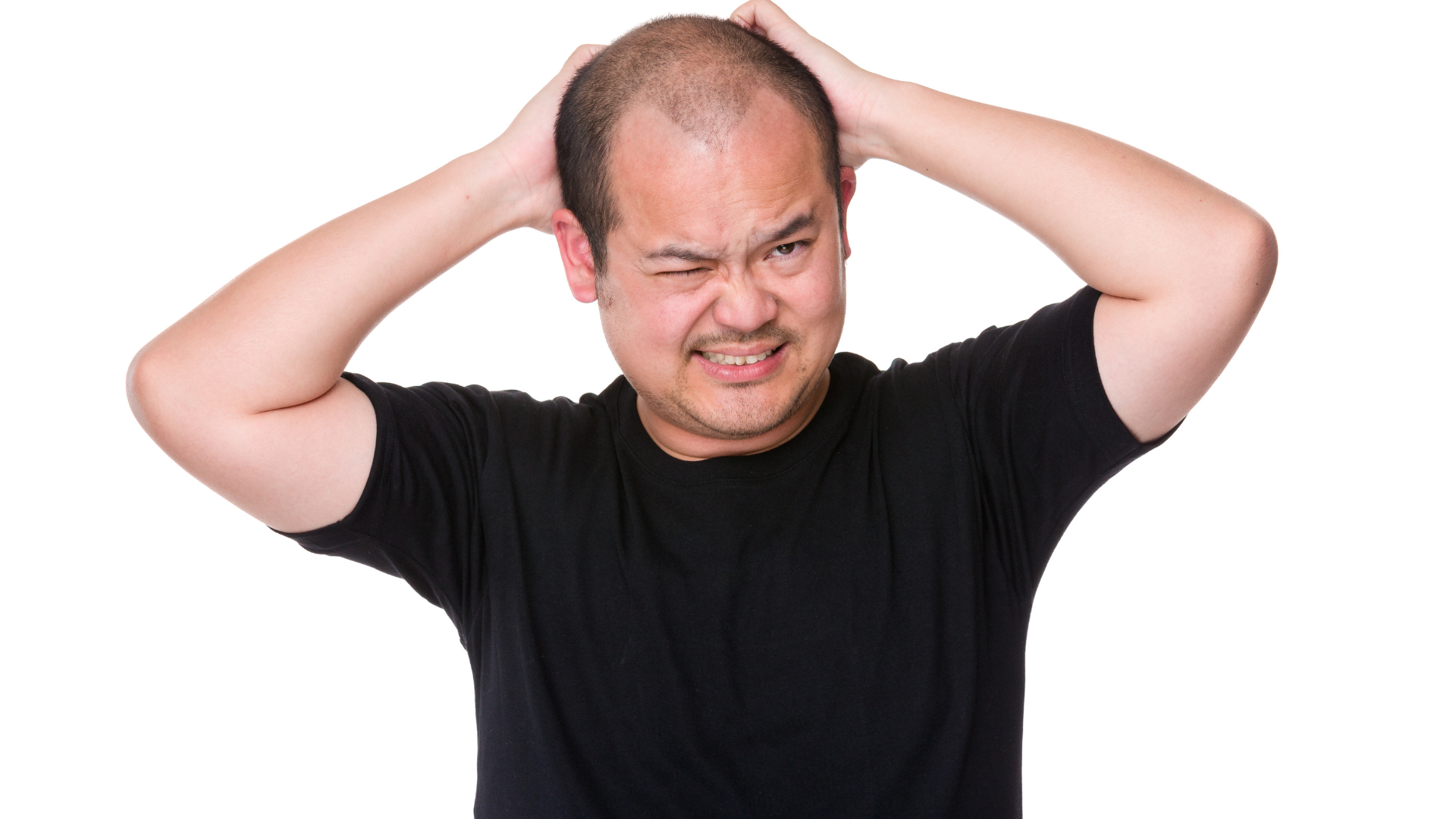
source : M CLINIC
**Translated and compiled by ArokaGO Content Team
Independent Writer
Share this article
More Articles
Discover more insights on health care and medical tourism.

Cerebral Ischemia: Stop the Risk of Chronic Cerebral Ischemia with Cerebral Revascularization Surgery
Stroke is considered one of the major causes of permanent disability and death, especially among middle-aged and elderly groups. However, this disease is not limited to the elderly only, as certain cerebrovascular abnormalities can be found from childhood, such as Moyamoya disease, which is a condition where the cerebral arteries gradually narrow or become blocked, usually occurring at the base of the brain. This results in insufficient blood supply to the brain and may lead to chronic cerebral ischemia or unexpected acute stroke symptoms.

Influenza
Influenza, commonly known as the flu, is a contagious disease that occurs every year. It is caused by the influenza virus, which spreads through respiratory droplets such as nasal mucus, saliva, or sputum when an infected person coughs, sneezes, or breathes close to others.

Symptoms of loose knees, swollen knees, and knee noises in young people know the causes and appropriate treatment methods.
Knee problems are not only an issue for the elderly. Nowadays, many young people are starting to experience symptoms of knee instability, knee swelling, and knee noises, which affect daily life and exercise activities. If you are experiencing these problems, understanding the causes and finding the correct treatment methods will help you take care of yourself and prevent the condition from worsening.