Children's Eye Problems: Causes, Symptoms, and Treatment

Understanding Children's Eye Problems
Children can experience a variety of eye conditions that may impact their vision and overall development. Early detection and treatment are essential to prevent long-term complications. At Bangkok Eye Hospital, our pediatric ophthalmologists specialize in diagnosing and managing eye problems in children to ensure healthy vision.
Common Eye Problems in Children
What Are the Most Frequent Eye Conditions in Kids?
-
Refractive Errors (Myopia, Hyperopia, Astigmatism) – Blurred vision due to improper light focusing.
-
Amblyopia (Lazy Eye) – Poor vision development in one eye.
-
Strabismus (Crossed Eyes) – Misalignment of the eyes affecting focus.
-
Conjunctivitis (Pink Eye) – Inflammation of the eye’s outer layer, often caused by infections.
-
Blocked Tear Ducts – Leading to excessive tearing and eye discharge.
-
Ptosis (Drooping Eyelid) – Can interfere with vision if left untreated.
-
Eye Allergies – Causing redness, itching, and discomfort.
Who Is at Risk?
-
Children with a family history of eye conditions.
-
Premature babies who may have vision development issues.
-
Kids who spend excessive time on digital screens.
-
Those with frequent eye infections or allergies.
Symptoms of Eye Problems in Children
-
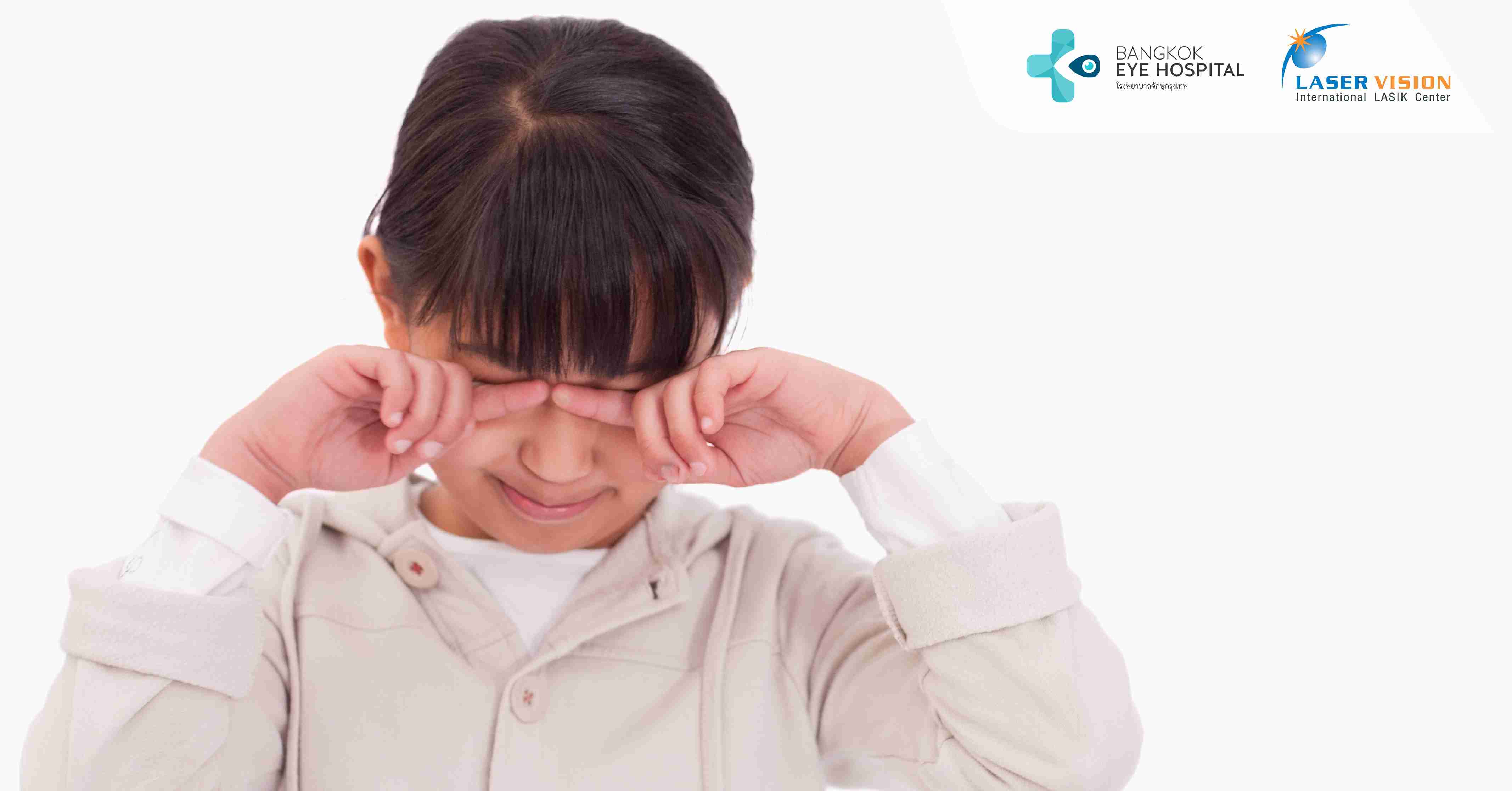
Frequent eye rubbing or blinking.
-
Squinting or closing one eye to see better.
-
Holding books or screens too close.
-
Misaligned or crossed eyes.
-
Watery, red, or swollen eyes.
-
Complaints of headaches or eye strain.
Diagnosis and Treatment Options
How Are Children's Eye Problems Diagnosed?
-
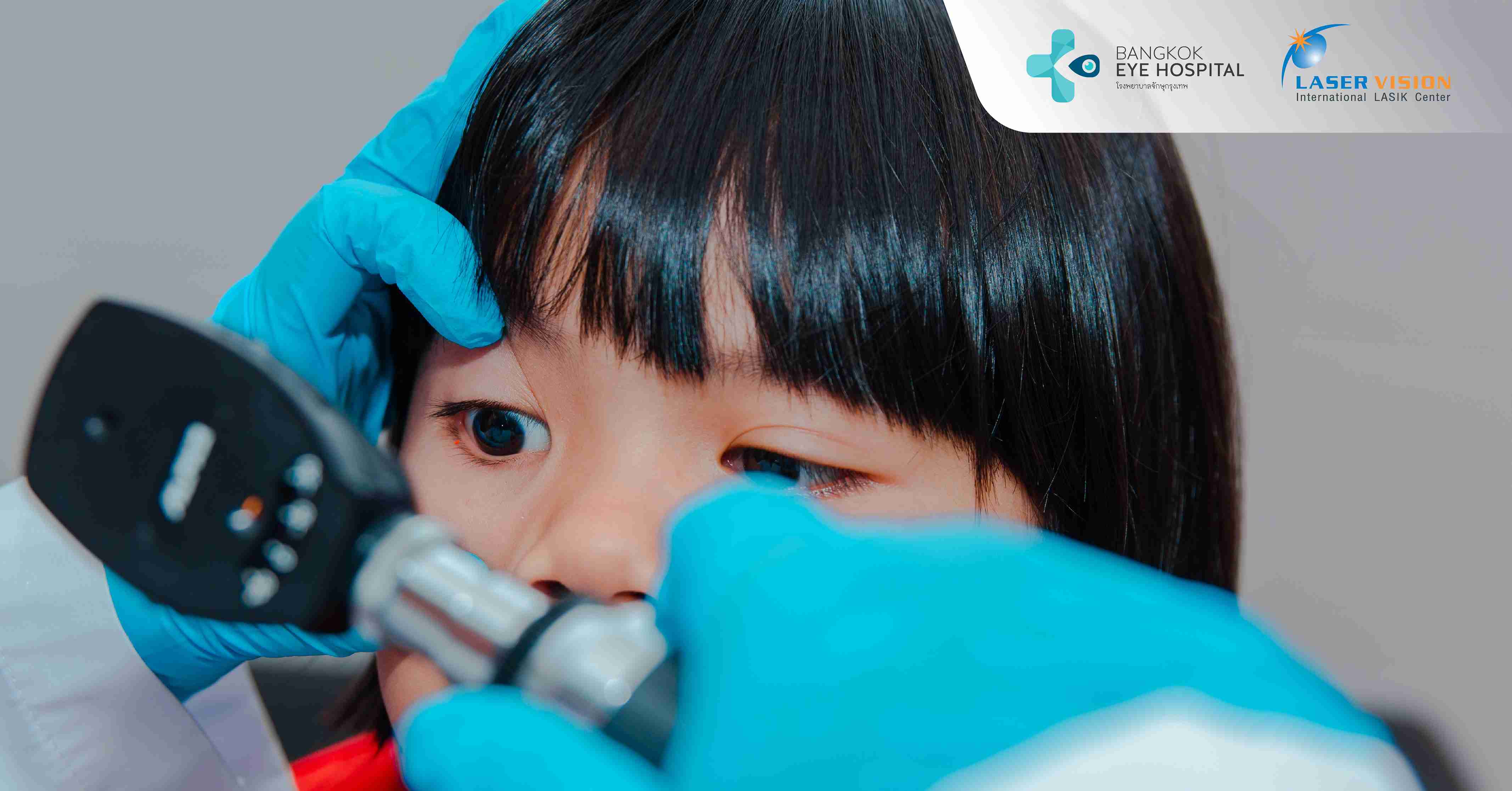
Comprehensive Eye Exams – Conducted by pediatric ophthalmologists.
-
Visual Acuity Tests – Assessing clarity of vision.
-
Eye Alignment and Movement Tests – Checking for strabismus or coordination issues.
-
Refraction Tests – Identifying refractive errors needing glasses.
Treatment for Children's Eye Conditions
-
Prescription Glasses – Correcting myopia, hyperopia, or astigmatism.
-
Patching Therapy – Used for amblyopia to strengthen the weaker eye.
-
Eye Drops or Medications – Treating infections and allergies.
-
Surgery (if needed) – For severe cases of ptosis or blocked tear ducts.
-
Vision Therapy – Exercises for improving eye coordination and focus.
Preventing Eye Problems in Children
-
Encourage regular eye checkups to catch issues early.
-
Limit screen time to reduce digital eye strain.
-
Ensure proper lighting when reading or using devices.
-
Teach good eye hygiene to prevent infections.
-
Provide a balanced diet rich in eye-healthy nutrients.
Why Choose Bangkok Eye Hospital for Pediatric Eye Care?
-
Experienced Pediatric Ophthalmologists specializing in children's vision.
-
Advanced Diagnostic Technology for accurate assessments.
-
Customized Treatment Plans tailored to each child's needs.
-
Child-Friendly Environment ensuring comfort during exams.
Schedule an Appointment Today
If you suspect your child has an eye problem, contact Bangkok Eye Hospital for expert diagnosis and care.
Source: Bangkok Eye Hospital
Bangkok Eye Hospital
Share this article
More Articles
Discover more insights on health care and medical tourism.

Songkran Warning: How to Prevent and Handle “Shoe Suction” Injuries During Water Festival Celebrations
As Thailand celebrates Songkran, many festival-goers are enjoying water splashing in the streets, but one surprisingly common issue keeps returning every year, the so-called “shoe suction” problem, when wet slip-on sandals or rubber shoes become stuck tightly to the foot or ankle after prolonged exposure to water.

Office Syndrome: A Common Health Problem Among Modern Workers
In an era when working in front of a computer has become part of everyday life, Office Syndrome has emerged as one of the most common health concerns among working-age adults.

Urine does not flow, cannot hold urine
Urine does not flow, cannot hold urine, check urgently before it becomes an enlarged prostate or BPH (Benign Prostate Hyperplasia).