Deep Nasolabial Folds Can Make You Look Older Than Your Age

Deep Nasolabial Folds Can Make You Look Older Than Your Age: What Can Be Done?
Because the nasolabial fold is located in the mid-face area, it is one of the most noticeable features when we look in the mirror or interact with others in daily life. It becomes especially apparent when we smile or make facial expressions, as several muscles in the central face contract and lift the corners of the mouth and cheeks, making the folds appear more prominent.
When the nasolabial folds become deeper, the face may look older than its actual age. As we get older, the skin and soft tissues around the under-eye area and upper cheeks gradually lose firmness and begin to sag, which further deepens the folds. This process is often associated with midface aging.
Before choosing the right treatment, it is important to understand what causes deep nasolabial folds in the first place.
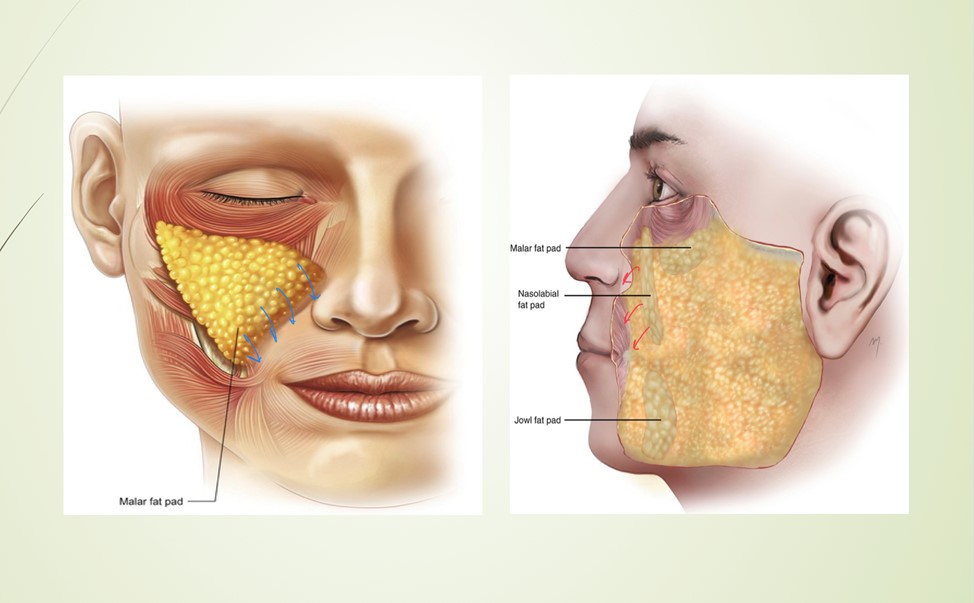
What Causes Deep Nasolabial Folds?
1. Congenital Structure
In some individuals, deep nasolabial folds are present from a young age. This may be caused by naturally strong facial retaining ligaments, particularly the bucco-maxillary ligament, which anchors the soft tissue to the underlying bone and pulls the skin inward, creating a visible groove. In these cases, the fold near the side of the nose may already appear deep and well-defined since childhood.
2. Excess Fat Accumulation Beneath the Skin
A large amount of subcutaneous or superficial fat above the nasolabial fold, especially in the nasolabial fat compartment, can make the area appear more raised. This is often associated with overall weight gain or obesity. As the tissue above the fold becomes fuller, the original crease becomes more obvious.
3. Sagging of the Cheek and Under-Eye Tissues
Another major cause is the gradual descent of the soft tissue in the cheek and under-eye area, commonly referred to as midface aging. This occurs when important facial retaining ligaments, which normally support the upper cheek against gravity, begin to loosen. These include the zygomatic ligament and the upper masseteric ligament.
The weakening of these structures may be related to several factors, such as:
๐ Increasing age, which affects both the quantity and quality of collagen and connective tissue
๐ Chronic stress
๐ Habitual sleep deprivation
๐ Inadequate protein intake, which can reduce collagen formation and weaken supportive tissues
4. Abnormalities of the Midface Bone Structure
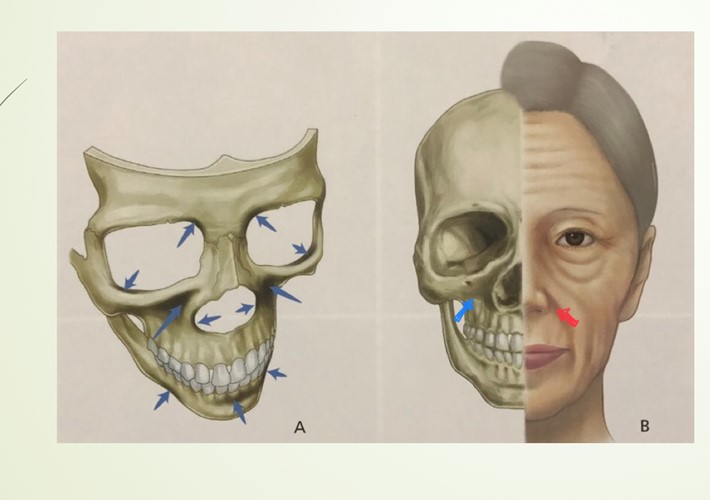
Changes in the cheekbone or surrounding facial skeleton can also contribute to deep folds. These abnormalities may result from previous surgery, trauma, or age-related structural changes in the facial bones, including skeletal rotation over time.
How Can Deep Nasolabial Folds Be Treated?
Treatment should be selected based on the underlying cause, the depth of the folds, and the patient’s expectations. There is no single method that suits everyone.
1. Dermal Fillers
Injection with hyaluronic acid filler or fat grafting may be suitable for younger patients or those with mild to moderate fold depth. This approach helps restore lost volume and soften the appearance of the crease.
2. Reducing Excess Fat Above the Fold
If fullness above the nasolabial fold is contributing to the problem, reducing the volume in this area may help improve facial balance. This can be done in two main ways, depending on the case:
๐ Meso lipolytic injections, which may require repeated sessions at approximately two-week intervals for more noticeable results
๐Liposculpture, which may be preferred by patients who want a more immediate and clearly visible result
3. Paranasal Augmentation Surgery
Paranasal augmentation surgery is another option for improving deep nasolabial folds, especially when structural support is lacking. Different materials may be used depending on the patient’s needs and the surgeon’s recommendation, including:
๐ Autologous tissue, such as rib cartilage
๐ Medical implants, such as medical-grade silicone, Medpor, or PCL
This procedure can generally be performed through two approaches:
๐ Intranasal approach
๐ Intraoral approach
4. Midface Lifting Surgery
For patients with more significant cheek sagging, midface lifting may be more appropriate. This surgery is designed to reposition the descended midface tissues and reduce the appearance of deep folds caused by aging.
Several techniques may be used, including:
๐ Surgery through a lower eyelid incision, either via a subciliary approach or transconjunctival approach, depending on the indication
๐ Surgery through a temporal approach, sometimes combined with an intraoral approach
๐ More extensive facelift techniques such as Extended Deep Plane Facelift or High SMAS Facelift, which are suitable for patients who also want correction of other aging concerns such as drooping mouth corners, jowls, or neck laxity
5. Combination Treatment
In many cases, deep nasolabial folds are caused by several factors at the same time. For this reason, combining multiple treatment methods may provide the best and most natural-looking result.
How to Choose the Right Treatment
The most appropriate treatment plan should be based on:
๐ The underlying cause of the nasolabial fold
๐ The degree of fold depth
๐ The patient’s preferences and readiness, including budget and recovery time
Prevention for Those Who Have No or Minimal Nasolabial Folds
For people who do not yet have deep folds, or only have mild signs, preventive care may help delay progression. General recommendations include maintaining good overall health, avoiding chronic sleep deprivation, reducing stress, and consuming enough protein to support collagen and connective tissue.
It is also important to avoid excessive weight gain, which can lead to more fat accumulation in the nasolabial area. In addition, regular facial care treatments such as facial massage, HIFU, radiofrequency, or thread lifting may be considered depending on individual preference.
Conclusion
Deep nasolabial folds can develop for many different reasons, including congenital anatomy, fat distribution, soft tissue sagging, and changes in facial bone structure. Because each case is different, treatment should be individualized and based on a careful assessment of the true cause. With the right approach, it is possible to achieve a more youthful, balanced, and refreshed appearance.
source :
ArokaGO Providers Dr.Gorn Aesthetique
**Translated and compiled by ArokaGO Content Team
Independent Writer
Share this article
More Articles
Discover more insights on health care and medical tourism.

“Monkeypox” Currently Spreading in Thailand: A Thai Traditional Medicine Perspective
In today’s world, where we continue to face the spread of emerging and re-emerging infectious diseases such as monkeypox, understanding diseases through multiple perspectives can help us respond more comprehensively. Although classical Thai traditional medical texts do not directly describe “viruses,” as this body of knowledge was developed before the scientific discovery of microorganisms, the symptoms and characteristics of this disease can still be meaningfully interpreted through ancient Thai medical theory.

Wellness Tourism in Thailand | Why Travelers Come for More Than a Holiday
When people think about Thailand, beaches, street food, temples, and vibrant city life usually come to mind. But in recent years, something has changed. More travelers are arriving with a different purpose — not only to explore, but to improve their wellbeing, reduce stress, undergo preventive health screening, or simply take better care of themselves.

Medical Tourism in Thailand: Where Getting Well Feels Like the Trip of a Lifetime
Imagine waking up in Bangkok, overlooking the Chao Phraya River as long-tail boats drift past your window. Hours later, you've completed a full health screening at a world-class hospital, reviewed your results, and are enjoying iced coffee by a rooftop pool before dinner at Asiatique.