Gout and Rheumatoid Arthritis Did you know they’re different?
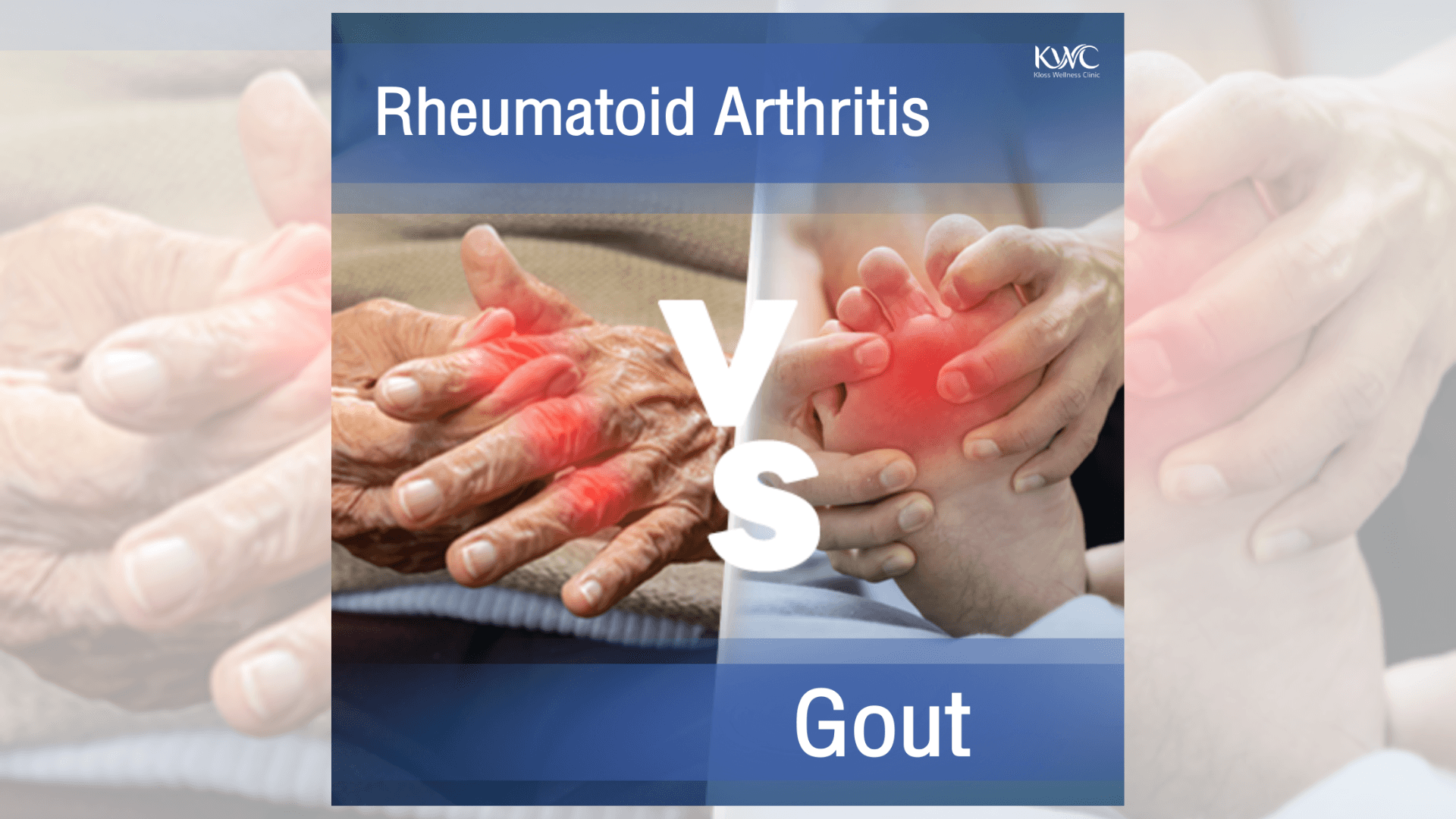
Although both gout and rheumatoid arthritis cause joint inflammation, their causes and treatments are very different. Many people still confuse the two. Today Kloss will help you get to know both conditions so you can check which symptoms match yours.
Gout
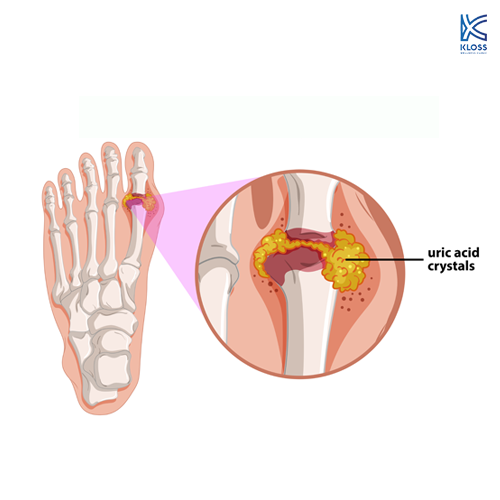
Gout is caused by a buildup of uric acid, which triggers inflammation, pain, swelling and redness. It typically affects larger joints such as the big toe, ankle, knee, wrist and elbow.
 Common contributing factors
- Diet: foods and drinks that increase uric acid especially alcohol (beer in particular), red meat, organ meats and seafood.
- Genetics: a family history of gout.
- Underlying conditions: high blood pressure, diabetes and obesity.
Symptoms of gout
1. Severe joint pain: pain usually starts suddenly and is often intense, especially at night.
2. Swelling and redness: the affected joint becomes swollen, red and warm to the touch.
3. Limited movement: pain and swelling make joint movement difficult.
4. Recurrent attacks: gout often recurs; it may affect only one side at a time but can occur in multiple joints.
Rheumatoid arthritis (RA)
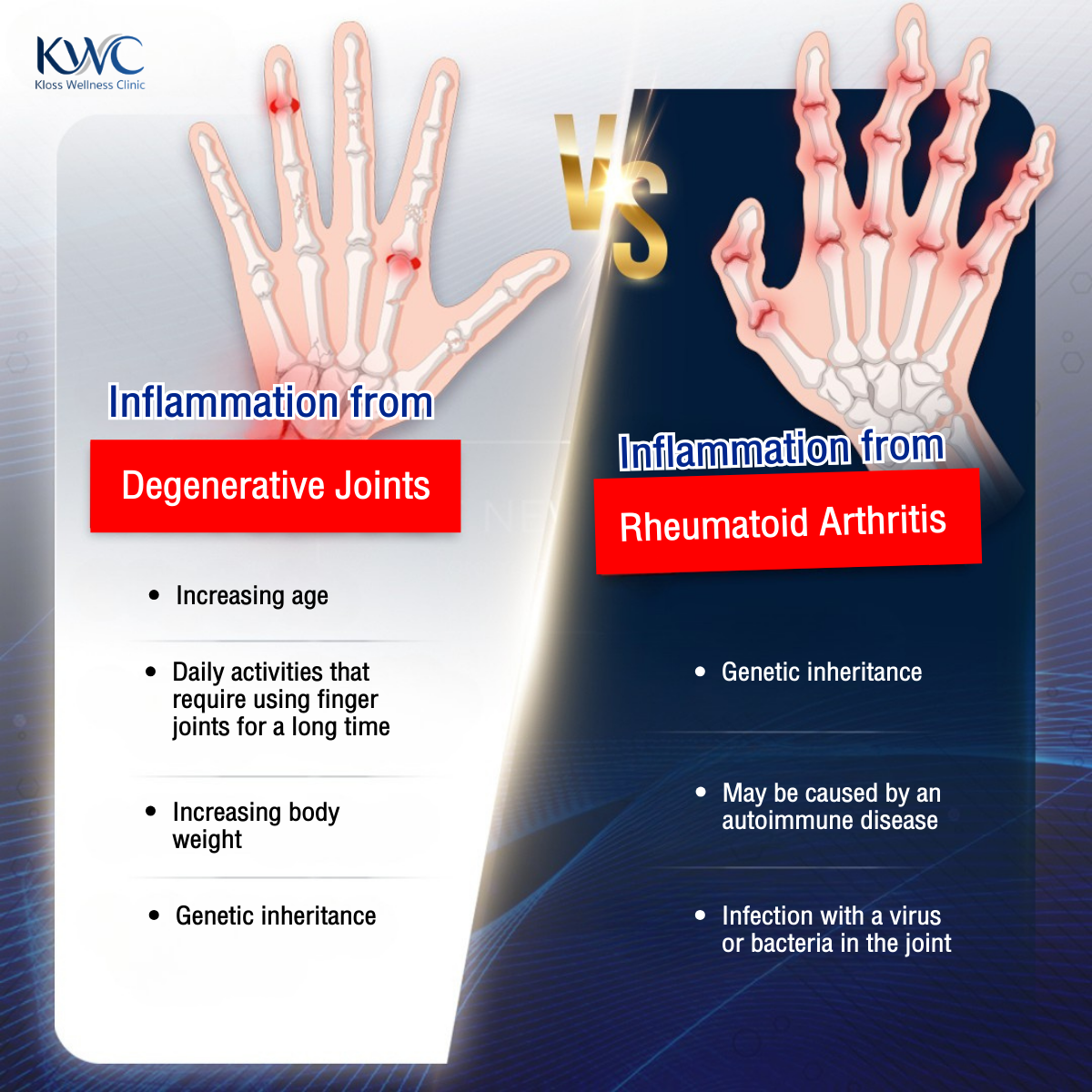
Rheumatoid arthritis is a chronic inflammatory disease in which the immune system mistakenly attacks the joints and surrounding tissues. This causes inflammation, pain, swelling and can lead to permanent joint damage. RA is not limited to joints it can cause inflammation in other parts of the body such as the skin, the conjunctiva (the membrane covering the white of the eye), the pleura (lining of the lungs) or the pericardium (lining of the heart). RA is more common in women than men and often begins in middle age.
Causes of rheumatoid arthritis
- Autoimmune dysfunction: the immune system attacks joint tissues for reasons that are not fully understood.
- Genetics: a family history of rheumatoid arthritis.
- Environmental triggers: certain infections or environmental factors may trigger the disease.
Symptoms of rheumatoid arthritis
1. Joint pain: usually accompanied by morning stiffness that can last for a long time.
2.Joint swelling: affected joints become swollen and inflamed.
3. Reduced mobility: pain and inflammation restrict joint movement.
4. Systemic symptoms: fatigue, low-grade fever and weight loss may occur.
Because symptoms of these two diseases can be very similar, if you begin to experience any of these signs we recommend getting checked so the true cause can be identified and treatment can be targeted appropriately. You can also contact Kloss Wellness Clinic for a consultation we’re happy to advise you and help you choose the best option for your health.
Care provided by an orthopedic physician specializing in knee treatment.
Quality… the choice is yours.
- Treatment overseen by a specialist orthopedic surgeon.
- Doctors analyze problems carefully and pay attention to every detail to deliver the best results.
- Safe treatment using internationally standardized equipment.
- Service delivered with “quality, honesty and responsibility.”
To book a consultation at Kloss Wellness Clinic (all 3 branches):
Seri Thai Branch: 099-265-2495
Muang Thong Thani Branch: 099-246-3691
Bangna Branch: 094-559-4939
LINE ID: @kimc289
Note: Translated and compiled by ArokaGO Medical Content Team.
Kloss Wellness Clinic
Share this article
More Articles
Discover more insights on health care and medical tourism.

Check Now!! Early Pregnancy Symptoms in the First 1–2 Weeks
The symptoms indicating pregnancy can vary from one expectant mother to another. During the first week, some women may experience no noticeable signs or morning sickness at all and may not even realize they are pregnant. On the other hand, some may experience morning sickness or other symptoms continuously for a period of time. Therefore, identifying early pregnancy symptoms is not always easy. However, medically, there are certain signs the body may show that can suggest early pregnancy during the first 1-2 weeks, helping women prepare for becoming new mothers.

Hypoglycemia (Low Blood Sugar)
It is a condition in which blood glucose levels fall below 70 mg/dL and can occur in both people with diabetes and the general population.

How long does a dental implant procedure take?
The duration of a dental implant procedure depends on several factors, such as the implant location, the condition of the jawbone, and the surgical technique used.In cases where a patient has recently lost a tooth and has sufficient bone density, the treatment typically takes around 3 months. In some situations such as front teeth that require aesthetic considerations or cases involving multiple implants a temporary prosthetic tooth can be placed immediately after implantation.